
 English
 中文简体
中文简体


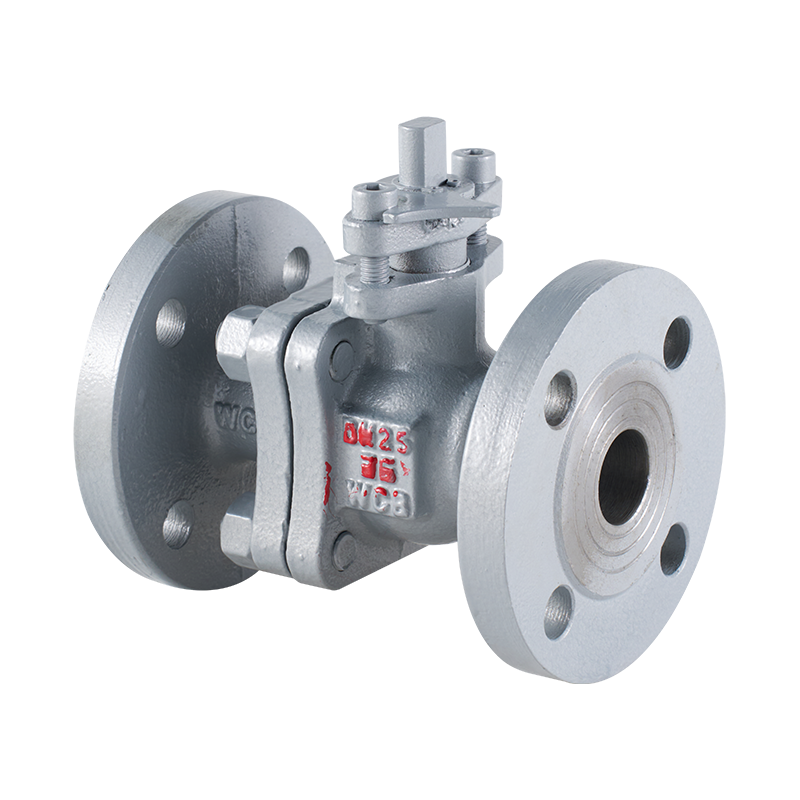
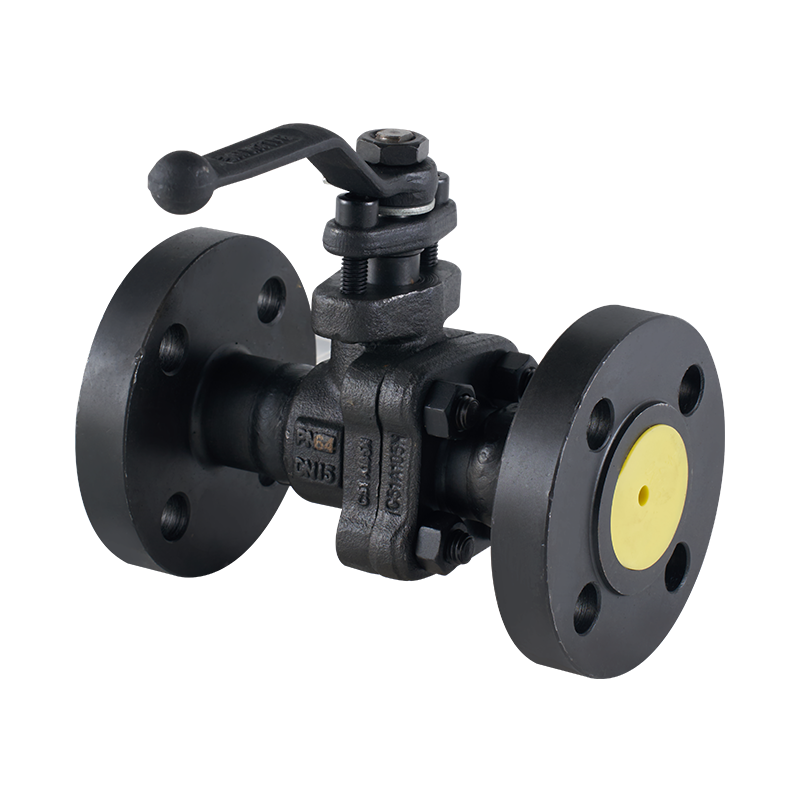
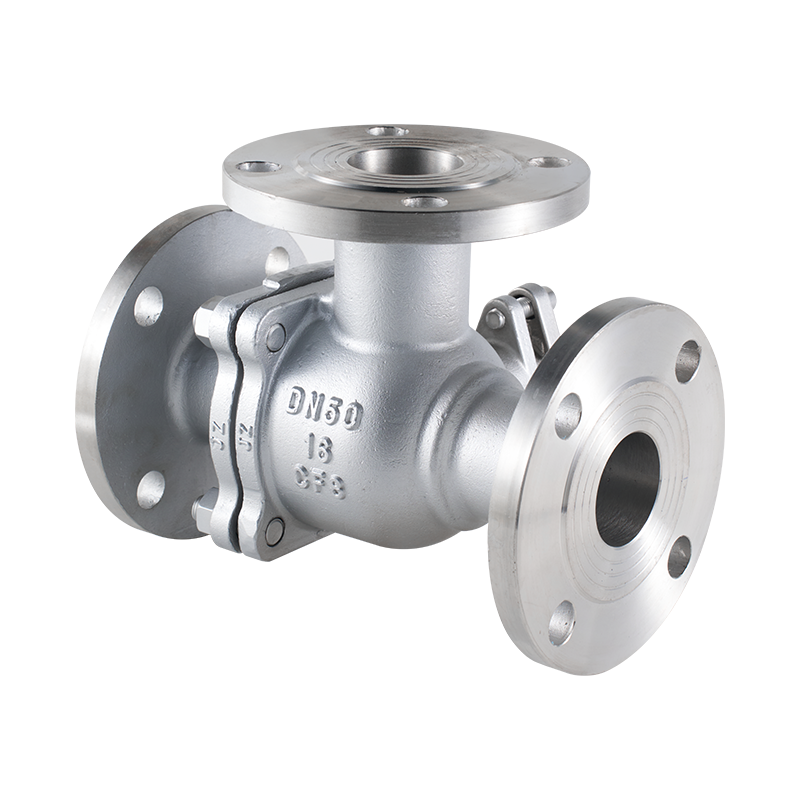
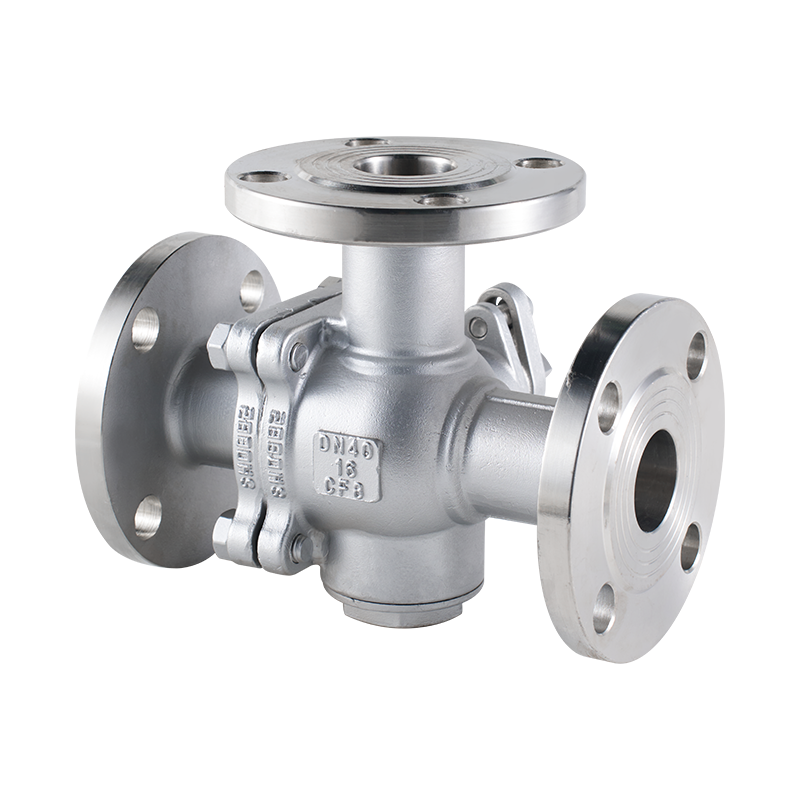
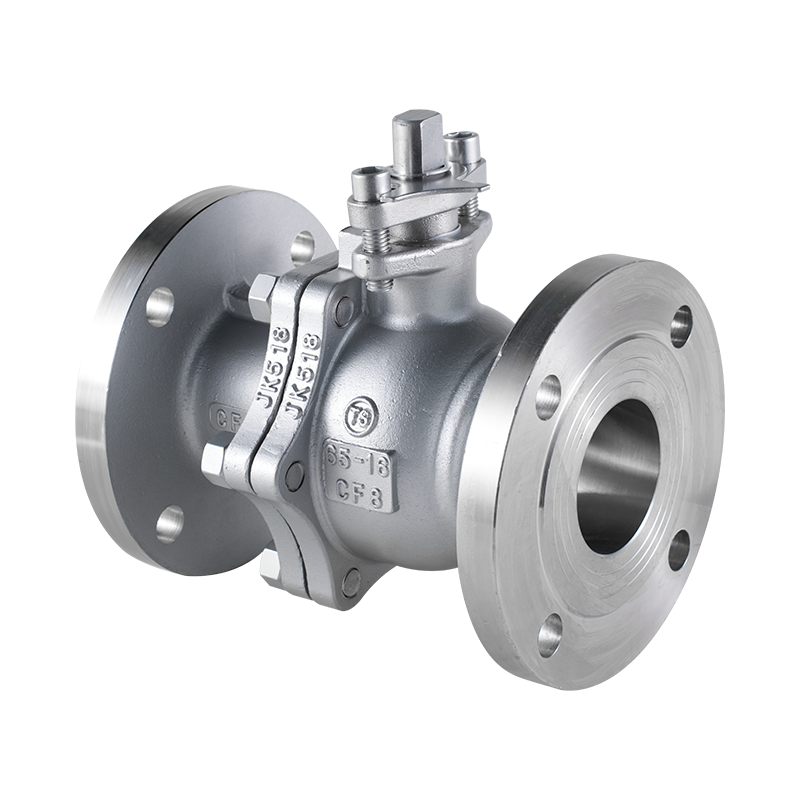
Flow control questions are among the primary hurdles engineers and maintenance teams face when evaluating a Stainless Steel Ball Valve or any Industrial Ball Valve solution. Users commonly ask which fluids and gases can safely pass through these valves without damaging performance or reducing service life. Since ball valves are used across fabrication plants, chemical pipelines, and processing systems, this topic is worth a dedicated look.
Liquids: From Water to Chemicals
Ball valves generally excel at handling liquids due to their quarter-turn design and effective sealing capability. The smooth internal bore also minimizes flow resistance:
- Water & Wastewater: Clean water and industrial water systems are the easiest flows for valves. Stainless steel versions resist rust and maintain tight seals in wet environments.
- Oils & Fuels: These fluids are commonly controlled with ball valves in process plants. Pressure ratings and seal materials must match fluid viscosity and pressure to prevent leakage.
- Corrosive Chemicals: Aggressive acids, bases, and solvents can pass through a valve, but only when the body material and internal seals are compatible with their chemistry. For corrosive fluids, materials with enhanced chemical resistance are often needed.
Proper media compatibility assessment protects valves from premature wear or corrosion, and helps avoid operational failures.
Gases: Tight Shutoff Required
Secondly, many pipelines carry compressed gases. Users often ask whether ball valves can handle gas flows without leakage or pressure loss. The answer hinges on seal quality and body material:
- Natural Gas & Propane: Ball valves can provide bubble-tight shutoff, preventing gas leaks that could impact safety or efficiency.
- Compressed Air: Industrial facilities use ball valves to isolate pneumatic systems, and stainless steel versions offer durability in higher-pressure environments.
- Steam Lines: Steam demands special attention due to high temperatures; hardened seats and high-temperature seals may be necessary to prevent soft materials from failing.
Selecting the right valve with suitable gas-rated seals and proper certification is key for any gas application.
Slurries & Semi-Solids: Special Considerations
Not all media flow easily. Thick slurries or semi-solid wastes present challenges, yet they can still be controlled with an Industrial Ball Valve:
- Abrasive Slurries: These contain particles that can wear down seats and seals rapidly. Metal seats or hardened options help resist abrasion.
- Sanitary Fluids: For food and beverage applications with viscous materials, sanitary ball valves with cavity-filled seats prevent residue buildup and facilitate cleaning compliance.
Correct valve sizing and internal finishes help manage thick flows without frequent maintenance issues.
Media Compatibility: Key Selection Questions
Experts recommend asking the following before spec’ing a ball valve:
- What is the physical state of the medium? Liquid, gas, or semi-solid all affect material choice and seal type.
- Is the fluid corrosive or reactive? Corrosive chemicals may require specific alloys beyond basic stainless steel.
- Are there particulates? Abrasive flows benefit from hardened seats and robust body designs.
- What temperatures and pressures will it see? High temperatures and pressures narrow material and seal options.
Documentation like chemical resistance charts and flow coefficient (Cv) guides is invaluable in this step.
Practical Tips for Field Success
Always review material charts before finalizing a valve purchase; incompatibility can cause leaks or accelerated wear.
Confirm pressure and temperature ratings match your system’s worst conditions. Low ratings can mean frequent replacements.
Consider automated options for media that demands quick or frequent actuation. Manual valves are fine for isolation tasks but not high-cycle environments.
Wrapping Up
Ball valves aren’t one-size-fits-all, but their versatility makes them suitable for a broad range of media types when selected correctly. Whether controlling water, gases, or more viscous fluids, understanding media behavior and valve material compatibility is crucial. By clarifying what media will flow through your Stainless Steel Ball Valve or Industrial Ball Valve, you can optimize performance, minimize downtime, and achieve safer operation for your systems.