
 English
 中文简体
中文简体

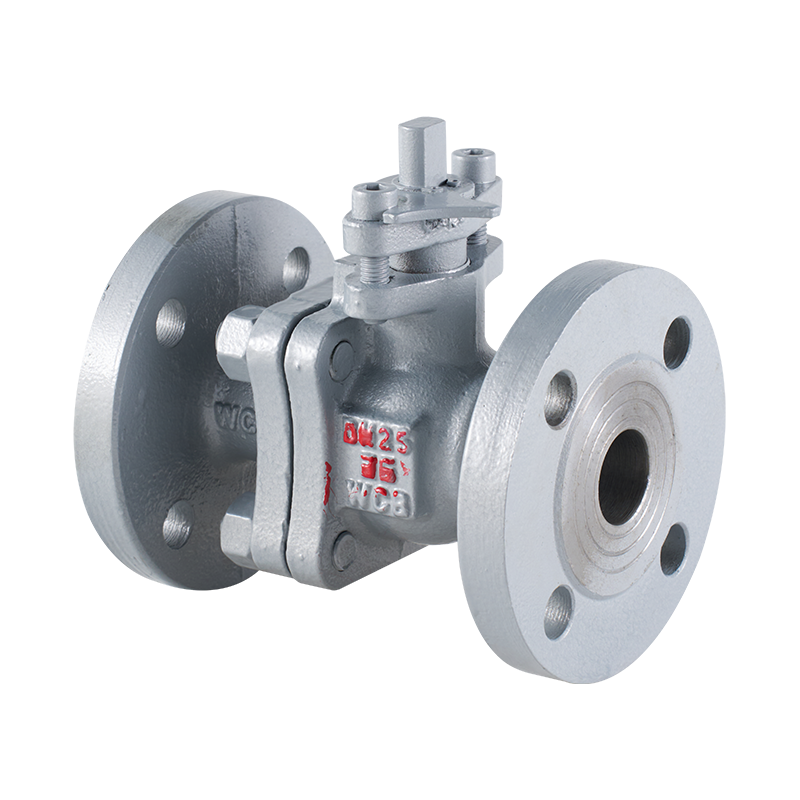
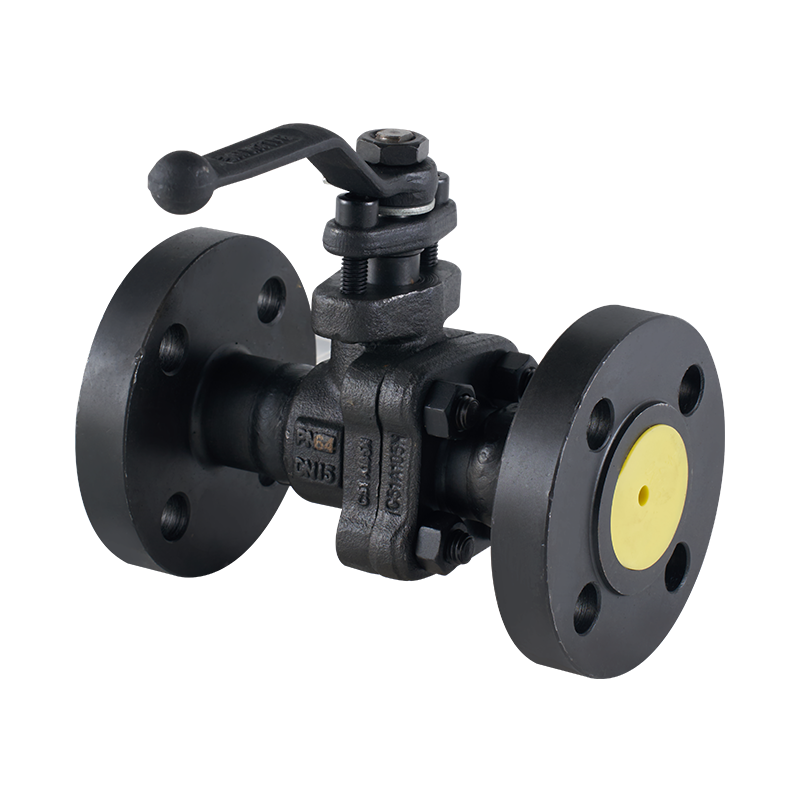
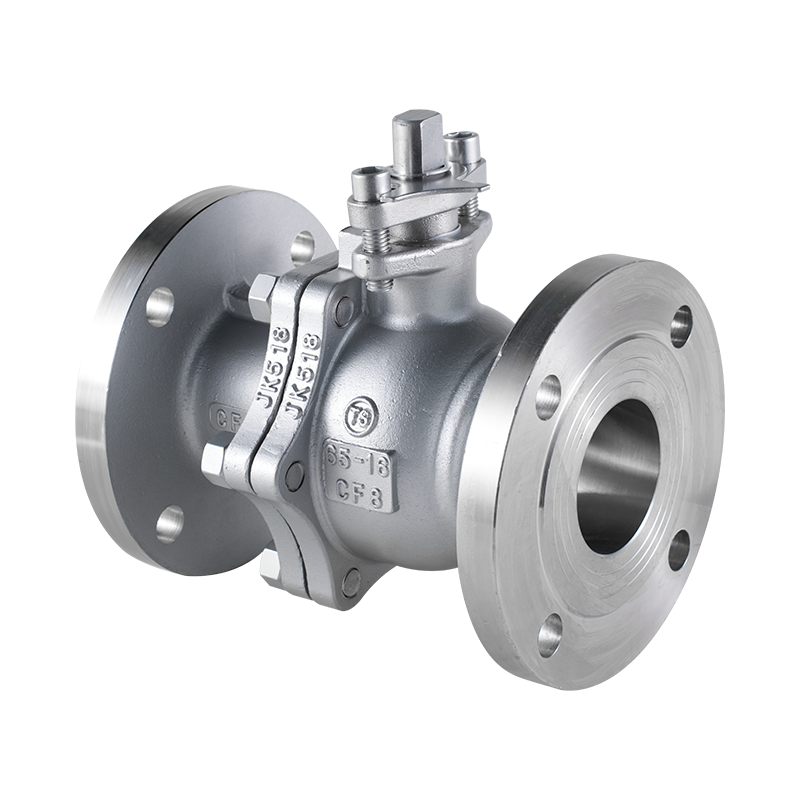
Curious about how a Stainless Steel Ball Valve manages fluid flow so efficiently in complex piping systems? In both commercial and heavy-duty applications, an Industrial Ball Valve must operate reliably over many cycles while offering secure shut-off when needed. This performance begins with the basic mechanism at the heart of the valve and the precision engineering that drives it.
What Is a Ball Valve?
A ball valve functions as a flow control or shut-off valve that uses a spherical ball with a drilled hole (often called the bore) to regulate media flow through a pipeline. When the bore in the ball aligns with the pipeline, fluid or gas can flow through freely. Rotating the ball 90 degrees turns the bore perpendicular to the flow direction, effectively stopping the media from passing.
Unlike some other valve types that may pinch or compress to control flow, a ball valve provides a direct flow path with minimal resistance when open, reducing turbulence and pressure drop.

Key Components Explained
To understand how an Industrial Ball Valve works, it helps to break down its main parts:
- Ball: A precision-machined sphere with a bore through its center; this is the primary component controlling flow.
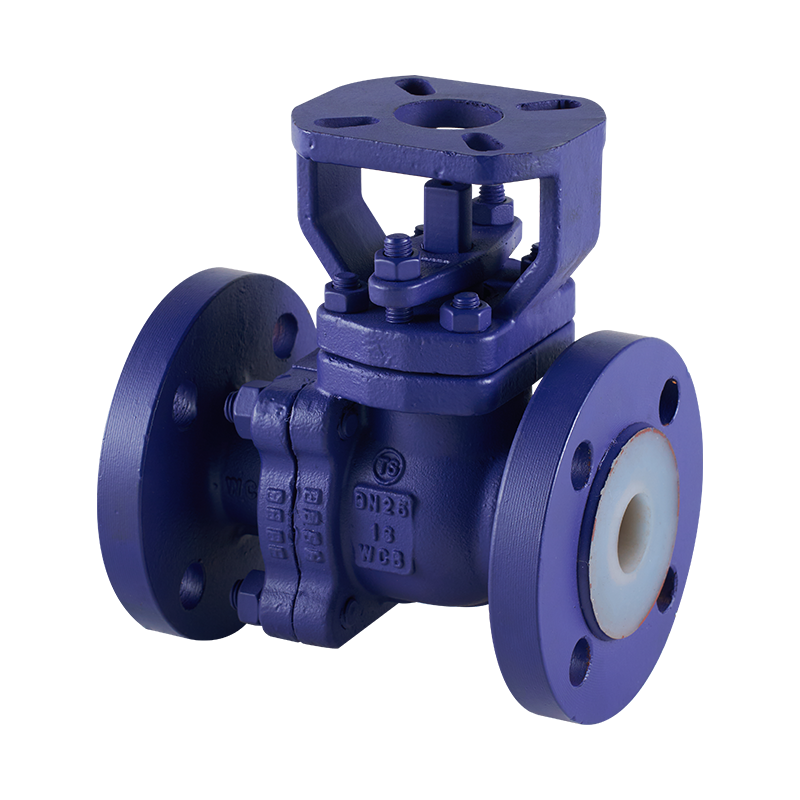
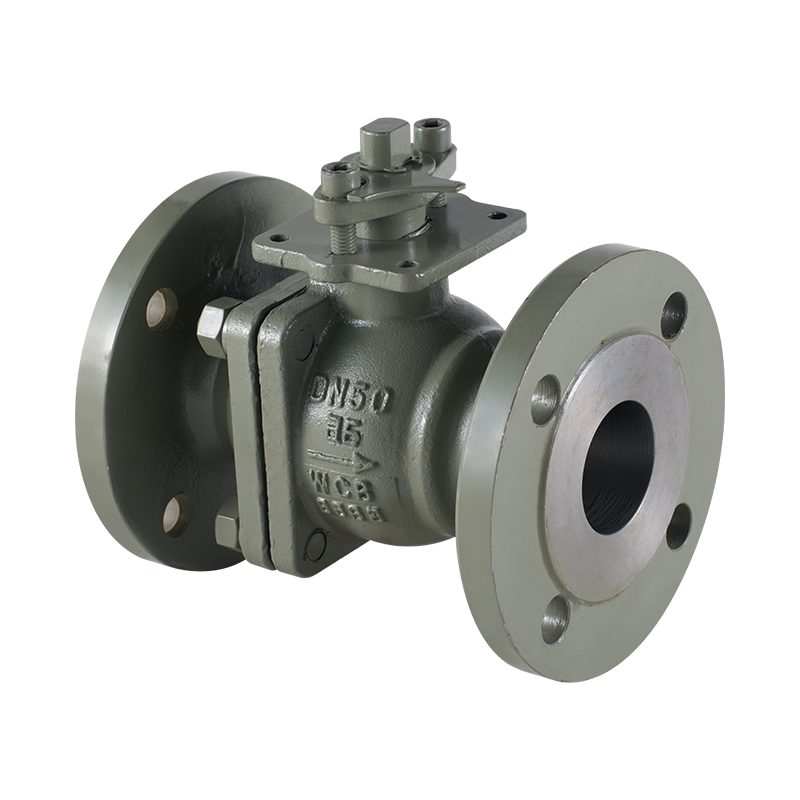
- Valve Body: The outer shell that houses the ball and connects to the pipeline.
- Stem: Connects the ball to the control mechanism (e.g., a handle or actuator).
- Seats: Sealing surfaces that press against the ball to ensure tight shut-off when closed.
- Handle or Actuator: Allows manual or automated rotation of the ball.
These elements work together so that a simple rotation of the ball translates into a clear open or closed state for the valve. The mechanism’s simplicity is part of why ball valves are widely accepted across industrial applications.
How Ball Rotation Controls Flow
The principle is straightforward:
- Open Position: When the ball is turned so that the bore lines up with the pipeline, the flow path is open. Media like water, air, or gas travels straight through the valve with little resistance.
- Closed Position: Rotating the ball 90 degrees moves the solid side of the sphere into the line of flow, blocking passage completely and creating a secure seal.
This quarter-turn action makes ball valves quick and easy to operate compared to valves requiring many turns to open or close.
Why This Works Well in Industrial Settings
The design of ball valves offers several practical benefits:
- Fast Operation: The quarter-turn mechanism means open and close actions are rapid.
- Low Leakage: The sealing between the ball and seats provides reliable shut-off, important in gas or critical liquid applications.
- Minimal Flow Resistance: An aligned bore creates a straight, unobstructed path that maintains system performance.
- Versatility: Ball valves can be manual or automated, with many available in configurations suited for high pressure or corrosive environments.
Because of these advantages, ball valves are commonly used in systems where reliability and ease of operation matter more.
Variations in Ball Valve Design
Not all ball valves are identical in design, and users often ask how these variations affect operation:
- Floating Ball Valves: The ball is held in place by the seats and can move slightly, improving seal tightness under pressure.
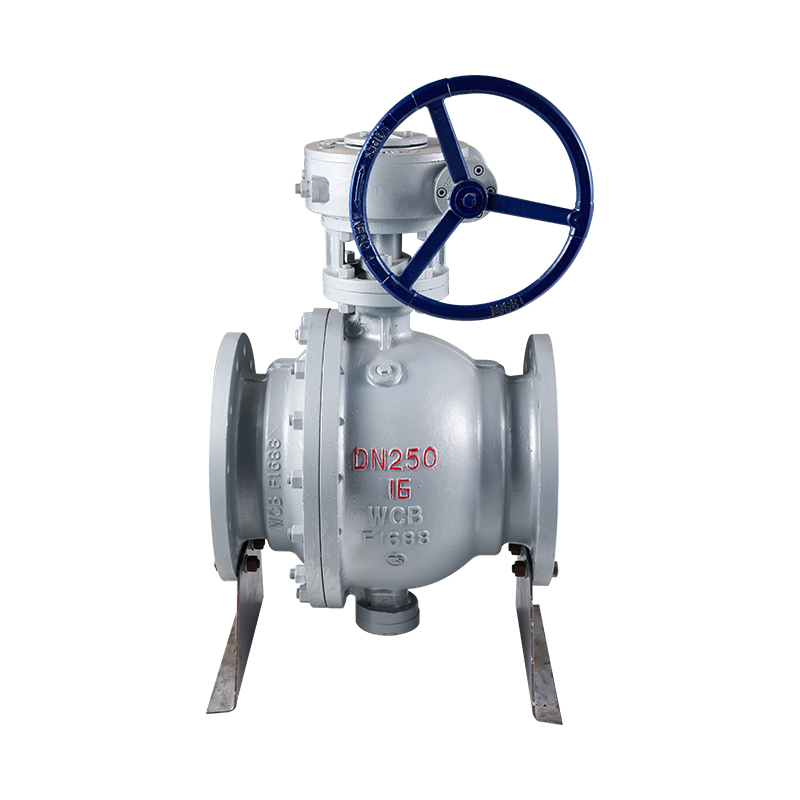
- Trunnion-Mounted Ball Valves: Ball is fixed with additional support, which reduces operating torque for larger sizes.
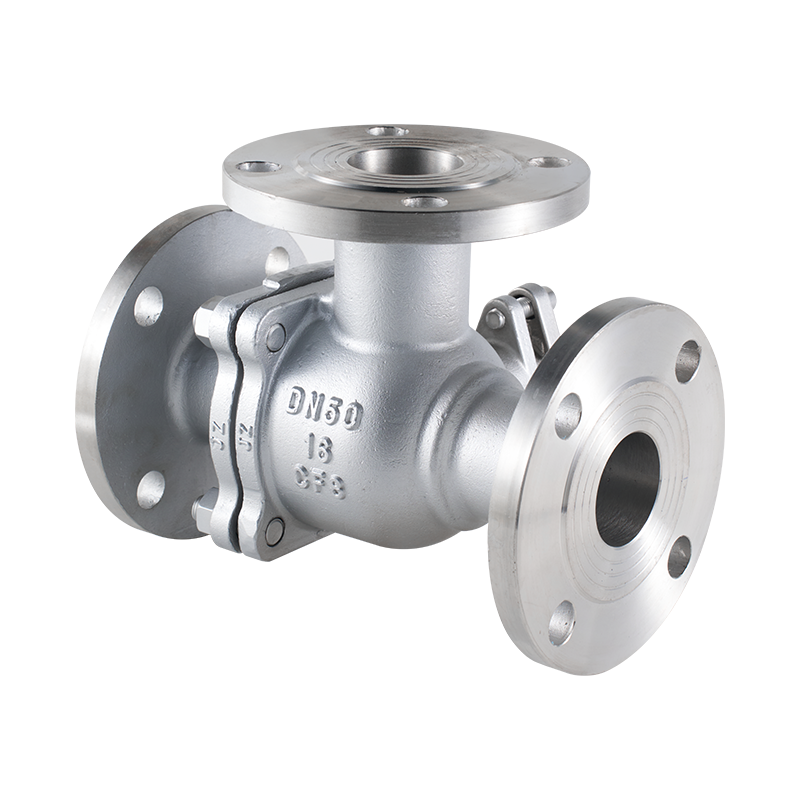
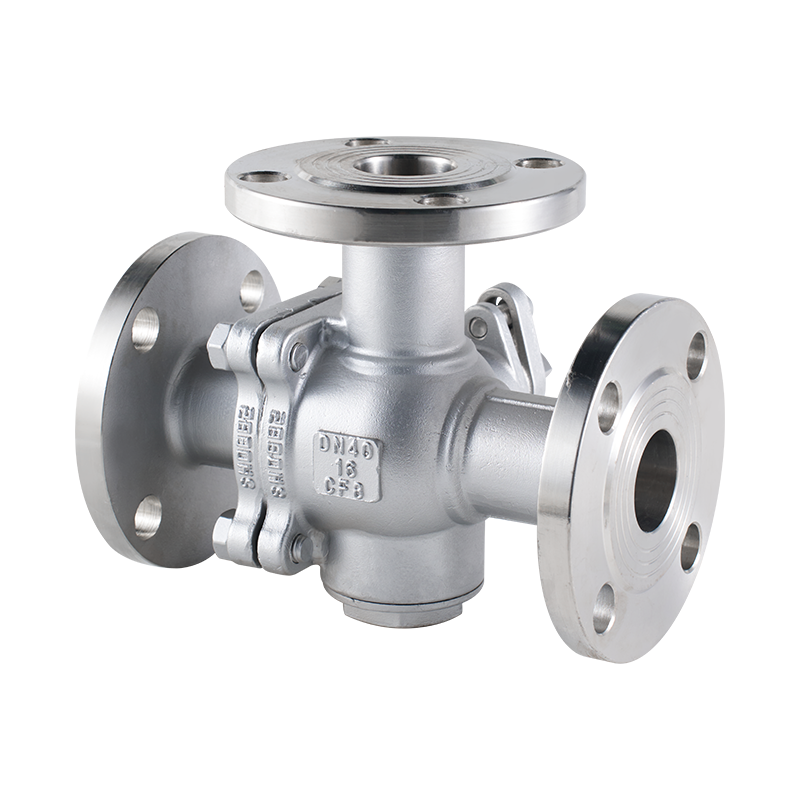
- Multi-Port Ball Valves: These allow flow diversion or mixing by having more than one flow path through the ball.
Despite these design differences, the core operational principle—rotating a perforated ball to open or close a flow path—remains the same.
Practical Considerations in Use
When selecting a ball valve for an industrial system, consider:
- Type of media: Different internal materials or seat types may be needed for abrasive, corrosive, or high-temperature fluids.
- Operating conditions: Pressure and temperature ratings affect which ball valve designs are suitable.
- Automation needs: In systems requiring frequent adjustments, actuated configurations may be preferred over manual handles.
These considerations help ensure the valve functions as intended and lasts throughout its service life.
The operation of a ball valve is elegantly simple yet highly effective: a hole through a rotating ball allows or blocks media flow, controlled by a stem and handle or actuator. This simplicity makes the Stainless Steel Ball Valve and other Industrial Ball Valve variants reliable choices across a broad range of applications, from industrial piping to automated control systems.
Whether you are new to valves or refining your selection criteria, understanding how these devices work helps ensure the right fit for your project’s needs.