
 English
 中文简体
中文简体


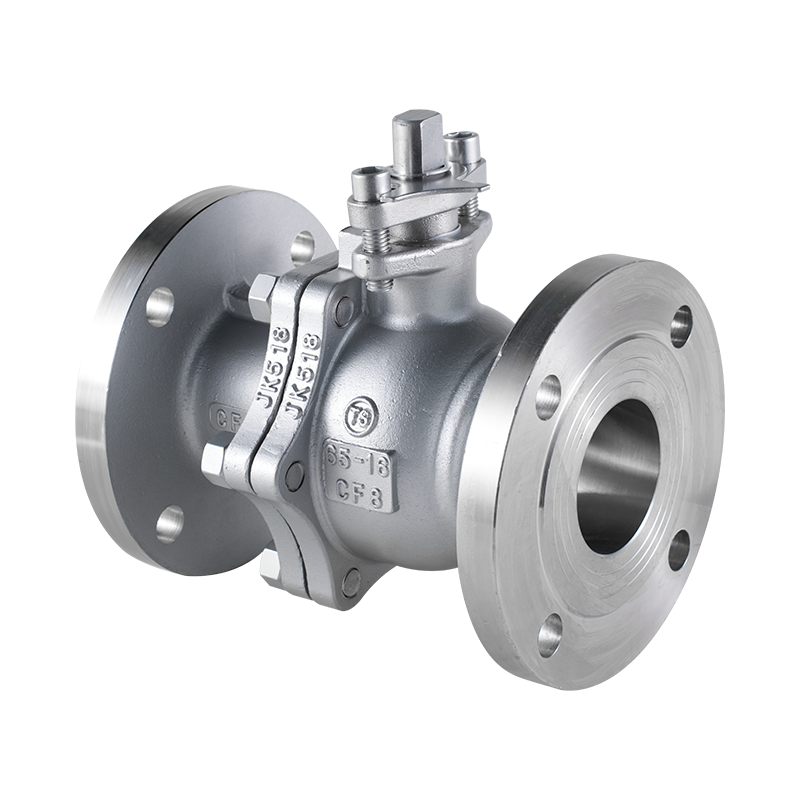
Pipelines, processing units, and fluid handling systems all require valves that match their operational needs. A Stainless Steel Ball Valve or any Industrial Ball Valve must be specified carefully so it can withstand the conditions it will face throughout its service life. Whether you are comparing pressure classes, temperature capabilities, or physical dimensions, understanding key specifications helps ensure reliable performance and safety.
Zhejiang Xiongxiang Valve Co., Ltd. often encounters customers seeking clarity on how to interpret technical data sheets and match valve specs with system requirements; this kind of informed approach improves uptime and reduces costly mistakes.
Pressure Rating: Can the Valve Handle Your System?
Pressure rating is one of the primary specs users ask about when selecting a valve. This number describes the maximum internal pressure the valve can safely tolerate during operation without failure. Modern industrial ball valves are tested against standardized pressure classes to guide selection. For example, ANSI pressure classes such as 150. 300. or higher denote graded limits on working pressure at specific temperatures.
A valve’s pressure capability depends on its material strength and design. Stainless steel bodies typically offer higher pressure tolerance compared with many plastics or softer alloys. Always match the selected valve’s rating to the maximum expected pressure in your system plus an appropriate safety margin.
Temperature Range: Will Your Valve Stay Stable?
Temperature affects both material properties and sealing performance. A valve’s rated temperature range tells you what environments and fluids it can handle without deformation or seal failure. Stainless steel ball valves commonly accommodate temperatures from well below freezing to several hundred degrees Celsius, depending on the type of seats and seals used.
Keep in mind that extreme temperatures often impact pressure ratings as well — as temperatures climb, certain materials lose strength, which can lower allowable pressure. When selecting an industrial ball valve, verify that its rated temperature range covers both the fluid’s temperature and the ambient operating conditions.
Size & Flow Capacity: Do Specs Fit Your Line?
Bolt-on dimensions and internal flow capacity affect how smoothly your system will operate. Valve size needs to correspond with pipe nominal diameter so that the ball valve fits seamlessly into your pipeline without causing unnecessary pressure drops or flow restrictions.
Another measurement often shown on spec sheets is the flow coefficient (Cv), which represents how much fluid will flow through the valve with a set pressure drop. Higher Cv values indicate greater flow capacity and lower resistance. This spec is particularly helpful when systems must maintain specific flow rates under varying loads.
Materials & Compatibility: What Is in the Valve?
Material choice affects durability, corrosion resistance, and compatibility with the specified media. The valve body and internal components such as seats and seals must be compatible with the fluid’s chemical characteristics. For example, stainless steel bodies resist many corrosive environments and high temperatures, while other alloys may be better suited for specialty applications.
Internal seal and seat materials also matter: PTFE and reinforced PTFE are common seal materials that handle wide temperature and media ranges, while metallic seats are chosen for high-pressure or abrasive conditions.
End Connections & Installation Specs
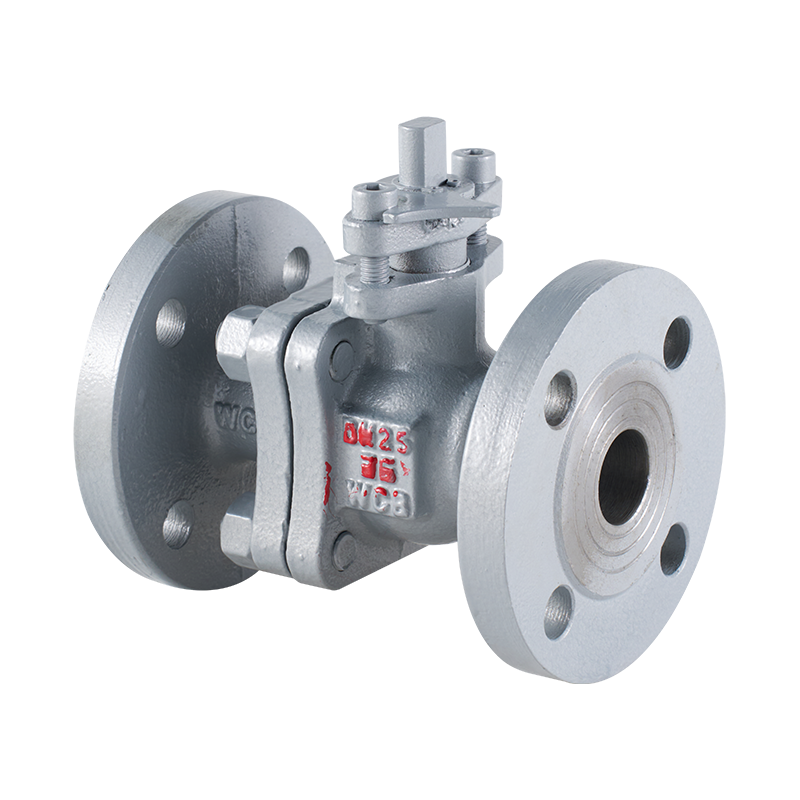
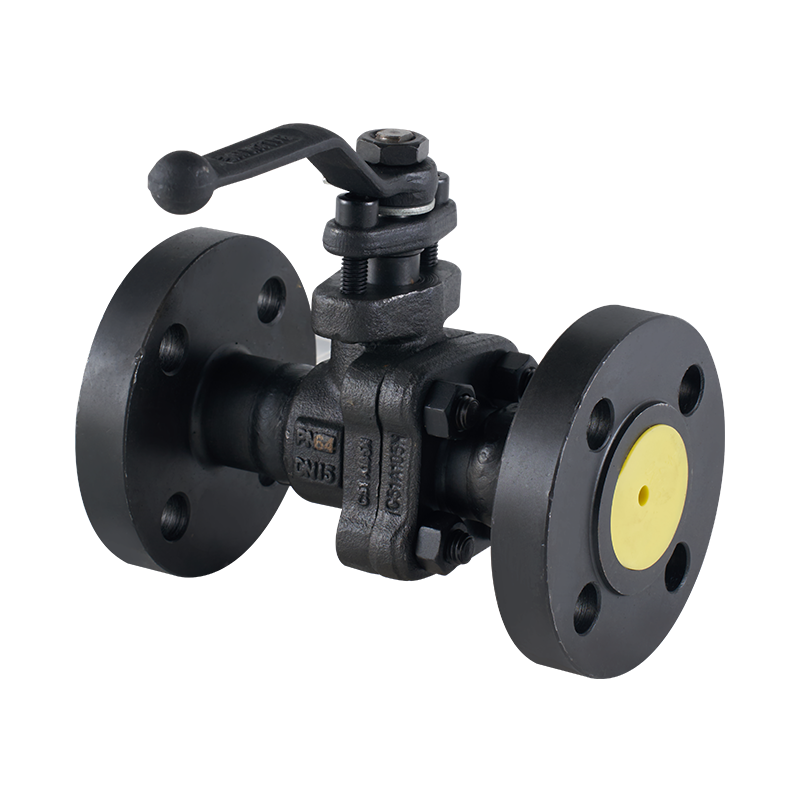
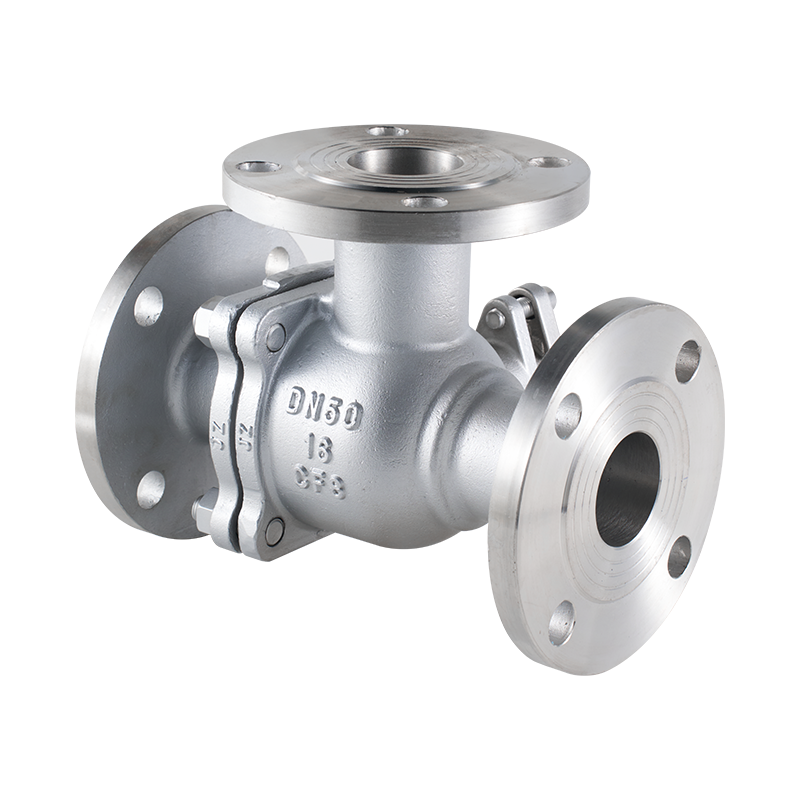
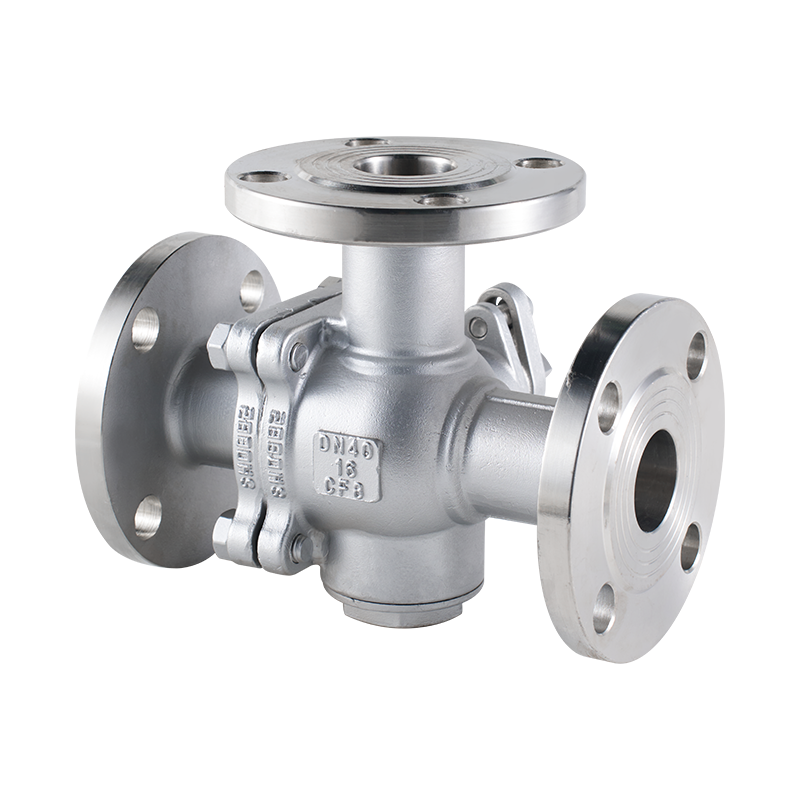
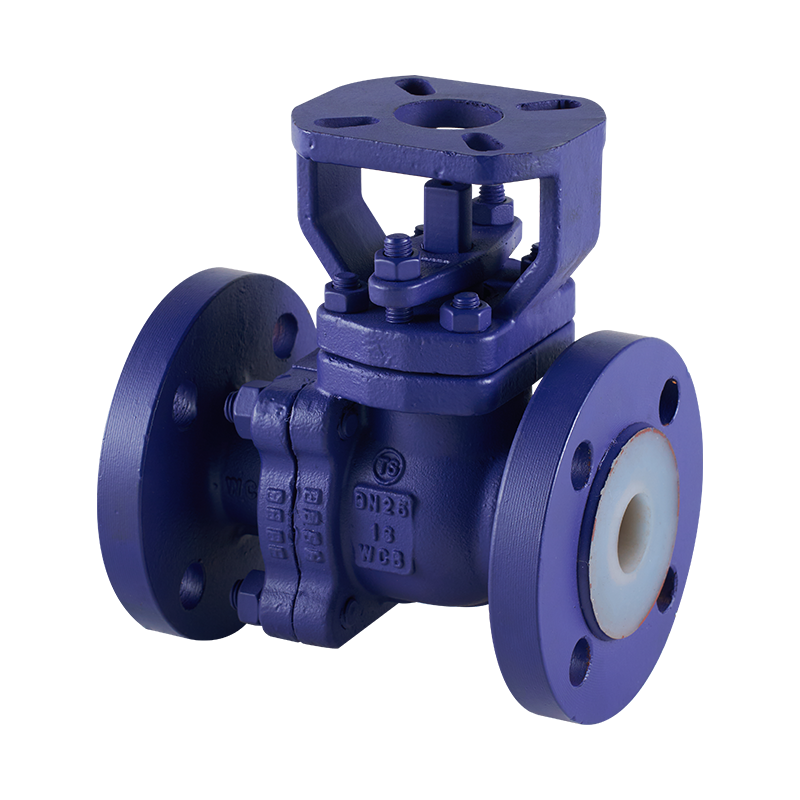
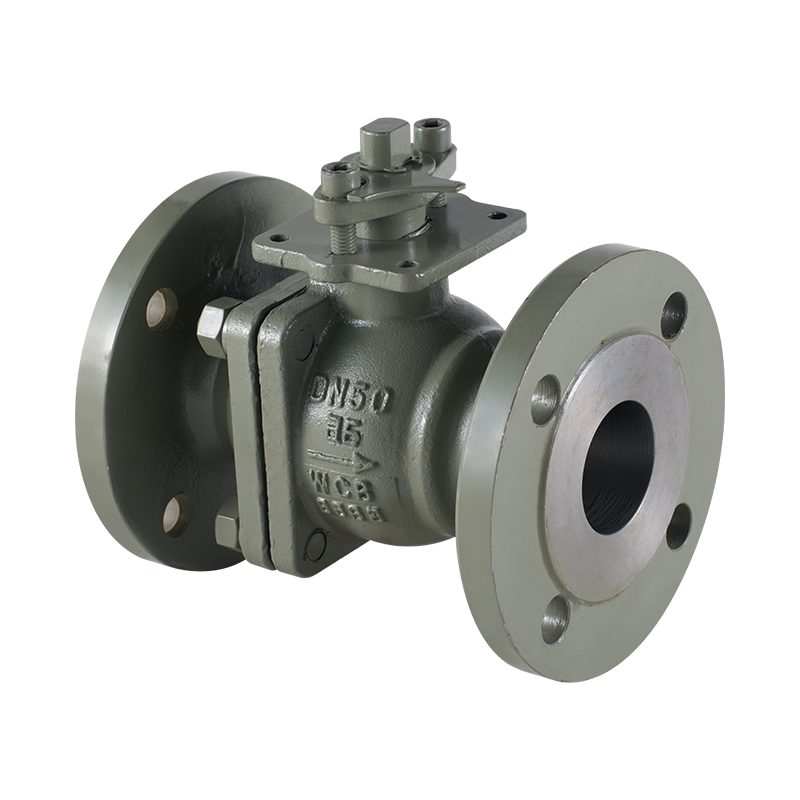
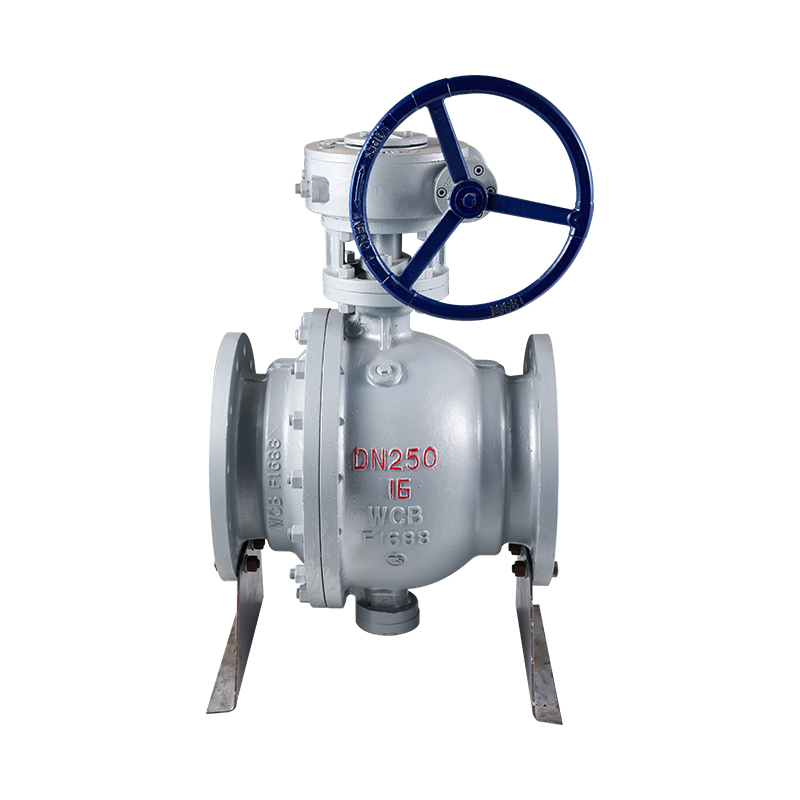
Connection types (e.g., flanged, threaded, socket weld) are part of the spec sheet and affect installation and maintenance. Larger industrial systems tend to use flanged connections for easy integration with pipeline flanges, whereas smaller lines may use threaded or welded ends.
Selecting the correct connection type ensures seals align properly and that the valve can be removed or serviced without disrupting other system components.
Choosing the right specs for a Stainless Steel Ball Valve or an Industrial Ball Valve is about matching the valve’s capabilities to your system’s demands — from pressure and temperature ratings to size, materials, and connection types. Thoughtful spec review minimizes downtime, prevents premature wear, and enhances system performance. Discussing these requirements with your supplier can further help clarify which valve better suits your application and operating conditions.