
 English
 中文简体
中文简体

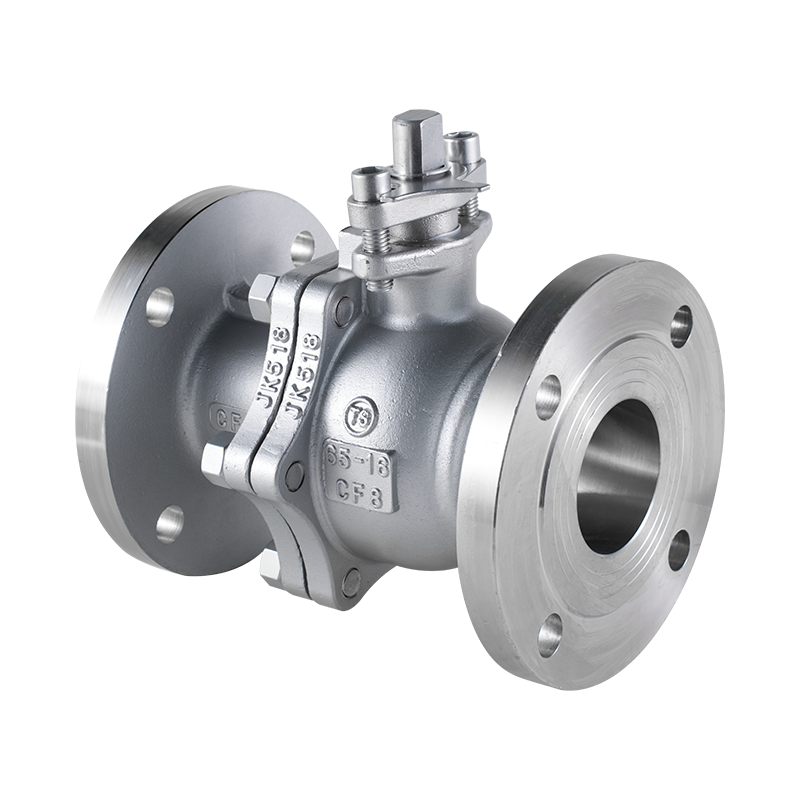
Understanding corrosion resistance is a core concern for engineers and end-users considering a Stainless Steel Ball Valve or an Industrial Ball Valve solution. Corrosion is one of the leading factors determining how long a valve will perform reliably in aggressive environments such as chemical processing, seawater pumping, and high-humidity applications. Many people want to know whether these valves can resist rust and chemical degradation, and what factors influence their longevity and performance.
Zhejiang Xiongxiang Valve Co., Ltd. produces a wide range of ball valves designed to meet demanding industrial conditions, and corrosion resistance is often one of the key performance metrics customers evaluate before making a purchase decision.
What Causes Corrosion in Valves?
Corrosion begins when the metal surface reacts with its environment, causing material loss or change in mechanical properties. Factors such as saltwater exposure, acidic or alkaline fluids, and temperature extremes all contribute to corrosion risk. In industrial systems, corrosion can compromise sealing surfaces, increase leakage, and shorten the valve’s service life.
Stainless steel alloys incorporate chromium and sometimes molybdenum, elements that form a protective oxide layer on the surface. This passive film helps resist corrosion in many environments compared to carbon steel or iron valves that rust more quickly.

How Stainless Steel Resists Corrosion
Stainless steels used for ball valves are typically from the 300 series, such as 304 and 316 grades. These materials are engineered to withstand oxidizing conditions, aqueous environments, and even some saltwater applications:
Grade 304 stainless steel provides good atmospheric corrosion resistance and is suitable for less aggressive media.
Grade 316 stainless steel includes added molybdenum, which enhances resistance to chlorides and acidic environments. This makes it more suitable for moderately corrosive industrial applications.
The protective layer formed by chromium and molybdenum helps prevent oxidation and pitting, especially in environments where moisture and oxygen are present. Users often ask about these grades when deciding which valve is appropriate for specific pipelines.
Real-World Corrosion Concerns
- Saltwater & Marine Applications
One frequent question from field engineers is whether stainless steel valves are suitable for saltwater service, such as on ships or coastal facilities. Certain stainless steel grades like 316 do show notable resistance to corrosion caused by seawater, though regular maintenance can help prevent salt deposits and localized corrosion.
- Chemical Plants & Acidic Fluids
In chemical processing, fluids can have varying pH levels and aggressive chemical species. Stainless steel ball valves are often selected here because they provide a balance of corrosion resistance and structural strength. Users commonly ask about chemical compatibility—especially where acids or chlorides are present—and how to choose between different alloys.
- Industrial Water Systems
Water treatment and industrial fluid systems often contain dissolved oxygen, minerals, and occasional contaminants. Stainless steel ball valves resist oxidation better than many alternatives, making them a common choice for controlling flow in these environments.
Selecting for Corrosion-Resistant Performance
When considering a Stainless Steel Ball Valve for corrosion-prone environments, here are some user-focused questions to guide selection:
What fluid media will flow through the valve? Corrosive versus non-corrosive fluids influence material choice.
What is the expected temperature and pressure range? Heat and pressure can accelerate corrosion processes if the material is not suited.
Has the system previously experienced corrosion issues? Historical data can help determine whether higher-grade stainless materials are required.
Each of these points steers valve selection toward solutions that balance cost with performance for the intended service application.
Maintenance & Field Practices
Even corrosion-resistant valves are not entirely maintenance-free. Regular inspection and cleaning can prevent surface deposits from trapping moisture and initiating localized corrosion. Users often ask about how frequently valves should be inspected—especially in outdoor or wet environments—as well as what maintenance routines help extend valve life.
Proper installation and avoiding stagnant fluid zones around the valve also contribute to better long-term corrosion performance.
A Stainless Steel Ball Valve used as part of an Industrial Ball Valve system can offer reliable corrosion resistance when properly matched to the application’s media, temperature, and pressure conditions. Material grades like 304 and 316 stainless steel provide durable performance, though high chloride or highly oxidizing conditions may require additional evaluation.
Selecting the right valve, understanding corrosion mechanisms, and maintaining valve integrity all contribute to extending service life and improving system performance. Zhejiang Xiongxiang Valve Co., Ltd. continues to support customers navigating these decisions with product options and technical guidance.