
 English
 中文简体
中文简体


In modern industrial environments, reliable fluid control plays an important role in keeping production processes, water systems, and facility operations running smoothly. Engineers and purchasing teams are paying more attention to valve adaptability, maintenance convenience, and compatibility with existing pipeline systems. An ANSI Butterfly Valve is widely considered for applications that require efficient flow regulation, compact installation, and practical operation. For buyers searching for industrial valve solutions, understanding application requirements and selection factors can help avoid performance issues during long-term use.
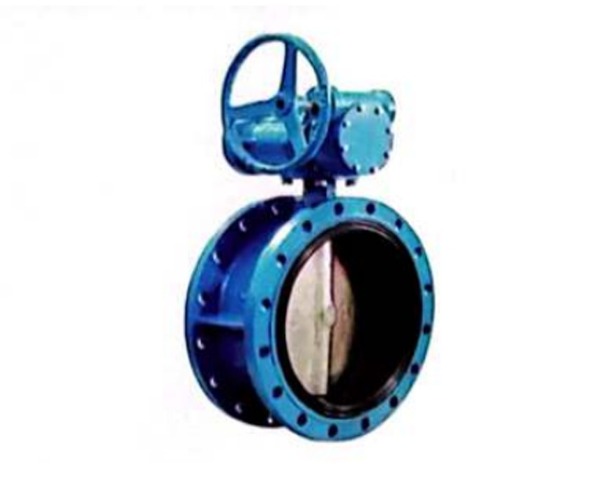
Understanding the Role of Butterfly Valves in Pipeline Applications
Butterfly valves are commonly used in systems where controlling fluid flow quickly and efficiently is necessary. Their simple structure allows them to be integrated into different pipeline layouts, making them suitable for various industrial environments.
When selecting a valve for a specific project, engineers usually review several factors, including pipeline size, operating pressure, fluid characteristics, and connection standards. An ANSI Butterfly Valve designed according to recognized specifications can help improve compatibility with existing systems and simplify the installation process.
For international projects, standardized valve designs also make communication between engineering teams, suppliers, and contractors more convenient, especially when equipment needs to be sourced across different regions.
Improving Maintenance Efficiency with Practical Valve Design
Maintenance concerns are often a key factor during industrial equipment selection. A valve that is difficult to inspect or replace may create additional challenges during regular operation.
Butterfly valves are valued for their straightforward structure and accessible components. Proper product selection can make routine checks easier, including inspection of sealing parts, actuator functions, and connection areas. This is especially useful for facilities where continuous operation and scheduled maintenance are important.
To support stable performance, users should consider the working environment before installation. Factors such as temperature changes, fluid properties, and operating frequency can influence the suitable valve configuration.
Selecting Materials Based on Working Conditions
Different industries have different requirements for valve materials. Choosing suitable materials helps ensure better compatibility between the valve and the application environment.
For example, water treatment projects may focus on corrosion resistance and long-term reliability, while chemical processing systems often require careful evaluation of sealing materials and internal components. Food processing applications may also have specific requirements related to hygiene and cleaning procedures.
A professional valve selection process normally includes:
- Reviewing the type of fluid being controlled
- Checking temperature and pressure conditions
- Confirming sealing material compatibility
- Considering manual or automated operation methods
These steps help buyers identify a suitable ANSI Butterfly Valve configuration for their specific needs.
Supporting Automated and Modern Control Systems
With the development of smart industrial facilities, more companies are exploring automated valve control solutions. Butterfly valves can be combined with electric, pneumatic, or other actuator systems to support remote operation and improved process management.
For engineers working on automated pipelines, valve response, actuator compatibility, and installation space are important considerations. Selecting a valve system that matches the overall control strategy can help create a smoother operating process.
This trend is especially noticeable in industries upgrading existing facilities, where improving control efficiency without major system reconstruction is a common goal.
Common Considerations Before Global Purchasing
International buyers often evaluate more than product specifications when choosing industrial valves. They also pay attention to technical communication, customization options, delivery coordination, and after-sales support.
Before placing an order, procurement teams usually compare:
- Valve standards and connection requirements
- Available sizes and configurations
- Application suitability
- Supplier technical assistance
Clear product information allows buyers to make decisions with greater confidence and reduces potential issues during installation.
Building Reliable Flow Control Solutions for Future Applications
As industries continue improving operational efficiency, the demand for dependable flow control equipment remains consistent. Buyers are increasingly looking for valve products that combine suitable design, easy maintenance, and flexible application options.
Choosing the right ANSI Butterfly Valve requires careful consideration of system conditions, material selection, and operational requirements. A well-matched valve solution can help maintain stable pipeline performance and provide practical support for industrial projects in different fields.