
 English
 中文简体
中文简体


In industrial piping applications, stable flow control and reliable valve performance are important factors that influence daily operations. Many buyers are paying closer attention to valve standards, maintenance requirements, and long-term application performance when selecting equipment for water treatment, chemical processing, HVAC, and general industrial systems. An ANSI Butterfly Valve provides a practical solution for controlling fluid movement while meeting common industry requirements. With growing demand for efficient and easy-to-maintain valve systems, engineers and procurement teams are focusing on designs that balance installation convenience, durability, and operational flexibility.
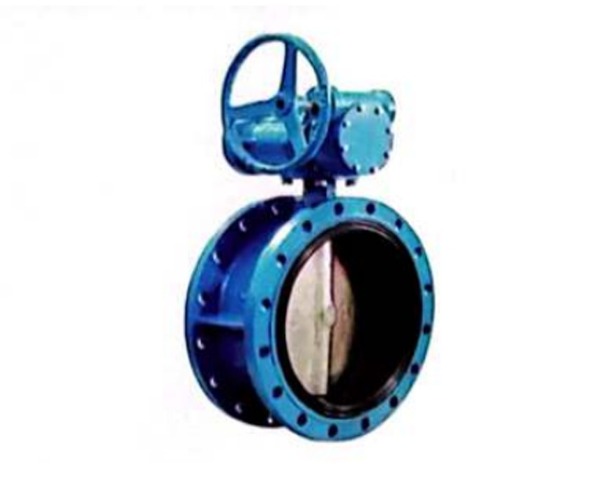
Meeting Industry Requirements with Standardized Valve Design
Valve compatibility is often a key consideration during equipment selection. Systems designed according to ANSI standards help ensure that components can work smoothly with existing pipelines and related equipment. For projects involving replacement, upgrades, or new installations, an ANSI Butterfly Valve allows engineers to choose a valve solution that matches common connection specifications and operating conditions.
Different industries may require different materials, sealing structures, and actuator options. When selecting a butterfly valve for industrial use, buyers usually evaluate factors such as media type, pressure conditions, temperature range, and frequency of operation. A suitable configuration can help reduce installation difficulties and support stable system performance.
Reducing Maintenance Challenges in Daily Operations
Maintenance efficiency has become an important topic for many facility managers. Valves installed in difficult-to-access areas or systems with frequent operation need designs that simplify inspection and service work.
Butterfly valves are widely used because of their compact structure and convenient maintenance characteristics. Compared with some traditional valve designs, they usually require less installation space, making them suitable for applications where pipeline space is limited. Regular checks of sealing components, actuator performance, and connection conditions can help maintain consistent operation.
For industrial users, choosing an ANSI Butterfly Valve with suitable materials and a reliable sealing design can support smoother maintenance schedules and reduce unnecessary downtime caused by valve-related issues.
Supporting Diverse Industrial Applications
The application range of butterfly valves continues to expand across different sectors. From water circulation systems to industrial processing lines, these valves provide flexible flow adjustment options for various working environments.
Common application areas include:
- Water supply and wastewater treatment systems
- Chemical and industrial fluid pipelines
- Building HVAC circulation systems
- Food and beverage processing equipment
- General process control systems
Each application has different requirements. For example, water systems may focus on corrosion resistance and long service intervals, while industrial processing environments may require specific sealing materials to handle different media characteristics.
Choosing the Right Materials for Better Performance
Material selection directly affects valve adaptability. Different working environments may require different valve body materials, disc materials, and sealing options.
For example, systems handling clean water may use standard materials suitable for regular operation, while applications involving corrosive fluids may require more carefully selected material combinations. Engineers often review chemical compatibility, temperature conditions, and operating frequency before confirming the final valve specification.
A proper material choice helps ensure that the ANSI Butterfly Valve performs consistently within the intended application environment.
Improving System Efficiency Through Proper Valve Selection
Selecting the right valve is not only about purchasing a component; it is also about improving the overall efficiency of the piping system. Incorrect valve sizing or unsuitable configurations may create unnecessary operational challenges.
Before ordering, procurement teams and engineers usually consider:
- Pipeline size and connection standards
- Required flow control method
- Manual or automated operation needs
- Working environment and installation conditions
Clear communication between suppliers and project teams helps create a valve solution that matches actual usage requirements instead of relying on general specifications.
Responding to Modern Industrial Purchasing Trends
Today’s industrial buyers are looking for products that offer practical value, consistent quality, and easier integration into existing systems. Online searches for ANSI Butterfly Valve solutions increasingly focus on application guidance, technical details, and customization possibilities rather than only product pricing.
For international buyers, working with an experienced valve supplier can make the selection process more efficient. Detailed product information, technical support, and flexible manufacturing options help customers find suitable solutions for different industries and operating environments.
As industrial systems continue to develop, the demand for reliable flow control components remains steady. An ANSI Butterfly Valve with appropriate design, materials, and configuration can support efficient pipeline management while helping businesses improve daily operation and maintenance efficiency.