
 English
 中文简体
中文简体


In modern industrial piping systems, equipment reliability and maintenance efficiency have become important concerns for engineers and procurement teams. Selecting the right ANSI Butterfly Valve can directly influence flow stability, operational safety, and long-term maintenance costs. As industries such as water treatment, chemical processing, power generation, and manufacturing continue upgrading their fluid control systems, buyers are paying closer attention to valve standards, material compatibility, sealing performance, and installation flexibility. Manufacturers are focusing on providing solutions that help customers handle changing operating conditions while maintaining consistent system performance.
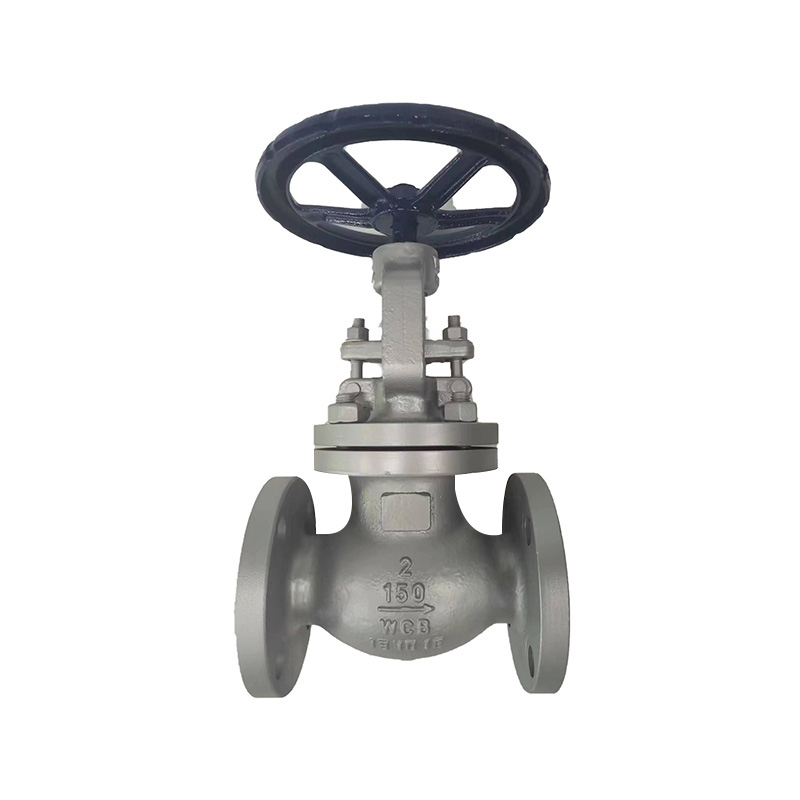
Addressing Common Challenges in Industrial Valve Selection
Many engineering teams face difficulties when choosing valves for large-scale piping applications. Issues such as leakage, pressure loss, difficult maintenance access, and unsuitable materials can increase operating expenses over time. Butterfly valves are widely applied because of their compact structure and efficient shut-off capability, but selecting a suitable model requires careful consideration of working conditions.
For international buyers, factors such as connection standards, operating temperature, media characteristics, and actuator options are essential during procurement. A properly designed valve solution helps reduce unexpected downtime and supports smoother system operation. Manufacturers with experience in industrial valve production usually evaluate application requirements before recommending suitable configurations instead of offering a one-size-fits-all product.
The Importance of ANSI Standards in Industrial Applications
For projects in North America and other regions following American engineering standards, compliance with ANSI requirements is a key purchasing factor. ANSI Butterfly Valve products are designed according to recognized dimensional and performance guidelines, allowing engineers to integrate them into existing pipeline systems more efficiently.
During project planning, buyers often review valve dimensions, pressure ratings, flange compatibility, and testing procedures. These details help ensure that the selected valve can work properly with other components in the system. For distributors and engineering contractors, valves that meet commonly accepted standards can simplify inventory management and project execution.
Enhancing System Efficiency Through Better Valve Design
Industrial users are increasingly looking for valve designs that balance performance and operational convenience. A well-designed butterfly valve can provide smooth flow control while requiring less installation space compared with some traditional valve structures.
Manufacturers are improving valve components by focusing on sealing systems, corrosion resistance, and actuator adaptability. For example, different seat materials may be selected according to the transported medium, while various actuator solutions can support manual, pneumatic, or electric operation requirements. These design considerations allow customers to build more flexible and reliable fluid control systems.
Material Selection for Different Working Environments
Material compatibility remains a major topic among engineers purchasing industrial valves. Different applications may involve water, air, chemicals, or other industrial fluids, and each environment creates different requirements for valve body materials and sealing components.
When supplying butterfly valves, manufacturers need to consider factors including corrosion resistance, mechanical strength, and service conditions. Cast iron, ductile iron, stainless steel, and other material options are commonly evaluated based on project needs. Providing clear material information helps overseas buyers make more informed decisions and reduces risks caused by incorrect product selection.
Simplifying Maintenance and Reducing Operational Costs
Maintenance efficiency is another important concern for industrial buyers. In factories and infrastructure projects, frequent valve replacement or complicated repair procedures can affect productivity. Butterfly valves with practical structures allow easier inspection, replacement of components, and routine maintenance.
Manufacturers are paying more attention to product durability and user-friendly designs. Features such as replaceable seats, reliable sealing structures, and standardized components can help maintenance teams complete service work more efficiently. For companies managing multiple facilities, these advantages contribute to better equipment management and more predictable operating costs.
Supporting Global Procurement with Customized Valve Solutions
Overseas procurement teams often require suppliers that can provide technical support beyond standard product supply. Different industries may have unique requirements related to pressure conditions, connection methods, control systems, or project specifications.
As an industrial valve manufacturer, we focus on helping customers select suitable valve configurations according to their application scenarios. Our production process emphasizes quality inspection, dimensional accuracy, and stable performance to support distributors, contractors, and engineering companies in different markets. Customized solutions also allow buyers to improve compatibility between valves and their existing pipeline equipment.
Future-Focused Valve Applications in Industrial Infrastructure
With increasing investment in water management, industrial automation, and energy-related projects, efficient flow control equipment continues to play an important role in infrastructure development. Engineers are not only considering initial purchasing costs but also evaluating product reliability, maintenance requirements, and lifecycle value.
Choosing a dependable ANSI Butterfly Valve supplier helps companies create stable pipeline systems and improve project efficiency. By combining suitable materials, standardized production, and application-focused support, ANSI Butterfly Valve solutions can meet the practical needs of modern industrial environments and provide lasting value for global customers.