
 English
 中文简体
中文简体


In many industrial facilities, stable fluid management depends on choosing components that match actual operating conditions. From water systems and building services to processing equipment, valves need to provide reliable control while fitting smoothly into existing pipeline designs. An ANSI Butterfly Valve has become a practical option for many applications because of its compact structure, convenient operation, and compatibility with common industrial requirements. For engineers and purchasing teams, understanding the key selection factors can help reduce installation concerns and improve long-term system performance.
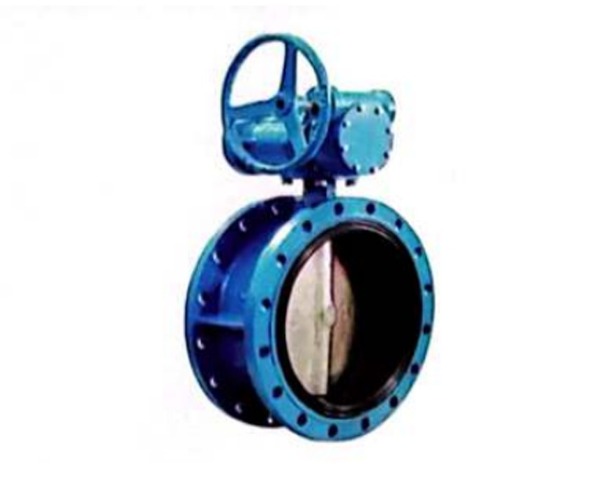
Addressing Space Limitations in Modern Pipeline Layouts
Industrial spaces are often designed with limited room for equipment installation, especially during facility upgrades or pipeline modifications. Traditional valve solutions may require additional space for installation and maintenance, creating challenges for engineers during project planning.
Butterfly valve designs are known for their relatively compact structure, making them suitable for applications where installation space needs careful consideration. When selecting an ANSI Butterfly Valve for an existing system, engineers usually evaluate connection dimensions, pipeline arrangement, and operating requirements to ensure smooth integration.
A suitable valve configuration can help simplify installation work and provide easier access for future inspection or maintenance activities.
Improving Flow Management Through Suitable Valve Configuration
Different applications require different flow control methods. Some systems need frequent adjustment, while others mainly require reliable opening and closing operations. Choosing the right valve configuration based on actual usage can influence overall system efficiency.
During the selection process, buyers often consider:
- Pipeline size and connection type
- Fluid characteristics and operating environment
- Manual or automated control requirements
- Sealing performance requirements
By matching valve specifications with project conditions, users can create a more stable flow control system and avoid problems caused by unsuitable product selection.
Material Selection for Different Working Environments
The operating environment has a direct influence on valve performance. Factors such as fluid composition, temperature changes, and exposure conditions should be reviewed before confirming materials.
For example, water-related applications may focus on corrosion resistance and long-term service needs, while industrial processes involving different media may require specific sealing materials and internal components. Careful material selection helps maintain reliable operation under different working conditions.
For global buyers, clear technical information about material options and application suitability is an important part of making purchasing decisions.
Supporting Industrial Automation and Equipment Upgrades
Many companies are improving their facilities by introducing automated control systems. Valve operation is an important part of these upgrades because it affects how accurately fluid systems can be managed.
An ANSI Butterfly Valve can be equipped with different actuator options to support automated applications. Engineers working on system improvements often evaluate actuator compatibility, control requirements, and installation conditions before selecting the final solution.
This approach allows businesses to upgrade existing pipelines while maintaining a practical balance between automation needs and project costs.
Reducing Operational Challenges Through Proper Maintenance Planning
Regular maintenance plays an important role in keeping pipeline systems reliable. Even well-designed equipment requires suitable inspection procedures to maintain consistent performance.
For butterfly valves, common maintenance considerations include checking sealing components, reviewing actuator operation, and confirming connection conditions. Establishing a clear maintenance schedule can help identify potential issues before they affect daily operations.
For facility managers, selecting a valve that supports convenient inspection and service can make routine management easier.
Meeting International Purchasing Requirements with Reliable Valve Solutions
Industrial buyers around the world are increasingly focused on product compatibility, technical support, and application flexibility when sourcing valve solutions. They are not only looking at specifications but also considering whether the product can fit their project environment.
A carefully selected ANSI Butterfly Valve can support different industrial applications by providing practical flow control, easier installation, and adaptable configurations. By focusing on real operating conditions and project requirements, buyers can choose valve solutions that contribute to stable pipeline performance and efficient system management.