
 English
 中文简体
中文简体


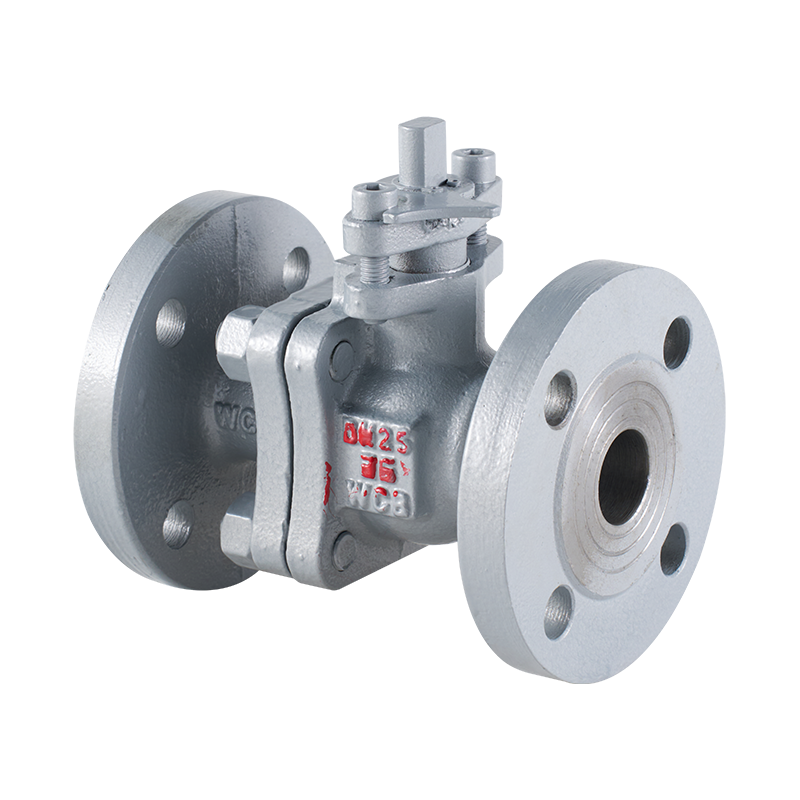
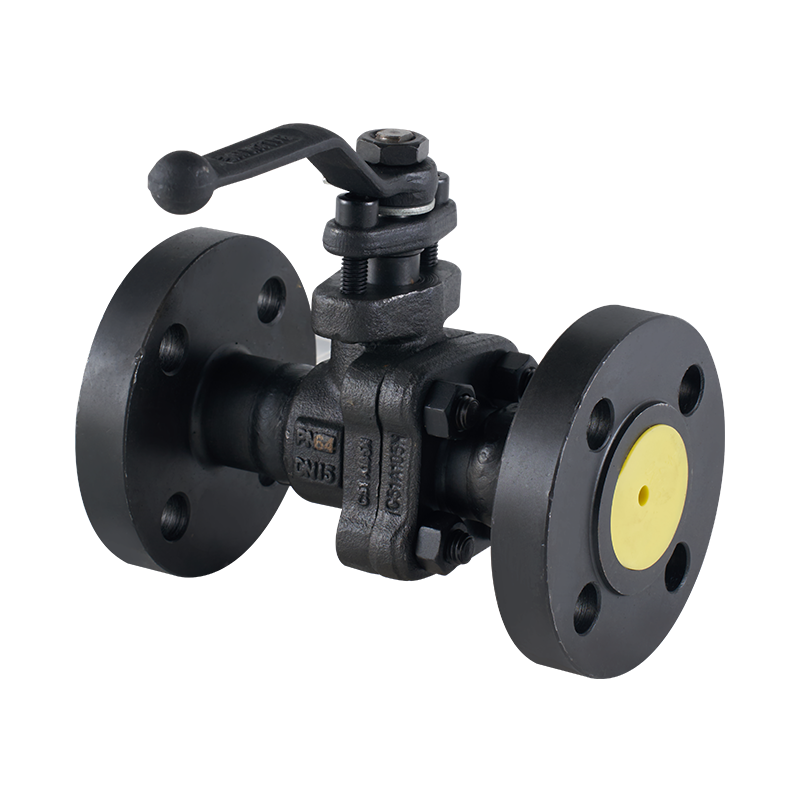
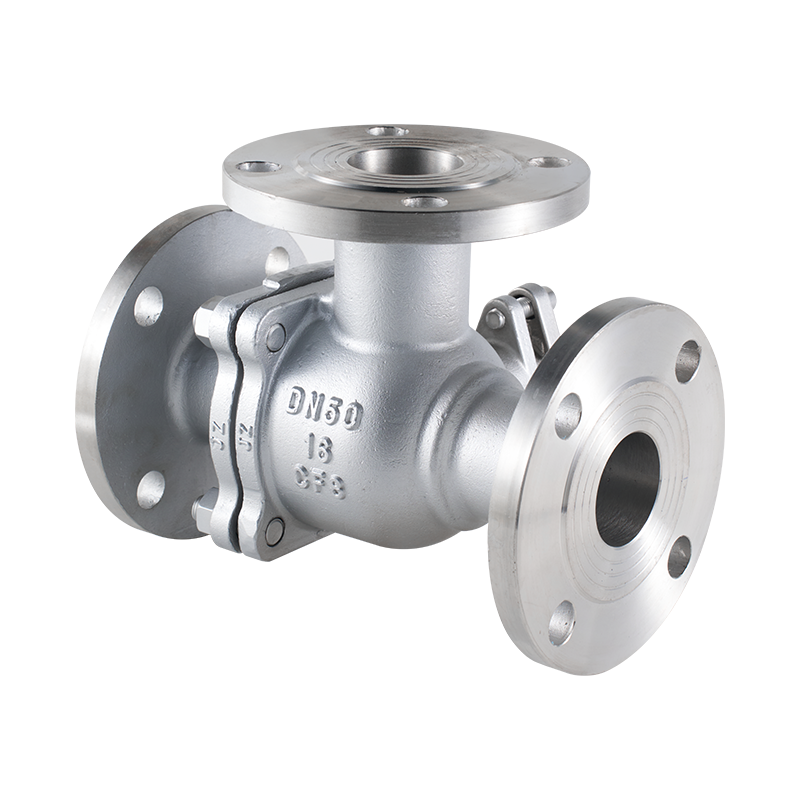
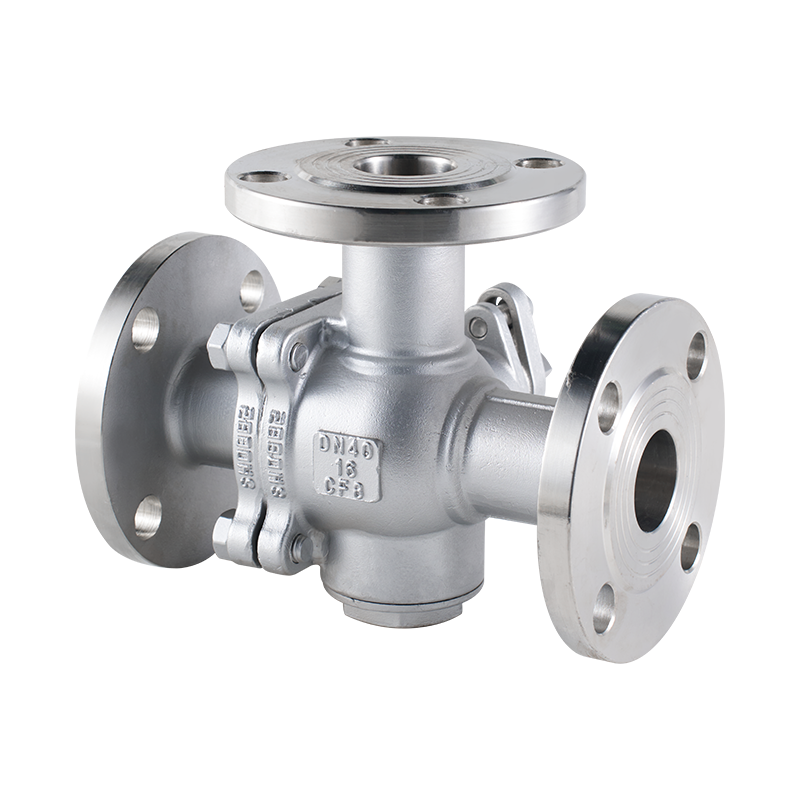
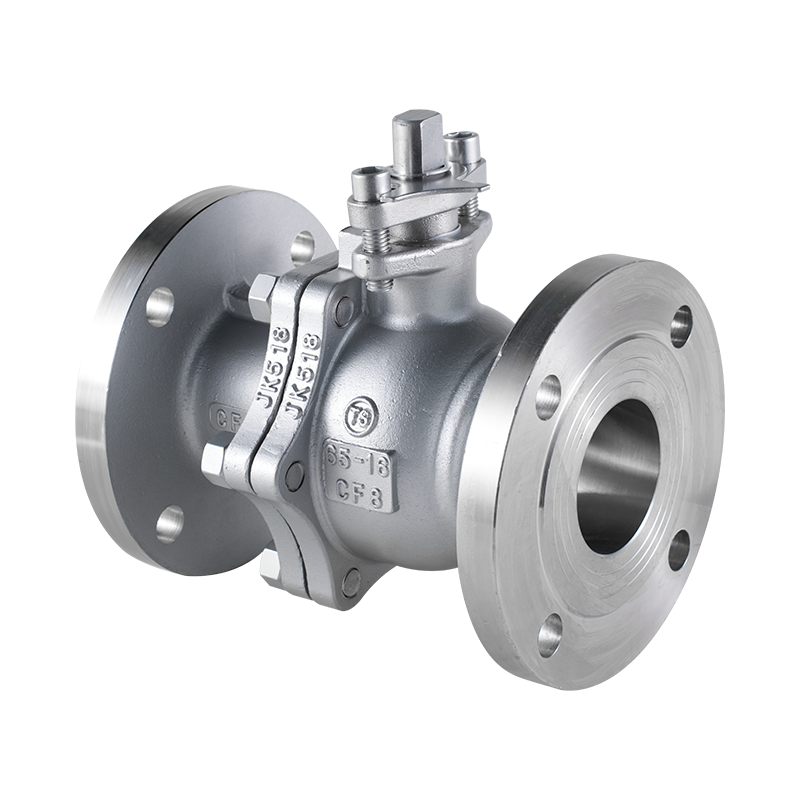
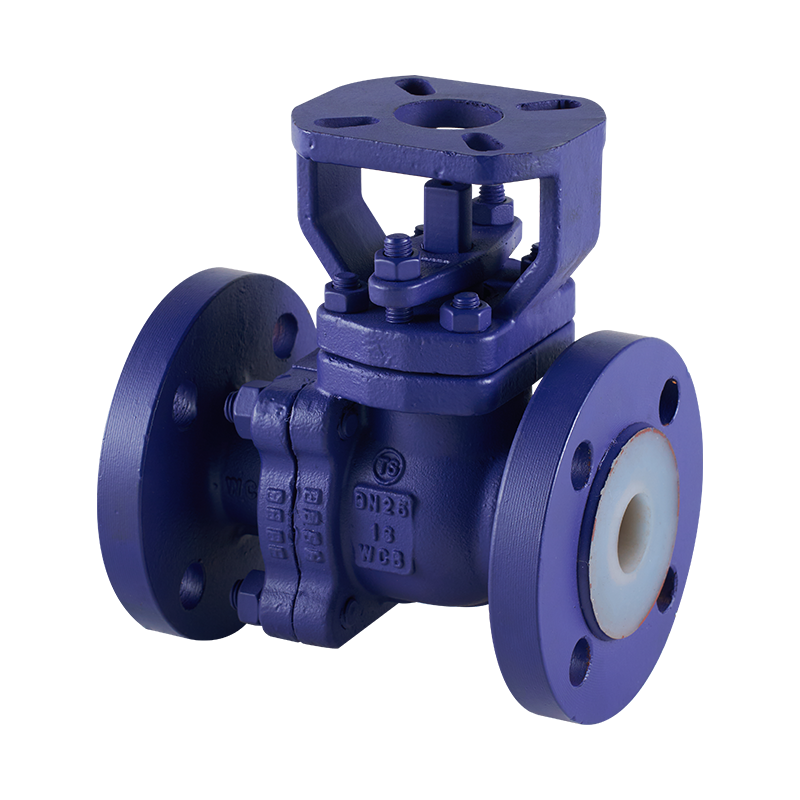
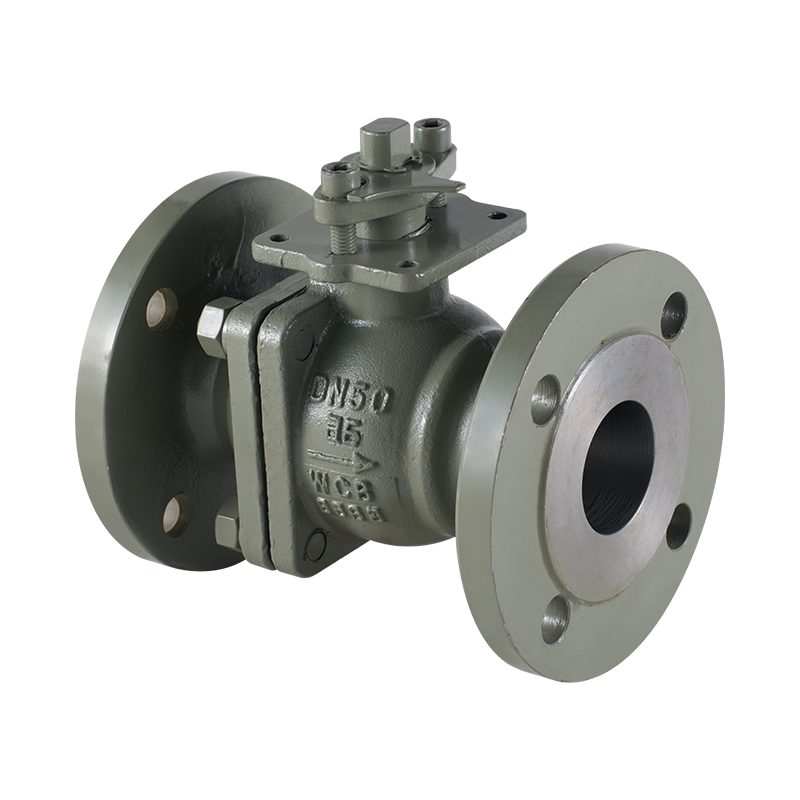
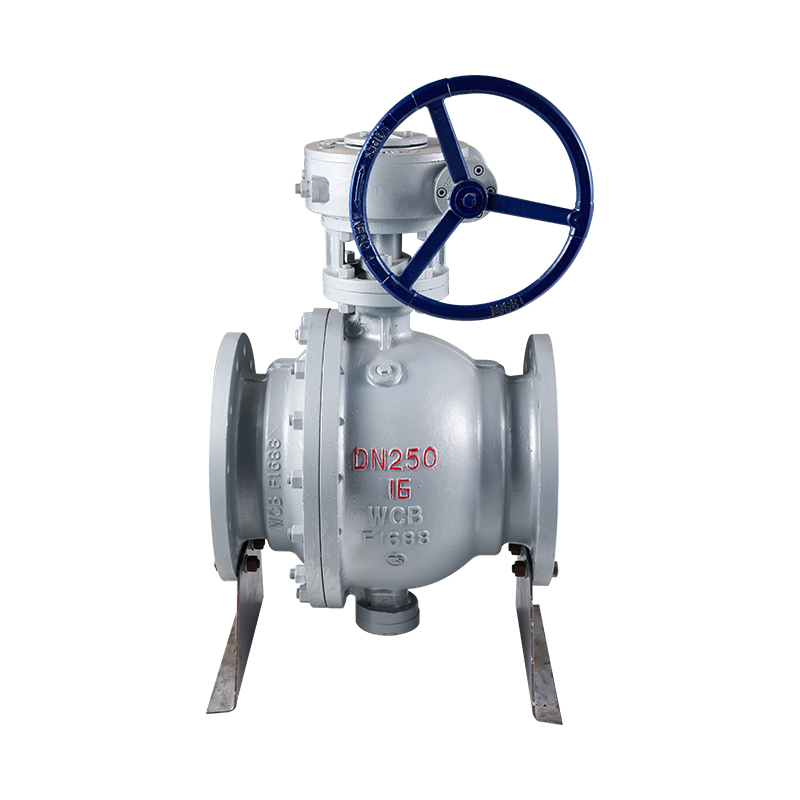
Following proper installation and maintenance procedures is essential for maximizing the performance and service life of cast steel ball valves. Partnering with reliable flanged ball valve suppliers like Zhejiang Xiongxiang Valve Co., Ltd. provides high-quality valves, technical support, and installation guidance. By carefully inspecting components, aligning flanges, applying correct torque, and conducting regular maintenance, industries can achieve safe, efficient, and long-lasting operation across petrochemical, power, water treatment, and chemical processing applications.
1. Pre-Installation Preparation
Inspection of Components: Before installation, check the valve body, ball, seats, and flange connections for any visible damage or debris. Clean all components thoroughly.
Verify Specifications: Confirm that the valve size, pressure rating, and material match the pipeline requirements and the standards (ANSI, DIN, JIS).
Gasket Selection: Choose appropriate gaskets based on operating temperature, pressure, and fluid type to ensure proper sealing and prevent leaks.
2. Flanged Connection Installation
Proper Alignment: Align the flanges carefully to prevent misalignment, which can cause leakage or stress on the valve body.
Bolt Tightening: Use a cross-pattern tightening sequence for flange bolts to achieve uniform compression of the gasket and avoid uneven stress.
Torque Specifications: Apply the manufacturer-recommended torque to bolts to prevent over-tightening or under-tightening, which could result in leakage or flange deformation.
3. Valve Operation Guidelines
Gradual Opening and Closing: Avoid rapid movement in high-pressure pipelines to reduce the risk of water hammer or mechanical stress.
Check Valve Rotation: Ensure the valve handle or actuator rotates smoothly and fully opens or closes the valve without resistance.
Initial Pressure Test: Conduct a pressure test after installation to verify sealing performance and identify potential leaks before full operation.
4. Maintenance nicely Practices
Regular Inspection: Periodically check for corrosion, wear, or leakage around flanges, seats, and stems.
Lubrication: Apply lubrication to moving parts where recommended by the manufacturer to maintain smooth operation.
Seat and Seal Replacement: Replace seats, seals, and gaskets as needed, especially in aggressive fluid environments, to maintain performance.
Documentation: Keep a maintenance log detailing inspection dates, repairs, and operational issues to track valve performance over time.
5. Common Installation Challenges and Solutions
Misalignment: Always measure and align the pipeline accurately before flange bolting. Misaligned valves can reduce sealing efficiency.
Debris in Pipeline: Clean the pipeline thoroughly before valve installation to prevent damage to the ball and seat surfaces.
Temperature Considerations: Account for thermal expansion in pipelines; allow slight clearance around flanges if operating at high temperatures.
Supplier Support: Working with knowledgeable flanged ball valve suppliers like Zhejiang Xiongxiang Valve Co., Ltd. ensures access to technical guidance to solve installation challenges.
6. Industry Applications
Petrochemical Plants: Proper installation ensures safety in high-pressure oil and gas pipelines.
Power Generation: Correct alignment and maintenance reduce the risk of failure in steam and cooling water systems.
Water Treatment Systems: Reliable operation prevents leaks and flow interruptions in municipal and industrial water pipelines.
Chemical Processing: Regular maintenance ensures valves maintain corrosion resistance and precise flow control.
Proper installation and maintenance are key factors for ensuring the longevity and reliable performance of a cast steel ball valve. When selecting flanged ball valve suppliers, Zhejiang Xiongxiang Valve Co., Ltd. provides valves with precise engineering and detailed guidance to support smooth installation and operation. Understanding nicely practices for installation, alignment, and maintenance helps prevent leaks, reduce downtime, and improve overall pipeline efficiency.