
 English
 中文简体
中文简体


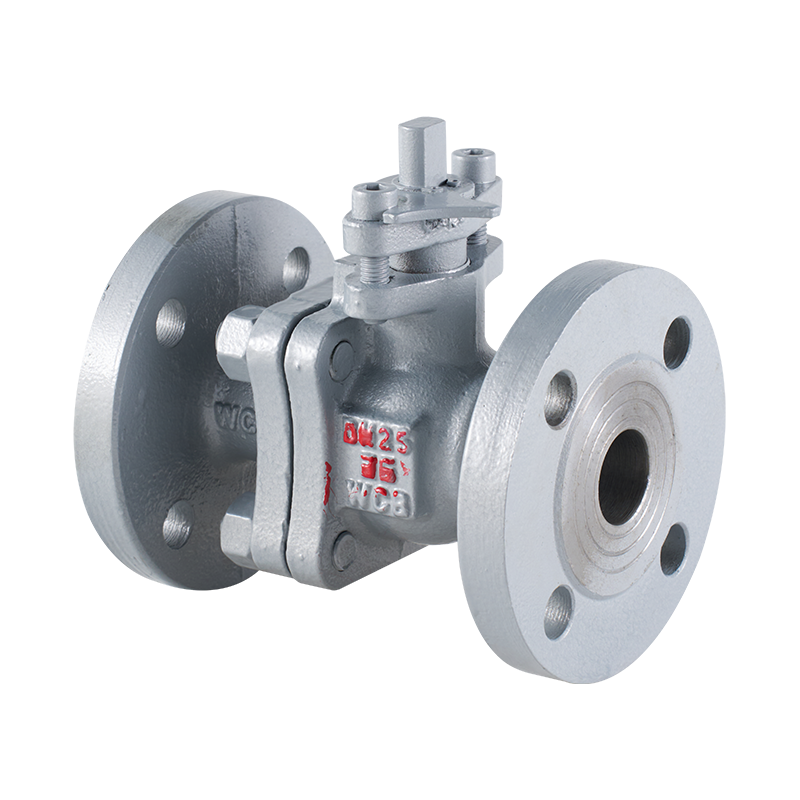
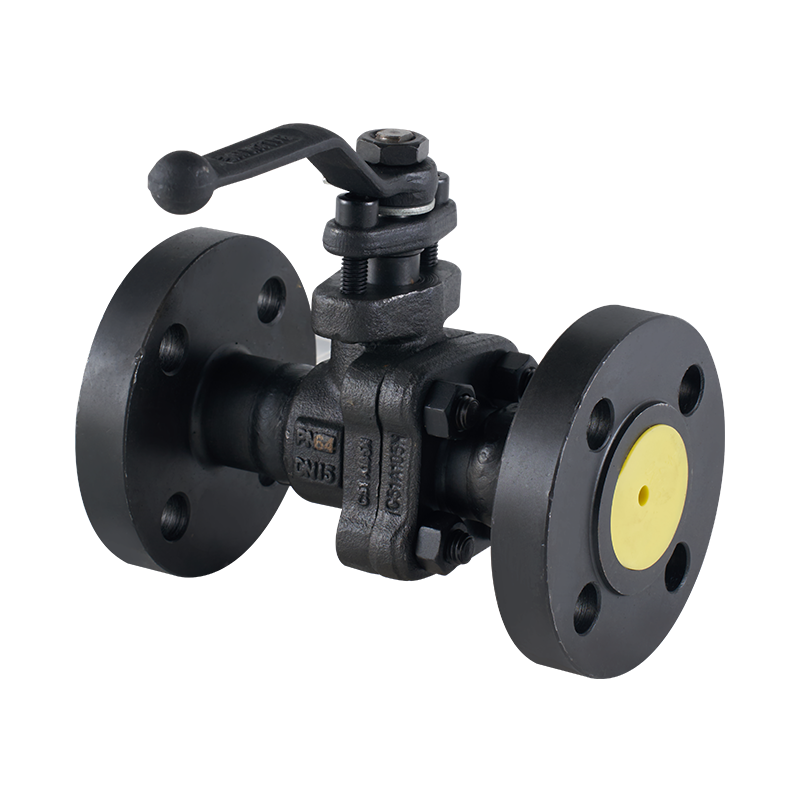
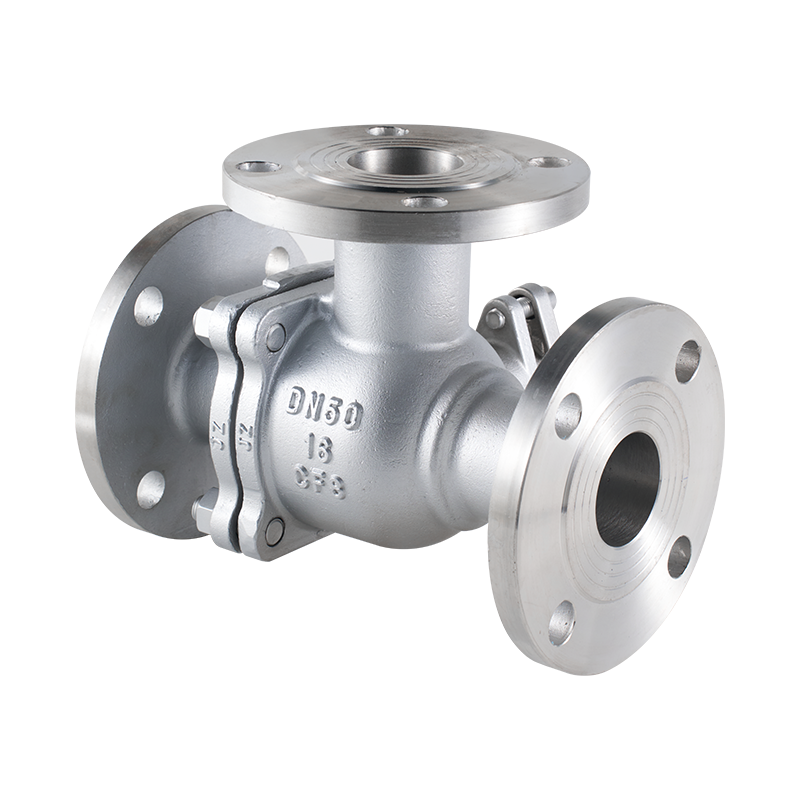
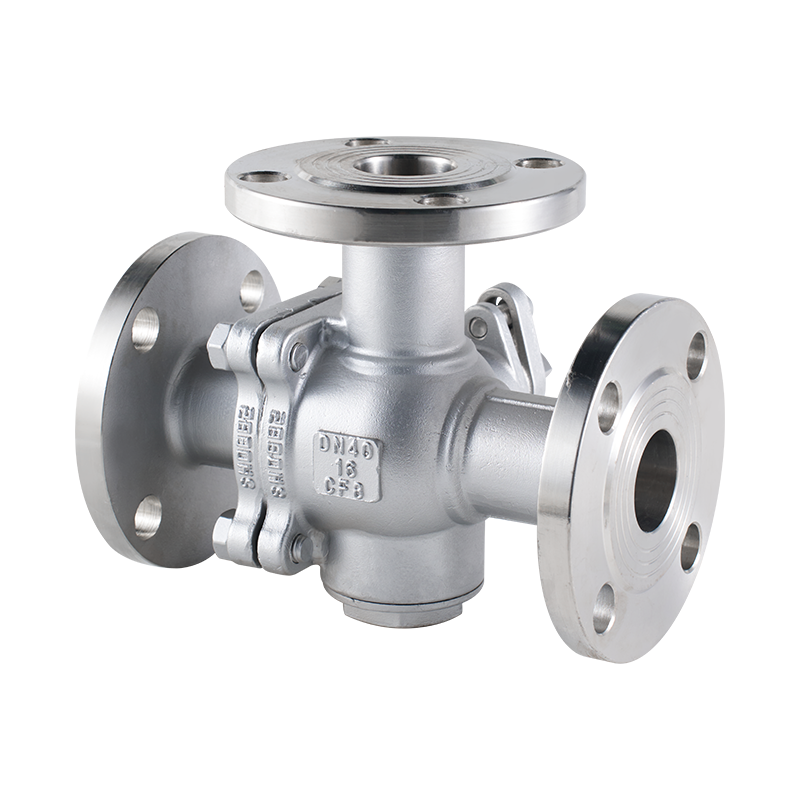
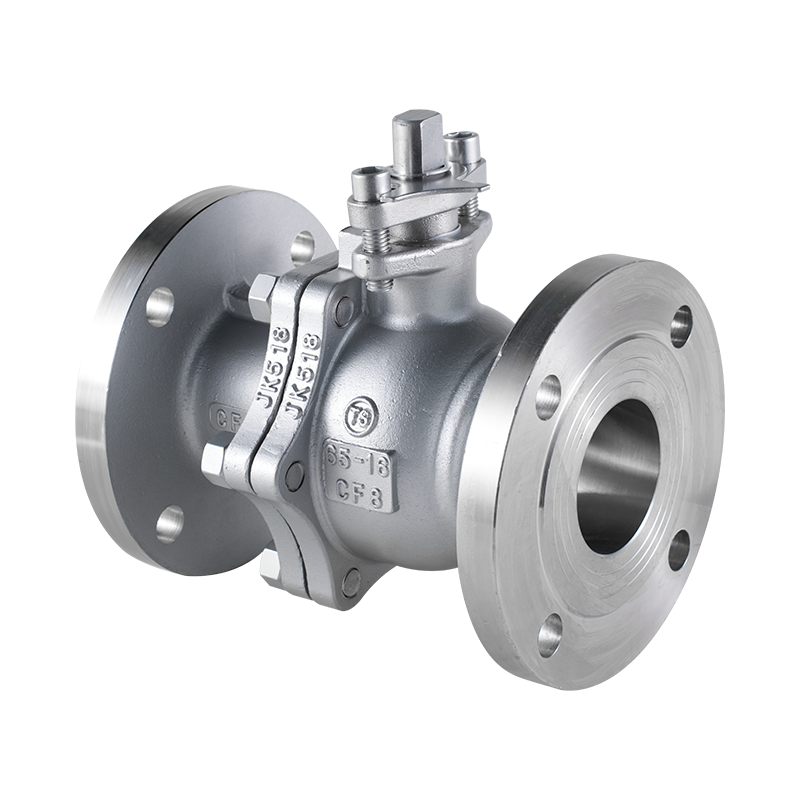
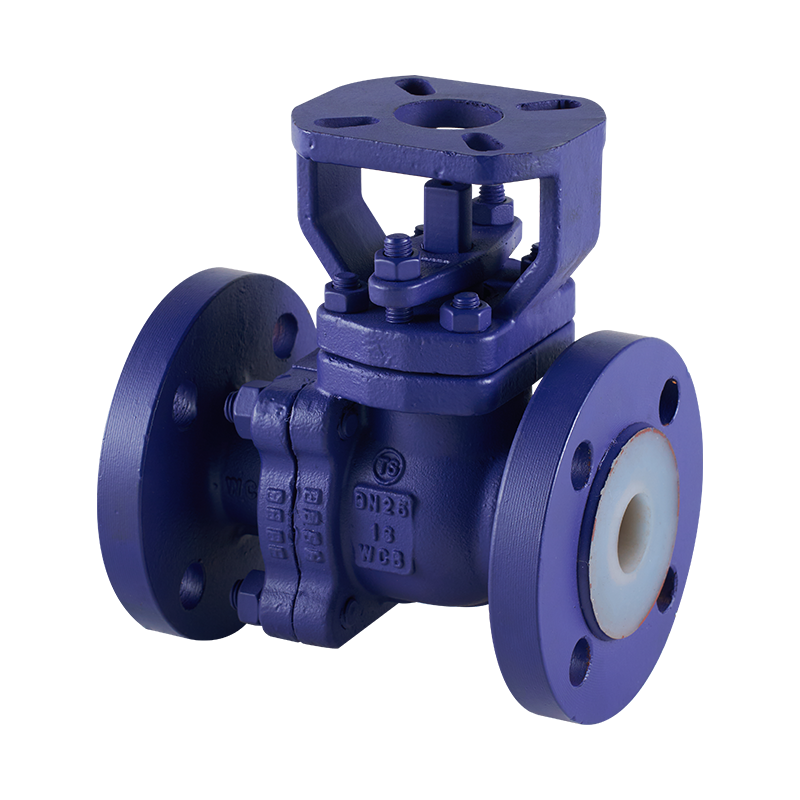
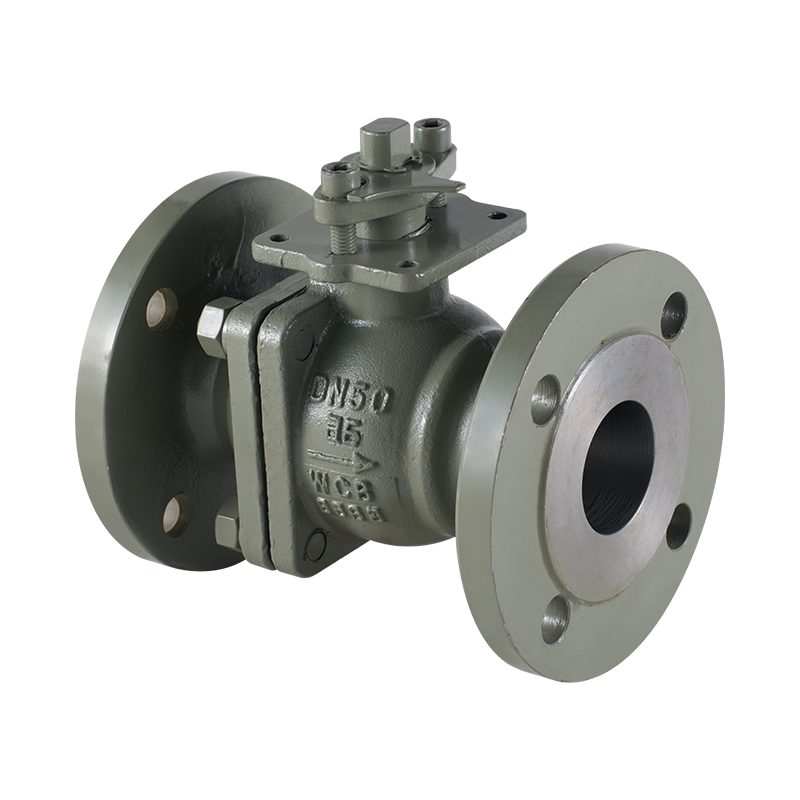
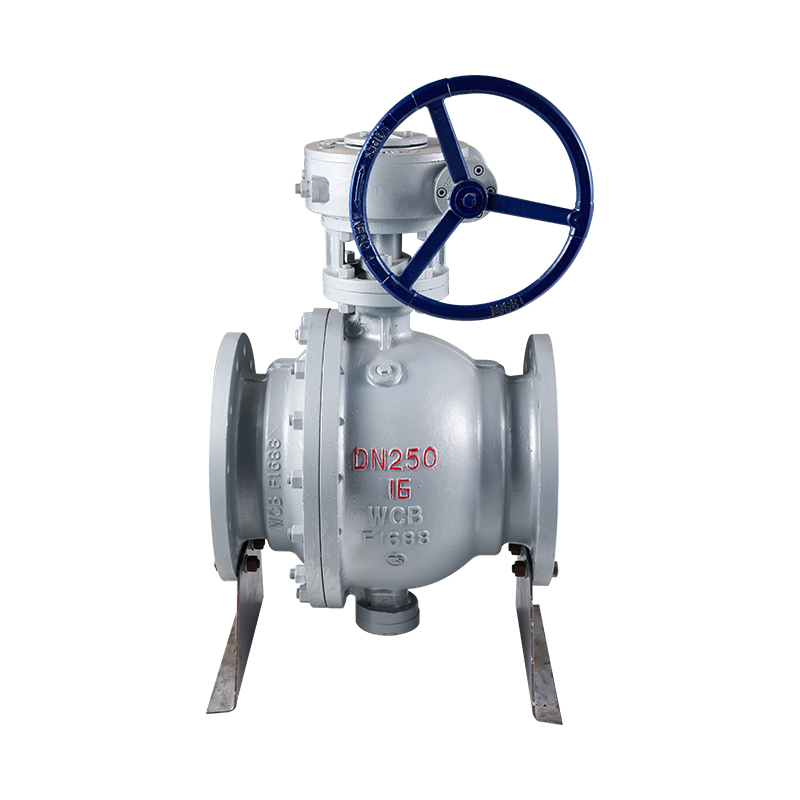
Proper selection of cast steel ball valve size and pressure rating is critical for ensuring reliable, safe, and efficient operation in industrial pipelines. Partnering with experienced flanged ball valve suppliers such as Zhejiang Xiongxiang Valve Co., Ltd. ensures access to high-quality valves, technical support, and customized solutions.
1. Understanding Valve Size and Flow Requirements
Nominal Pipe Size (NPS): The valve diameter should match the pipeline’s NPS to maintain good flow and prevent unnecessary pressure drop. Selecting the wrong size can result in turbulence, erosion, and operational inefficiency.
Flow Coefficient (Cv): Cv measures the capacity of a valve to allow fluid flow. Industrial systems require valves with an appropriate Cv rating to maintain desired flow rates, especially in large-scale pipelines.
Flanged Connection Standards: Flanged ball valves are manufactured according to ANSI, DIN, and JIS standards. Ensuring compatibility with existing pipeline flanges is crucial for safe and leak-free installation.
Special Configurations: Some applications may require trunnion-mounted or full-bore valves. Consulting with experienced suppliers can help determine the ideal configuration for the specific fluid, pressure, and temperature conditions.
2. Pressure Rating and Safety Considerations
Understanding Pressure Classes: Cast steel ball valves are available in various pressure classes (e.g., Class 150, 300, 600), which define the maximum allowable pressure under specific temperature conditions.
Safety Margins: Always select a valve rated higher than the maximum operating pressure to account for transient spikes or abnormal operating conditions.
Testing and Compliance: Trustworthy flanged ball valve suppliers perform pressure tests, leakage tests, and material inspections to ensure compliance with industry standards.
Critical Applications: In petrochemical, oil and gas, and power plants, selecting the correct pressure class is vital to prevent accidents, protect personnel, and avoid costly downtime.
3. Material and Performance Factors
Cast Steel Quality: High-quality cast steel offers mechanical strength, durability, and resistance to corrosion. The choice of material directly affects valve lifespan and operational reliability.
Ball and Seat Materials: Using stainless steel or corrosion-resistant alloys for the ball and seat ensures durability in chemically aggressive fluids. PTFE or reinforced polymer seats provide tight sealing and reduce wear.
Temperature Range: Cast steel valves can handle a wide range of temperatures, from sub-zero to over 400°C, making them suitable for steam, gas, water, or chemical pipelines.
Special Coatings: Some valves may include anti-corrosion coatings to extend life in particularly harsh environments, further improving operational reliability.
4. Supplier Selection and Customization
Experienced Suppliers: Partnering with professional flanged ball valve suppliers such as Zhejiang Xiongxiang Valve Co., Ltd. ensures adherence to ISO 9001 quality standards, providing confidence in the durability and reliability of the valves.
Customized Solutions: Suppliers can offer custom sizes, pressure ratings, flange standards, and material options tailored to specific industrial needs.
Technical Support: Trusted suppliers provide detailed guidance on valve selection, installation nicely practices, and maintenance procedures, helping avoid operational failures.
Timely Delivery: Industrial projects often depend on tight schedules, so a supplier’s ability to deliver valves promptly without compromising quality is critical.
5. Practical Applications and Industry Insights
Petrochemical Industry: Cast steel ball valves are essential for safely transporting crude oil, natural gas, and chemical fluids under high-pressure conditions.
Water Treatment and Distribution: Accurate valve sizing and pressure rating help maintain flow control and reduce leakage in municipal and industrial water systems.
Power Generation: Steam, cooling water, and fuel systems benefit from the reliability and durability of cast steel valves.