
 English
 中文简体
中文简体


Steam systems in industrial environments require stable flow control under high temperature and varying pressure conditions. In engineering design, ANSI Gate Valve and ANSI Globe Valve are often considered together when defining isolation and regulation functions. The ANSI Gate Valve is mainly used for shutoff service, while the ANSI Globe Valve is more commonly applied in steam flow regulation.
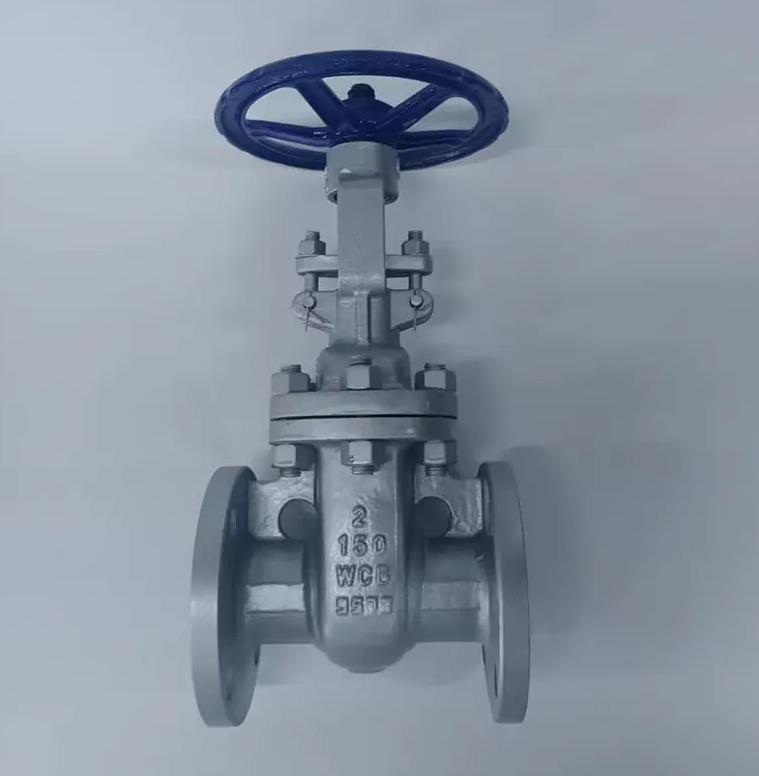
Globe Valve Role in Steam Applications
Globe valves are widely used in steam systems because they support controlled adjustment of flow. Their internal structure creates a regulated flow path, allowing gradual changes in steam delivery rather than abrupt switching.
In high-temperature service, this type of controlled operation helps maintain stable system conditions. Steam systems often require continuous adjustment, and globe valves are suitable for this type of service. Gate valves, by contrast, are generally limited to isolation duties in steam pipelines.
Flow Control Behavior Under Thermal Conditions
The internal design of globe valves directs flow through a curved passage, creating a controlled pressure drop. This supports incremental regulation of flow rates, which is important in steam distribution networks.
Under high temperature conditions, valve components must maintain structural stability. Thermal expansion and pressure variation can affect sealing performance, so stable mechanical alignment is necessary for consistent operation.
Globe valves are often selected for throttling service where gradual adjustment is required. This helps reduce instability in steam pressure during operation changes.
Material Selection for Steam Service
Steam applications require materials that can withstand elevated temperatures and repeated thermal cycling. Carbon steel is commonly used in general service, while alloy materials are selected for higher temperature resistance.
Stainless steel may be used in environments where corrosion resistance is also required. Sealing components must maintain durability under repeated thermal stress and mechanical movement.
Proper material selection helps ensure stable performance and reduces wear over time in continuous operation systems.
Globe Valve Design Variations
Globe valves are available in several configurations. Standard patterns are used for general flow regulation. Y-pattern designs reduce flow resistance and are suitable for higher-pressure systems. Angle designs change flow direction and simplify piping layout in certain installations.
These variations allow engineers to select designs based on flow conditions and system layout rather than using a single standard structure.
Operational Characteristics in Steam Systems
Globe valves are designed for continuous regulation rather than simple on/off operation. Their internal movement allows controlled adjustment of flow, supporting stable steam distribution.
In steam systems, sudden flow changes can cause pressure fluctuations. Globe valves help reduce this effect by enabling gradual transitions between operating states.
Actuation can be manual or automated, depending on system requirements. Automated systems are often used where remote adjustment is needed.
Functional Position of Gate and Globe Valves
In steam networks, ANSI Gate Valve and ANSI Globe Valve are used for different purposes. Gate valves are installed at isolation points, while globe valves are used in flow regulation sections.
Gate valves provide shutoff capability for maintenance or safety isolation. Globe valves control steam flow during normal operation. This separation of roles supports stable system operation.
Installation Considerations
Gate valves are installed in straight pipeline sections where full flow is required when open. Their design helps maintain low resistance during operation.
Globe valves are installed in sections where pressure drop can be managed. Their internal flow path makes them suitable for regulation rather than long-distance transport.
Proper placement of each valve type is important for maintaining system stability.
Reliability and Maintenance
Both valve types are designed for industrial steam service. Gate valves provide reliable isolation when used correctly, while globe valves deliver stable regulation performance under variable conditions.
Maintenance typically includes inspection of sealing surfaces, actuator condition, and body integrity. Regular checks help maintain consistent operation under thermal stress.
Interaction Between Isolation and Regulation
Steam systems rely on both isolation and regulation functions. Gate valves isolate pipeline sections, while globe valves manage flow adjustment in active circuits.
The combined use of ANSI Gate Valve and ANSI Globe Valve supports safe operation and stable steam control in high temperature applications.