
 English
 中文简体
中文简体


Oil and gas pipeline systems depend on reliable isolation and controlled flow management across upstream, midstream, and downstream operations. In engineering design, ANSI Gate Valve and ANSI Globe Valve are often evaluated together because they perform different roles within the same pipeline network. The ANSI Gate Valve is mainly used for isolation, while the ANSI Globe Valve is applied in flow regulation sections.
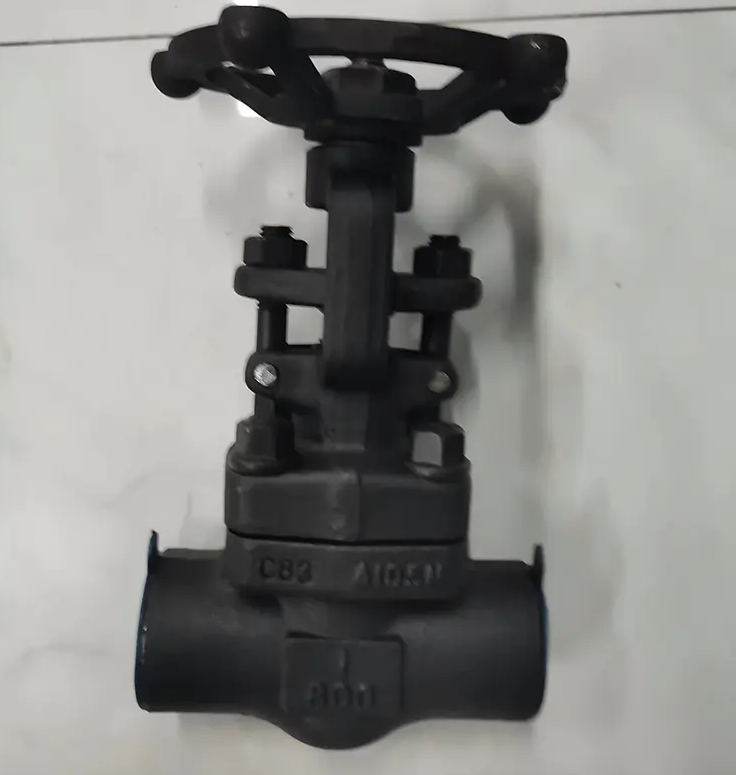
Gate Valve Function in Oil and Gas Systems
Gate valves are widely applied due to their straight-through flow path and full shutoff capability. This structure makes them suitable for pipeline sections where isolation is required without introducing significant flow resistance during normal operation.
In upstream systems, gate valves are used in wellheads, gathering lines, and production pipelines. These areas require dependable isolation for maintenance and operational safety.
In midstream systems, gate valves are installed in transmission pipelines and storage facilities. Their suitability for large-diameter pipelines supports stable transport conditions over long distances.
In downstream facilities such as refineries, gate valves are placed in isolation points and utility lines, supporting equipment shutdown and maintenance activities.
Operating Behavior in Field Use
Gate valves are designed for fully open or fully closed service. In pipeline operation, this helps maintain stable flow conditions with limited pressure loss during normal operation.
They are not intended for throttling. Partial opening may lead to vibration and uneven wear on sealing surfaces, which can affect long-term performance. Because of this, gate valves are mainly limited to isolation duties.
Actuation can be manual or automated, depending on system size. Manual operation is common in smaller lines, while gear or actuator-driven systems are used in larger facilities.
Material Selection in Oil and Gas Service
Oil and gas environments involve pressure variation, temperature changes, and corrosive media. Material selection is therefore an important part of valve specification.
Carbon steel is commonly used for general service conditions. Stainless steel is selected when corrosion resistance is required. Alloy materials may be used for higher strength needs.
Sealing components must maintain stability under repeated operation. Proper material matching helps reduce wear and supports consistent performance.
Globe Valve Role in Flow Regulation
While gate valves focus on isolation, ANSI Globe Valve applications are concentrated in flow regulation. Their internal structure creates a controlled pressure drop, allowing gradual adjustment of flow conditions.
In oil and gas processing systems, globe valves are used where flow rates need adjustment based on operational requirements. The movement of the closure element supports controlled regulation rather than simple on/off operation.
They are also commonly used in steam and utility systems where continuous adjustment is required under changing operating conditions.
Functional Distribution in Pipeline Systems
Oil and gas networks typically use both valve types together. Gate valves are installed at isolation points, while globe valves are placed in process control sections.
The ANSI Gate Valve provides pipeline segmentation for maintenance and safety operations. The ANSI Globe Valve supports flow adjustment during active production and processing.
This separation of functions allows different parts of the system to operate independently while maintaining stable overall performance.
Installation Considerations
Gate valves are installed in straight pipeline sections where full-bore flow is required. Their design helps maintain low restriction during operation.
Globe valves are installed where pressure drop can be managed. Their internal flow path makes them more suitable for regulation than long-distance transport.
Proper placement of both valve types is important in system design and affects overall operational efficiency.
Reliability and Maintenance
Both valve types are designed for industrial service conditions. Gate valves provide stable isolation when used correctly, while globe valves deliver consistent regulation performance.
Maintenance usually includes inspection of sealing surfaces, actuator condition, and body integrity. Regular checks help maintain stable operation and reduce unexpected downtime.
Interaction Between Isolation and Control
In oil and gas systems, isolation and control functions must work together. Gate valves provide separation of pipeline sections, while globe valves manage flow adjustment within process lines.
The combined use of ANSI Gate Valve and ANSI Globe Valve supports both operational safety and process flexibility across different stages of oil and gas systems.