
 English
 中文简体
中文简体


Industrial piping systems depend on different valve types to manage isolation and flow control under varied operating conditions. During early design stages, ANSI Gate Valve and ANSI Globe Valve are often reviewed together because they represent two fundamental but different approaches to pipeline control. The ANSI Gate Valve is mainly used for isolation, while the ANSI Globe Valve is more closely associated with regulated flow adjustment.
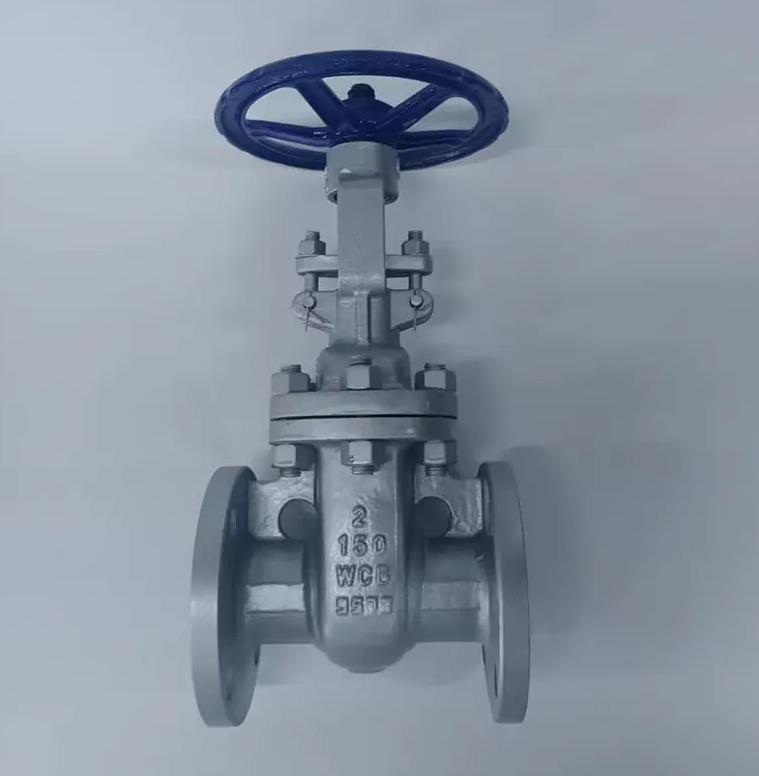
Basic Structure of Gate Valves
Gate valves are built with a straight-through flow path and a closure element that moves perpendicular to the flow direction. This structure allows the valve to provide either full open or full closed service with limited obstruction when fully open.
Common design variations include rising stem and non-rising stem configurations. Rising stem types offer clear position indication, while non-rising stem designs are used where installation space is limited. The sealing element may use wedge, flexible wedge, or split wedge structures depending on pressure and service requirements.
Bonnet design is another key factor. Bolted bonnets are widely used for general applications, while pressure-retaining designs are selected for higher pressure conditions. These structural choices influence maintenance access and long-term sealing stability.
Operating Characteristics of Gate Valves
Gate valves are intended primarily for isolation service. In the fully open position, flow resistance is relatively low due to the straight passage design. This makes them suitable for pipeline sections where pressure loss needs to remain controlled during steady flow.
However, gate valves are not designed for frequent throttling. Partial opening can lead to vibration and uneven wear on sealing surfaces. Because of this, operation is typically limited to fully open or fully closed positions.
Manual handwheels are common in smaller systems, while gear or automated actuation is used in larger installations. This allows integration into both simple and more complex pipeline networks.
Basic Structure of Globe Valves
Globe valves differ in internal geometry. The flow path is redirected within the valve body, creating a controlled pressure drop. This design supports gradual flow adjustment, which is the main reason globe valves are widely used in regulating applications.
The closure element moves along the flow axis, allowing precise positioning. This movement supports incremental adjustment of flow conditions rather than simple on/off control.
Design variations include standard pattern, Y-pattern, and angle pattern configurations. Each type affects flow resistance and installation layout in different ways.
Operating Characteristics of Globe Valves
Globe valves are suited for throttling and flow regulation. Their internal structure allows controlled adjustment of flow rates, making them useful in systems requiring frequent modulation.
The trade-off is higher flow resistance compared with straight-through valve designs. This pressure drop is generally accepted in exchange for better control performance.
Like gate valves, globe valves can be operated manually or through automated systems, depending on process requirements and control strategy.
Material Selection Factors
Both valve types are manufactured using materials selected according to pressure, temperature, and media conditions. Carbon steel is widely used for general service, while stainless steel is preferred in corrosive environments. Forged materials may be used in higher stress applications.
Sealing surfaces and internal components must maintain stability under repeated operation. Material compatibility plays an important role in reducing wear and extending service intervals.
Functional Roles in Piping Systems
Gate valves are mainly used for isolation in pipeline segments, while globe valves are used where flow adjustment is required. In many systems, both are installed together to support different functional requirements.
The ANSI Gate Valve provides secure shutoff points for maintenance or system segmentation. The ANSI Globe Valve allows controlled adjustment during normal operation, especially in process lines requiring flow regulation.
Design Relationship Between Gate and Globe Valves
Although their functions differ, gate and globe valves are often evaluated together during system design. Gate valves focus on isolation efficiency, while globe valves focus on flow control behavior.
In practice, both types contribute to system stability. Gate valves support safe separation of pipeline sections, while globe valves provide operational flexibility within active process lines.
The comparison between the ANSI Gate Valve and the ANSI Globe Valve is therefore not only structural but also functional, reflecting different roles within the same piping system environment.