
 English
 中文简体
中文简体


Industrial piping systems often require different valve structures to handle varying flow conditions, pressure levels, and installation constraints. In technical selection processes, ANSI Gate Valve and ANSI Globe Valve are frequently reviewed together because they represent two core approaches to pipeline control. The ANSI Gate Valve is generally used for isolation, while the ANSI Globe Valve is more focused on flow regulation and adjustment.
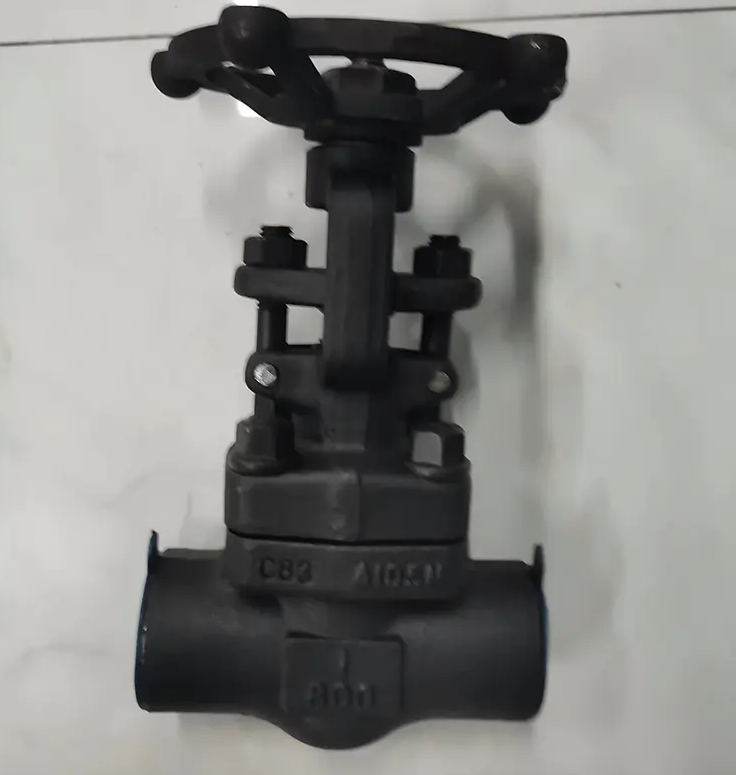
Role of Globe Valve Design in Flow Management
Globe valves are designed to support controlled flow regulation through internal geometry that redirects the flow path. This structure creates a pressure drop that enables gradual adjustment of flow rates, making them suitable for process control systems.
Unlike gate valves, which operate mainly in fully open or fully closed states, globe valves are designed for continuous positioning. This makes them more suitable for applications where flow conditions change during operation.
Standard Pattern Globe Valves
Standard pattern globe valves are commonly used in general industrial systems. Their internal flow path provides balanced control capability and is suitable for moderate regulation requirements.
This design is often applied in systems where flow adjustment is needed but where extreme pressure drop conditions are not present. It provides stable operation in routine process control environments.
Y-Pattern Globe Valves
Y-pattern globe valves are designed to reduce flow resistance compared with standard configurations. The angled internal structure allows smoother flow transition, making them suitable for higher pressure systems.
This design is often selected when pressure loss needs to be controlled while still maintaining regulation capability. It provides a balance between flow efficiency and adjustment performance.
Angle Globe Valves
Angle globe valves change the direction of flow by 90 degrees while maintaining regulation function. This design helps reduce the number of fittings required in a pipeline layout.
They are commonly used in systems where space is limited or where piping direction changes are required. The combined flow control and directional function supports simplified installation design.
Bellows Seal Globe Valves
Bellows seal globe valves are designed for applications where leakage control is important. The bellows structure provides an additional sealing layer that reduces the risk of external leakage.
This type is often used in systems where process media must be contained under strict operating conditions. It is suitable for applications requiring enhanced sealing reliability.
Flow Requirements and Valve Selection
Different flow conditions require different valve structures. Standard patterns are used for general regulation, Y-pattern designs are selected for reduced resistance, and angle designs are used for compact piping layouts. Bellows seal designs are applied in applications where sealing integrity is a key requirement.
In contrast, ANSI Gate Valve is not typically used for flow regulation but remains important in systems where isolation is required. This separation of functions helps define clear roles for each valve type in pipeline design.
Operational Characteristics of Globe Valves
Globe valves are designed for throttling and continuous adjustment. Their internal structure allows controlled movement of the closure element, which supports stable regulation of flow conditions.
Because of the internal flow redirection, globe valves naturally introduce a higher pressure drop than straight-through designs. This characteristic is acceptable in systems where control accuracy is more important than minimizing resistance.
Actuation methods include manual operation and automated control systems, depending on system complexity and operational requirements.
Installation Considerations
Globe valve installation depends on flow direction and system layout. Standard and Y-pattern valves are installed in straight pipeline sections, while angle valves are used where directional changes are required.
Proper installation ensures stable operation and helps maintain consistent flow behavior. Valve orientation and system layout both influence performance.
Functional Relationship with Gate Valves
In many piping systems, ANSI Gate Valve and ANSI Globe Valve are used together to support different operational needs. Gate valves provide isolation capability, while globe valves manage flow regulation within active process lines.
This combination allows pipeline systems to be segmented for maintenance while still supporting controlled operation during production.
Maintenance and Operational Stability
Globe valves require regular inspection of sealing surfaces and internal components to maintain stable performance. Gate valves also require periodic checks to ensure proper isolation capability.
Proper maintenance practices help extend service life and support reliable operation under varying process conditions.
Integration in Industrial Systems
Globe valve design selection is closely related to system requirements such as flow rate, pressure conditions, and installation constraints. Each design type offers different advantages depending on operational needs.
When combined with ANSI Gate Valve, globe valves contribute to a complete pipeline control strategy that supports both isolation and regulation functions within industrial systems.