
 English
 中文简体
中文简体

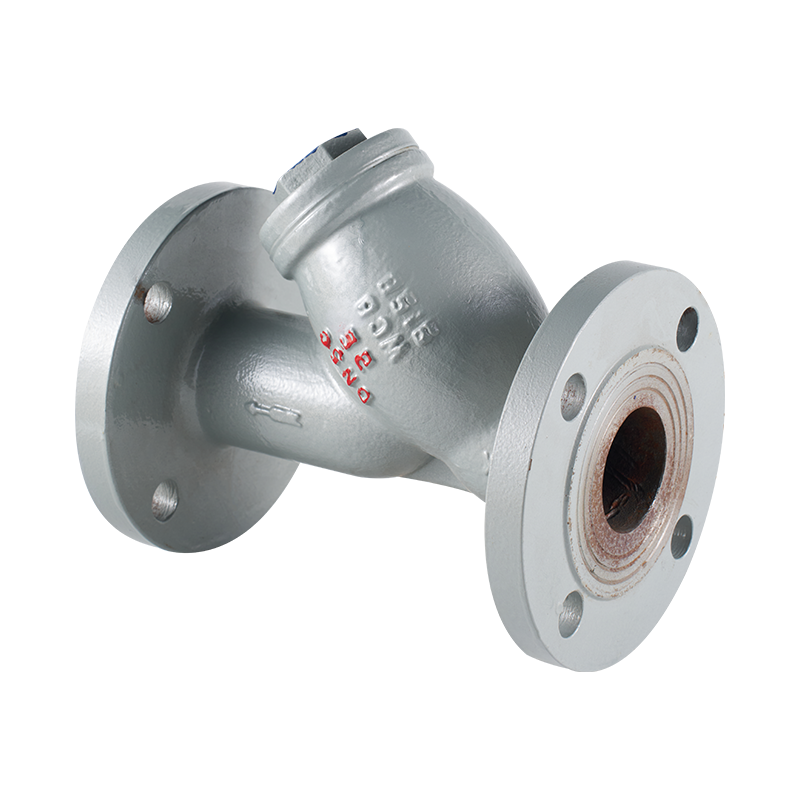
In industrial fluid systems, small oversights often lead to costly downtime. One component receiving renewed attention from plant engineers and procurement teams is the ANSI Y Type Strainer. As maintenance costs, equipment reliability, and lifecycle performance become bigger priorities across industries such as oil & gas, chemical processing, water treatment, and power generation, buyers are searching for practical ways to improve system protection without increasing operational complexity. Choosing the right strainer is no longer just about meeting pipeline requirements—it is about preventing avoidable failures while ensuring long-term efficiency.
Why Is Strainer Selection Becoming a Bigger Procurement Decision?
Recent industry discussions have focused on predictive maintenance, equipment longevity, and reducing unexpected shutdowns. While pumps, valves, and instrumentation often receive the most attention, experienced engineers recognize that upstream filtration directly affects the performance of these critical assets.
A properly selected ANSI-compliant Y strainer helps capture welding slag, rust, scale, and other pipeline debris before contaminants reach sensitive equipment. This simple preventive measure can significantly reduce maintenance frequency while helping facilities maintain stable flow conditions throughout daily operations.
For procurement teams, selecting a reliable manufacturer has become just as important as selecting the correct specification.
Common Problems That Often Result from Incorrect Strainer Selection
Many operational issues are not caused by the strainer itself but by choosing the wrong design or configuration. During project planning, engineers frequently evaluate several key factors:
- Pressure rating compatible with the pipeline system
- Mesh size suitable for the target contaminants
- Body material matching the process media
- Blow-off or drain connection for easier maintenance
- Installation orientation and available maintenance space
Balancing these considerations helps avoid excessive pressure drop, frequent cleaning cycles, or insufficient filtration performance after commissioning.
Material Compatibility Matters More Than Many Buyers Expect
Different operating environments require different material solutions. Carbon steel, stainless steel, duplex stainless steel, and specialty alloys each provide advantages depending on corrosion resistance, temperature range, and media characteristics.
As a manufacturer, we work closely with customers to understand actual operating conditions rather than recommending a universal configuration. This engineering-first approach helps buyers avoid unnecessary material costs while ensuring reliable long-term service life.
Many international buyers now also request complete material traceability and inspection documentation as part of their supplier qualification process, making manufacturing quality control increasingly important.
How Does Proper Filtration Protect Expensive Equipment?
A Y strainer serves as the first line of defense for downstream equipment. Without effective filtration, solid particles may gradually damage valve sealing surfaces, pump impellers, flow meters, control valves, and heat exchangers.
The benefits typically include:
- Reduced wear on rotating equipment
- More stable process performance
- Lower maintenance frequency
- Improved protection for automated control systems
- Easier scheduled maintenance planning
Although a strainer represents only a small portion of the total piping investment, its contribution to overall system reliability is often much greater than its relative cost.
What Overseas Buyers Are Asking Manufacturers Today
Global sourcing priorities continue to evolve. Beyond competitive pricing, engineering buyers increasingly evaluate suppliers based on technical responsiveness and manufacturing capability.
Typical purchasing questions include:
- Can customized mesh sizes be supplied?
- Are multiple flange standards available?
- What inspection procedures are followed before shipment?
- Can material certificates and pressure testing reports be provided?
- Is OEM or project-specific customization supported?
Manufacturers capable of providing clear technical communication alongside consistent production quality are often better positioned to support long-term industrial projects.
Manufacturing Quality Starts Long Before Final Inspection
Reliable performance begins with disciplined production processes. From raw material verification and machining accuracy to dimensional inspection and pressure testing, every manufacturing stage influences the final product's durability.
As an experienced manufacturer, we emphasize stable production control, strict quality management, and flexible customization for different industrial applications. Whether customers require standard configurations or project-specific solutions, our engineering team focuses on delivering products that align with international standards and practical operating requirements rather than one-size-fits-all solutions.
Selecting the Right Partner Supports Long-Term System Reliability
Industrial buyers increasingly recognize that reliable filtration contributes directly to operational efficiency and equipment protection. Selecting a well-designed ANSI Y Type Strainer involves more than matching pipeline dimensions—it requires evaluating material selection, manufacturing consistency, inspection standards, and supplier expertise. By working with an experienced manufacturer that understands real operating environments and supports customized engineering solutions, buyers can reduce maintenance challenges, improve equipment protection, and build more dependable piping systems for years to come.