
 English
 中文简体
中文简体

Understanding how a Flanged Y Strainer connects into a piping system is as important as choosing the right size and screen mesh. Like a Cast Steel Y Type Strainer, the connection method you choose affects installation flexibility, sealing performance, and long-term reliability. Many industrial users have asked which connection types are compatible with flanged strainers and how to decide between them based on system requirements.
Correct connection selection ensures that a Flanged Y Strainer integrates securely into your fluid system while simplifying maintenance access. At Zhejiang Xiongxiang Valve Co., Ltd., engineers frequently assist customers in matching connection styles to application demands — whether for steam, water, oil, or other process fluids.
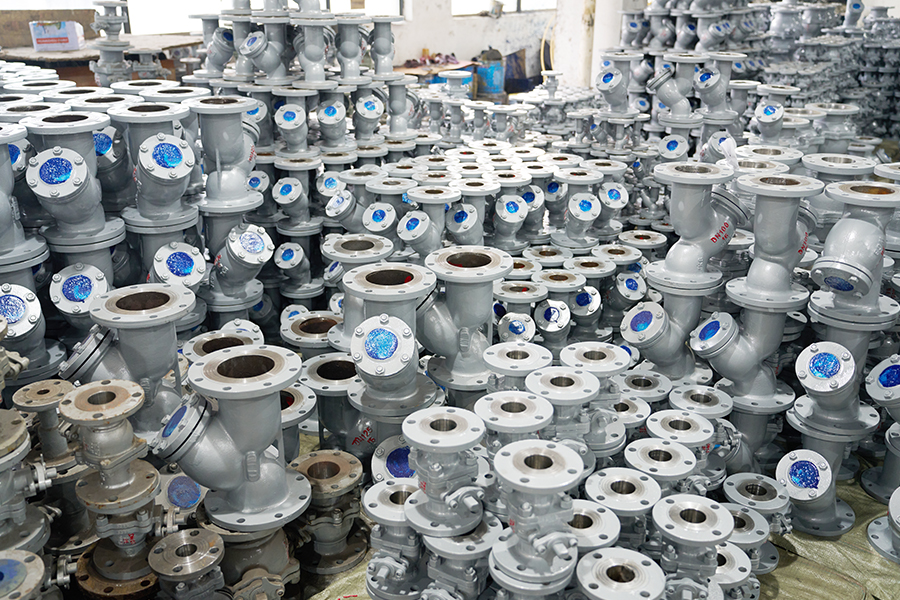
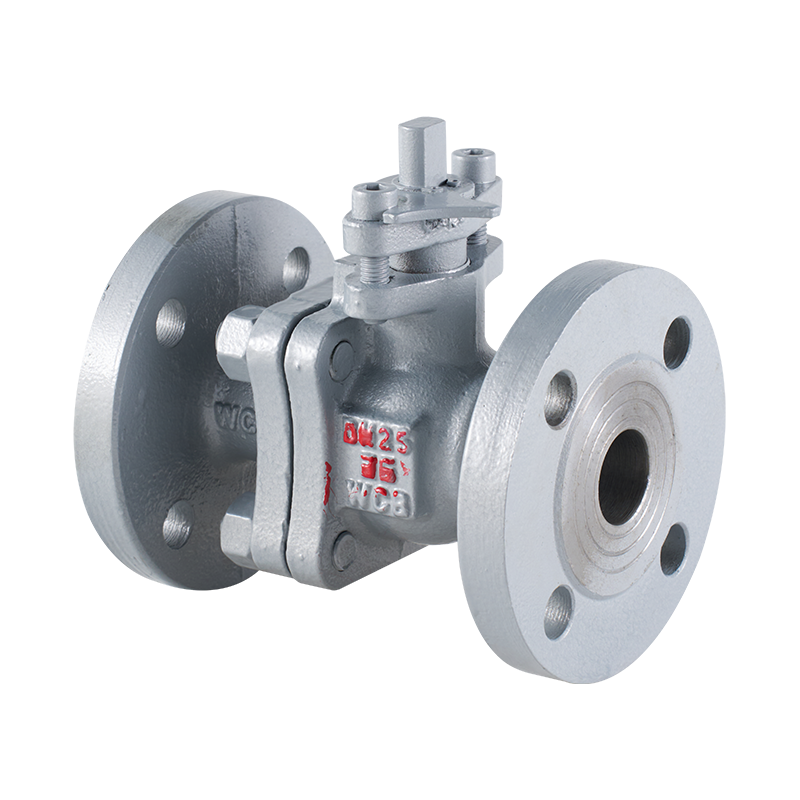
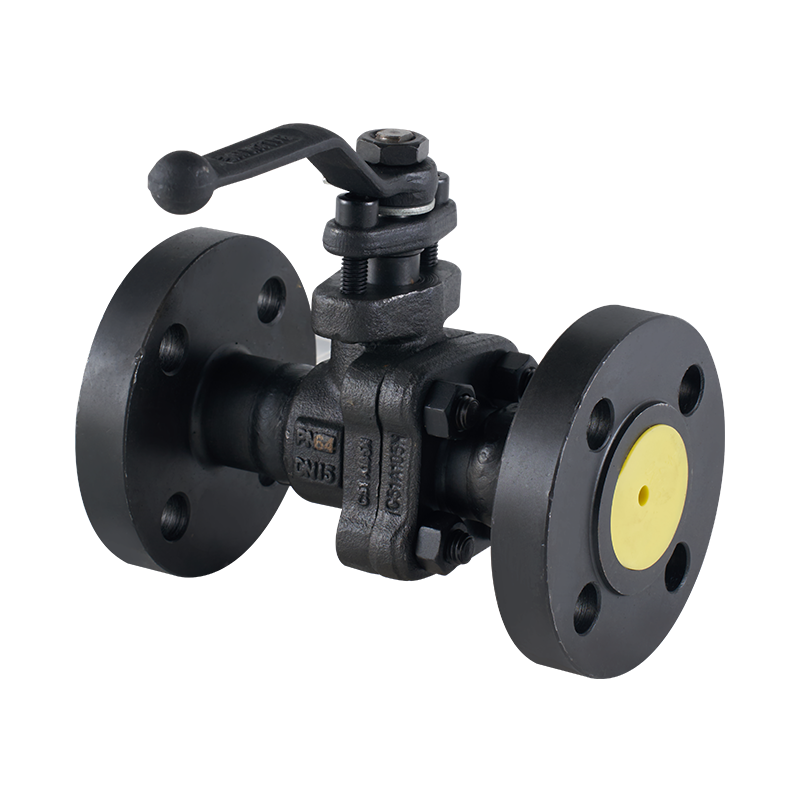
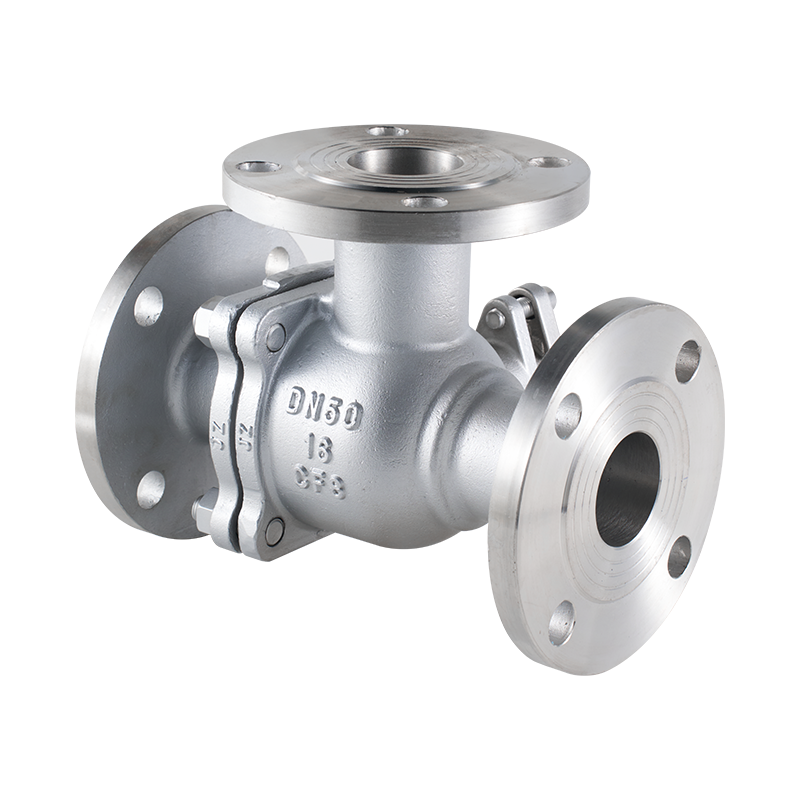
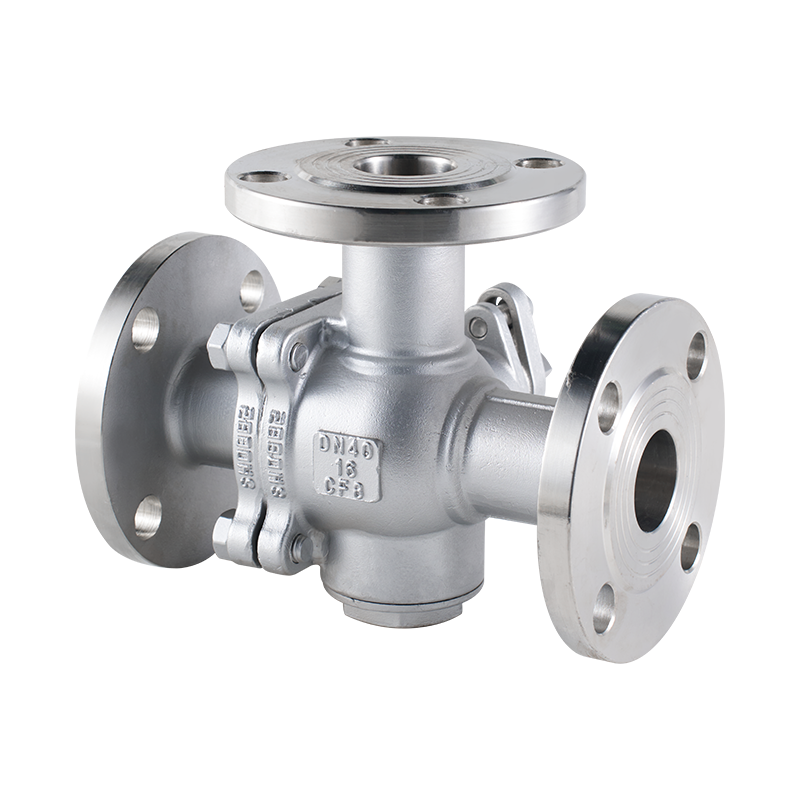
Flanged End Connections
By definition, a Flanged Y Strainer uses flanged end connections as one of its primary ways to join piping. A flange connection involves bolted joints with matching flange faces on the strainer and pipeline. Flanged strainers commonly conform to standards such as ANSI B16.5, which specify dimensions, pressure classes, and bolt patterns for various pipe sizes.
Robust sealing: Flanged joints are tightened with bolts, providing strong mechanical clamping and tight sealing that suits high-pressure systems.
Serviceability: Because flanges can be unbolted, the strainer can be removed for cleaning or screen replacement more easily than with welded ends.
Pressure ratings: Flanged Y Strainers are often rated for Class 150, 300, or higher, depending on the pipeline’s pressure and temperature needs.
Flanged ends remain a preferred choice in pipelines that require recurring maintenance or periodic inspection of the strainer screen.
Threaded (NPT) Connections
Some strainers — even those with flanged bodies in certain assemblies — may also be compatible with threaded connections at auxiliary ports or smaller branch lines. Threaded ends use tapered threads, such as National Pipe Taper (NPT), to create a seal by engaging male and female threads.
Smaller sizes: Threaded connections are more common on smaller diameter strainers, typically under 2" or 3".
Ease of assembly: Threaded installation does not require welding or flanges, making it convenient for retrofit applications or tight spaces.
Leak considerations: Proper thread sealant or tape must be applied to prevent leakage, especially in high-pressure systems.
While a Flanged Y Strainer uses flanges for the main inlet/outlet, threaded ports might appear on blow-off or drain connections, allowing convenient access for flushing or maintenance without disassembling the flanged joint.
Socket Weld and Butt Weld Connections
In applications where a permanent, high-integrity joint is required, socket weld or butt weld connections offer alternatives to flanged ends. These connections involve welding the pipe directly to the strainer body:
Socket weld: The pipe is inserted into a recessed area of the strainer end and fillet-welded around the joint. This method suits smaller-diameter pipelines and provides a solid, leak-resistant joint.
Butt weld: The pipe ends are aligned with matching bevels and welded in full penetration. It yields superior strength and minimal flow disturbance.
Both socket and butt weld connections are especially useful in high-pressure or high-temperature applications where flange gaskets might be less reliable or where space constraints limit flange use.
Combination Connections
Many modern Y strainers are manufactured with a mix of connection types to suit diverse piping layouts. For example, the primary flow path might use flanged ends for ease of maintenance, while a drain or blow-off port uses a threaded (NPT) or socket weld connection for auxiliary services.
This hybrid approach allows the advantages of flanged installation with the compactness and permanence of weld or thread connections in secondary lines.
How to Choose the Right Connection
Selecting a connection type for a Flanged Y Strainer — or deciding when to incorporate threaded or welded connections — depends on several factors:
Pressure and temperature conditions: High pressure often favors flanged or welded connections.
Maintenance frequency: If frequent screen cleaning is expected, easier removal via flanges is beneficial.
Pipeline layout constraints: Space limitations might make welds or threaded connections more practical.
Work with your engineering team or a valve specialist to match the connection type to operational needs. At Zhejiang Xiongxiang Valve Co., Ltd., our technical professionals can help recommend suitable configurations for both Cast Steel Y Type Strainers and Flanged Y Strainers based on your system conditions.