
 English
 中文简体
中文简体

Proper installation plays a crucial role in the performance of industrial strainers. A Cast Steel Y Type Strainer and a Flanged Y Strainer are commonly used to remove debris from pipelines and protect pumps, valves, and other downstream equipment. However, even the highest-quality strainer can fail to perform optimally if installed incorrectly. Many users have raised questions about how orientation affects strainer efficiency, cleaning, and longevity.
At Zhejiang Xiongxiang Valve Co., Ltd., we have observed that misunderstandings about orientation often result in premature clogging, reduced flow rates, or uneven wear on strainer screens. By understanding the relationship between flow direction and strainer orientation, operators can optimize system performance and avoid unnecessary maintenance.
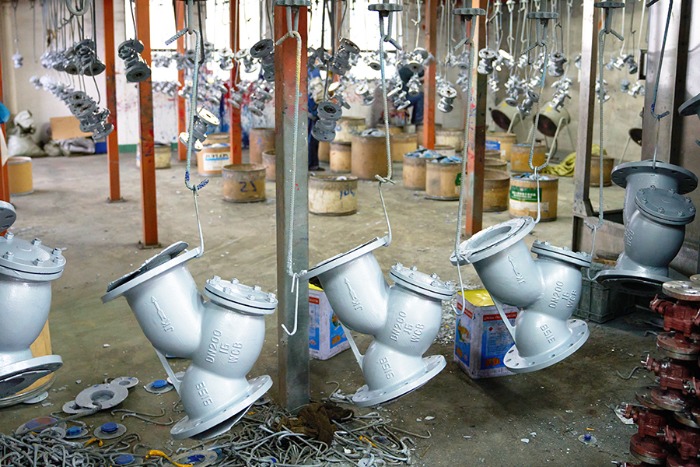
1. Horizontal vs. Vertical Orientation
One of the more common questions is whether a Y Type Strainer should be installed horizontally or vertically. The answer depends on the flow direction and the type of debris being filtered.
Horizontal pipelines: Installing the strainer in a horizontal line allows solids to settle naturally into the strainer leg. This orientation makes cleaning easier because the strainer basket can be removed without draining the entire system.
Vertical pipelines: In vertical installations, the flow must enter from the bottom and exit from the top. This ensures that debris is trapped effectively, rather than being pushed out by the fluid flow. Users often overlook this detail, resulting in poor filtration and frequent blockages.
Choosing the correct orientation helps maintain a consistent flow rate and reduces wear on the strainer basket and mesh.
2. Flow Direction Considerations
Flow direction is equally important as orientation. The body of a Cast Steel Y Type Strainer typically features a flow arrow, which indicates the correct installation direction. Installing the strainer against the flow can cause several issues:
Reduced filtration efficiency: Debris may bypass the screen or lodge unevenly.
Pressure drop: Misalignment increases resistance, putting extra strain on pumps.
Damage to components: Continuous exposure to high-velocity debris can deform the screen.
Operators should ensure the flow arrow matches the pipeline direction to prevent these problems.
3. Effect on Maintenance and Cleaning
Orientation also affects how easy it is to perform maintenance. A Flanged Y Strainer installed horizontally allows technicians to remove and clean the strainer basket without shutting down the entire system. Vertical installations, on the other hand, may require draining the pipeline or using additional valves to isolate the strainer.
Regular cleaning based on service conditions helps prevent clogging, prolonging the lifespan of the strainer and downstream equipment. Users often underestimate the convenience factor of proper orientation, but it significantly influences maintenance efficiency and safety.
4. System-Specific Factors
Different fluid systems may require specific installation practices:
High-viscosity fluids: Horizontal orientation may be preferable to avoid debris sticking to the basket.
Slurries or solids-heavy flows: Vertical orientation with flow entering from the bottom ensures solids settle in the strainer leg instead of accumulating at the entrance.
Space constraints: In some cases, piping layout dictates orientation, so it’s important to combine design constraints with strainer functionality.
Understanding the characteristics of the fluid and debris load ensures the selected orientation delivers maximum protection.
5. Expert Recommendations
Many users have questions about the “better” orientation for complex systems. While each system has unique requirements, following these guidelines helps:
Confirm flow direction and align with the arrow on the strainer body.
Install the strainer so that the basket can be accessed easily for cleaning.
Adjust orientation based on fluid type, particle size, and debris load.
Consult with technical experts to optimize performance in critical applications.
Zhejiang Xiongxiang Valve Co., Ltd. provides guidance on installation orientation for both Cast Steel Y Type Strainers and Flanged Y Strainers. Our engineers can advise on layout, cleaning access, and system compatibility to ensure consistent operation and minimal downtime.