
 English
 中文简体
中文简体

Corrosion problems remain one of the biggest challenges in industrial pipeline systems, especially across chemical processing, marine engineering, wastewater treatment, and high-temperature fluid transportation. Our company has seen many buyers compare material grades mainly by price, yet long-term operating performance often becomes the deciding factor. Products such as the Stainless Steel Y Type Strainer are frequently installed in demanding flow control systems where durability directly affects maintenance cycles and shutdown frequency. Meanwhile, many industrial projects also require an ANSI Y Type Strainer design to match international flange and pressure standards across global pipeline installations.
Material choice, therefore, becomes more than a purchasing issue. It affects operating stability, filtration reliability, and lifetime maintenance costs.
Understanding the Difference Between 304 and 316 Stainless Steel
Many industrial users initially compare 304 and 316 stainless steel because both materials appear visually similar and provide good corrosion resistance. The actual difference comes from chemical composition.
Typical Chemical Composition
| Material | Chromium | Nickel | Molybdenum |
| 304 Stainless Steel | 18%–20% | 8%–10.5% | None |
| 316 Stainless Steel | 16%–18% | 10%–14% | 2%–3% |
The added molybdenum element significantly improves resistance against:
- Chloride corrosion
- Saltwater exposure
- Acidic media
- Pitting corrosion
- Crevice corrosion
This upgrade explains the higher market price of 316 stainless steel valves and strainers.
Why Corrosion Resistance Matters in Y-Type Strainers
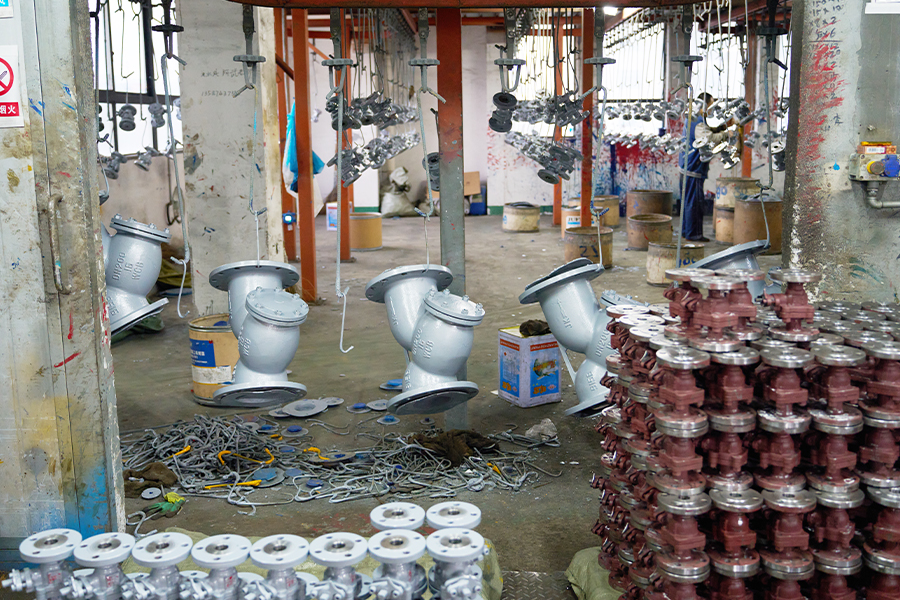
A Y-type strainer continuously intercepts debris, particles, rust, welding slag, and solid contaminants from pipeline systems. Internal mesh components remain in direct contact with flowing media during operation.
Aggressive fluids may gradually damage the internal screen and body material. Corrosion inside the strainer often causes:
- Mesh rupture
- Leakage risks
- Reduced filtration accuracy
- Increased pressure drop
- Frequent maintenance shutdowns
316 stainless steel helps reduce these risks substantially in harsh environments.
Common Media Suitable for 316 Stainless Steel
- Seawater
- Chlorinated water
- Chemical solvents
- Acidic liquids
- Coastal industrial atmospheres
- Pharmaceutical fluids
- Food-grade processing liquids
Our company commonly recommends 316 stainless steel strainers for marine projects and chemical plants where standard stainless steel may experience premature deterioration.
Cost Difference Between 304 and 316 Stainless Steel
Raw material pricing fluctuates with nickel and molybdenum markets, but 316 stainless steel generally costs:
- 20%–40% more than 304 stainless steel
- Higher machining cost due to increased hardness
- Slightly higher welding requirements
Despite the higher initial investment, total ownership cost may actually decrease over the years of operation.
Long-Term Economic Comparison
| Factor | 304 Stainless Steel | 316 Stainless Steel |
| Initial Cost | Lower | Higher |
| Corrosion Resistance | Moderate | High |
| Maintenance Frequency | Higher | Lower |
| Service Life | Standard | Extended |
| Chloride Resistance | Limited | Strong |
Projects operating continuously often recover the additional material cost through reduced maintenance and fewer replacement intervals.
Technical Features of Modern Y Type Strainers
Our company manufactures multiple industrial filtration solutions designed around international standards and demanding pipeline conditions.
Common Technical Parameters
- Size Range: DN15–DN600
- Pressure Rating: Class 150–Class 600
- Connection Standards:
- ANSI B16.5
- DIN
- JIS
- BS
- Body Materials:
- WCB Carbon Steel
- CF8 Stainless Steel
- CF8M Stainless Steel
- Screen Material:
- SS304
- SS316
- Filtration Accuracy:
- 10 mesh to 200 mesh
- Operating Temperature:
- -29°C to 425°C
These specifications allow the strainer to perform effectively across multiple industrial sectors.
Industries That Commonly Prefer 316 Stainless Steel
Certain industries treat corrosion resistance as a critical safety requirement rather than an optional upgrade.
Marine Engineering
Saltwater contains high chloride concentrations capable of attacking ordinary metals rapidly. 316 stainless steel performs far better in offshore environments and shipbuilding systems.
Chemical Processing
Acidic and reactive chemicals often shorten the service life of standard stainless components. 316 material improves operational stability and reduces unexpected failures.
Food and Beverage Production
Food-grade systems require hygienic surfaces and resistance against cleaning chemicals. 316 stainless steel supports sanitary processing requirements while maintaining structural integrity.
Pharmaceutical Manufacturing
Sterile environments demand materials with strong corrosion resistance and smooth surface finishes. 316 stainless steel helps maintain contamination control standards.
Cases Where 304 Stainless Steel May Still Be Enough
Not every project requires 316 stainless steel. Many standard industrial systems operate successfully with 304 material.
Typical suitable applications include:
- Clean water systems
- General HVAC pipelines
- Low-corrosion industrial fluids
- Indoor mechanical systems
- Non-chloride environments
Budget-sensitive projects often choose 304 stainless steel due to lower procurement costs.
Our company usually evaluates:
- Fluid composition
- Chloride content
- Temperature range
- Working pressure
- Outdoor exposure
- Maintenance expectations
before recommending a final material solution.
ANSI Standards Still Play a Major Role
Material grade alone does not determine product quality. Dimensional and pressure compliance also matter in industrial pipeline engineering.
An ANSI Y Type Strainer supports compatibility across international piping systems using standardized flange dimensions and pressure classes.
Common ANSI Standards Used
- ANSI B16.5 Flange Standard
- ANSI Class 150
- ANSI Class 300
- ANSI Class 600
Standardized dimensions simplify:
- Installation
- Maintenance replacement
- International procurement
- System integration
Our company exports industrial strainers to multiple overseas markets where ANSI specifications remain widely requested.
Factors That Help Determine Whether 316 Is Worth It
Decision-making should balance both technical performance and operating economics.
316 Stainless Steel Usually Makes Sense Under These Conditions
- High chloride concentration
- Outdoor coastal environments
- Expensive maintenance shutdowns
- Long operating cycles
- Corrosive chemical media
- High sanitation requirements
304 Stainless Steel May Remain Practical Under These Conditions
- Mild operating environments
- Lower operating temperatures
- Limited corrosion exposure
- Tight procurement budgets
- Easy maintenance access
Material upgrades should align with actual application conditions rather than marketing claims alone.
Future Demand Continues Growing
Industrial infrastructure upgrades continue pushing demand toward higher corrosion-resistant materials. Many engineering firms now prioritize lifecycle cost analysis instead of focusing only on initial equipment price.
316 stainless steel strainers continue gaining popularity across:
- LNG projects
- Desalination plants
- Offshore platforms
- Renewable energy systems
- High-purity process industries
Our company expects growing demand for customized filtration products combining corrosion resistance, international standards compliance, and extended service life.