
 English
 中文简体
中文简体


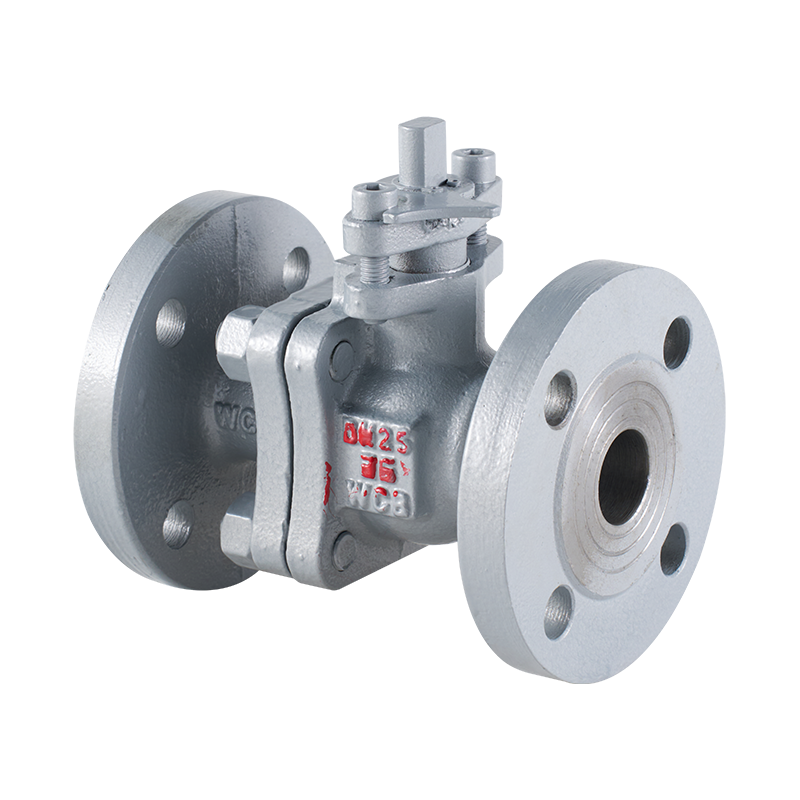
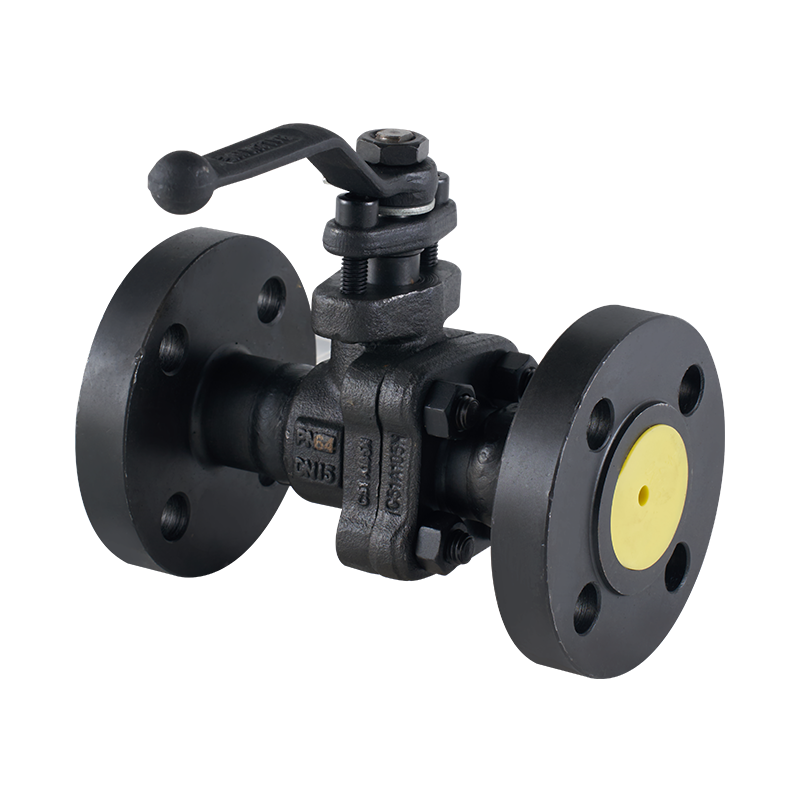
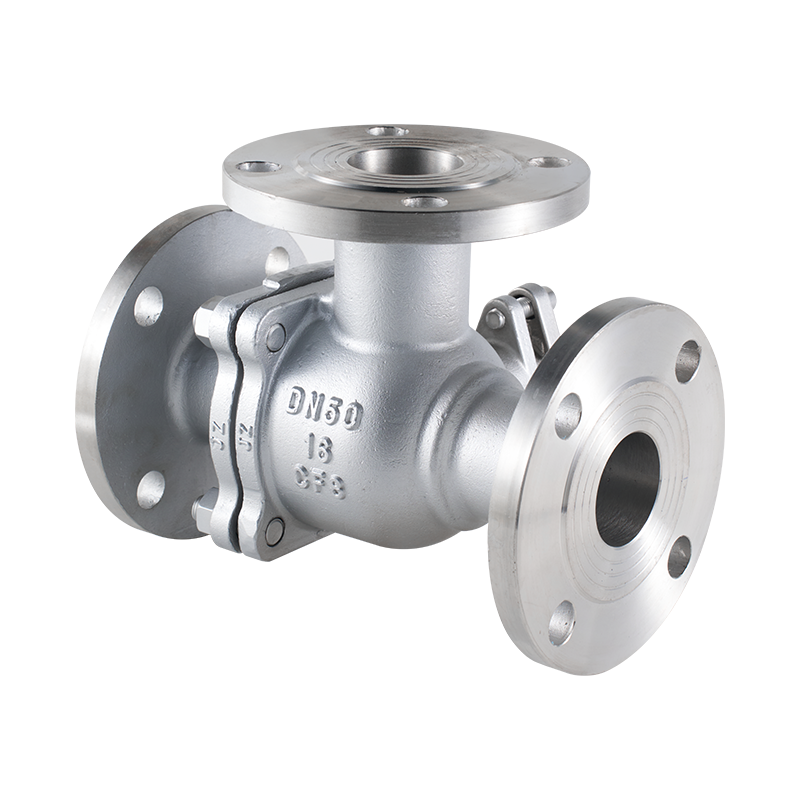
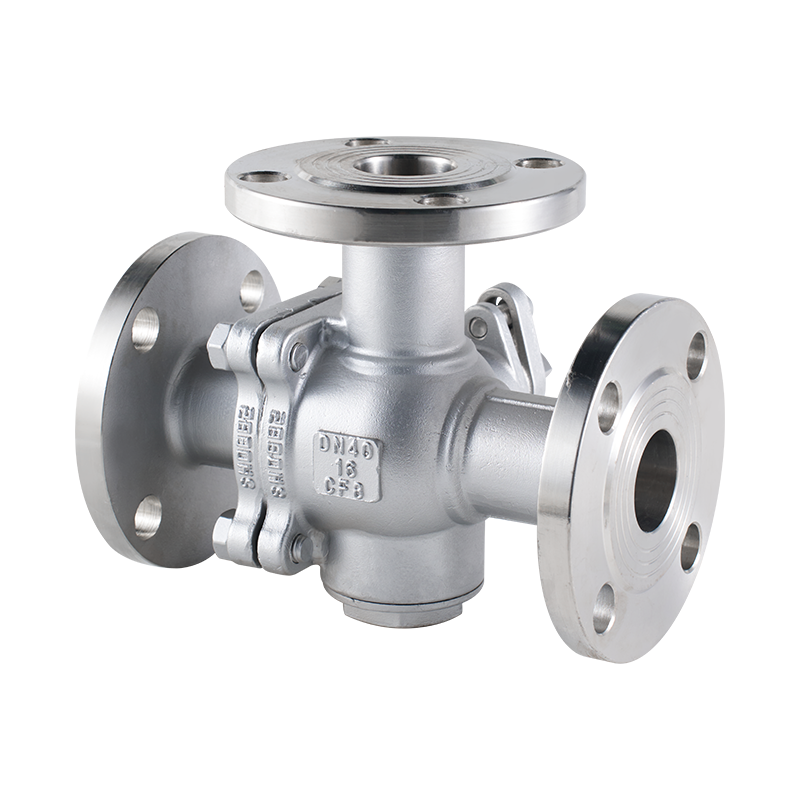
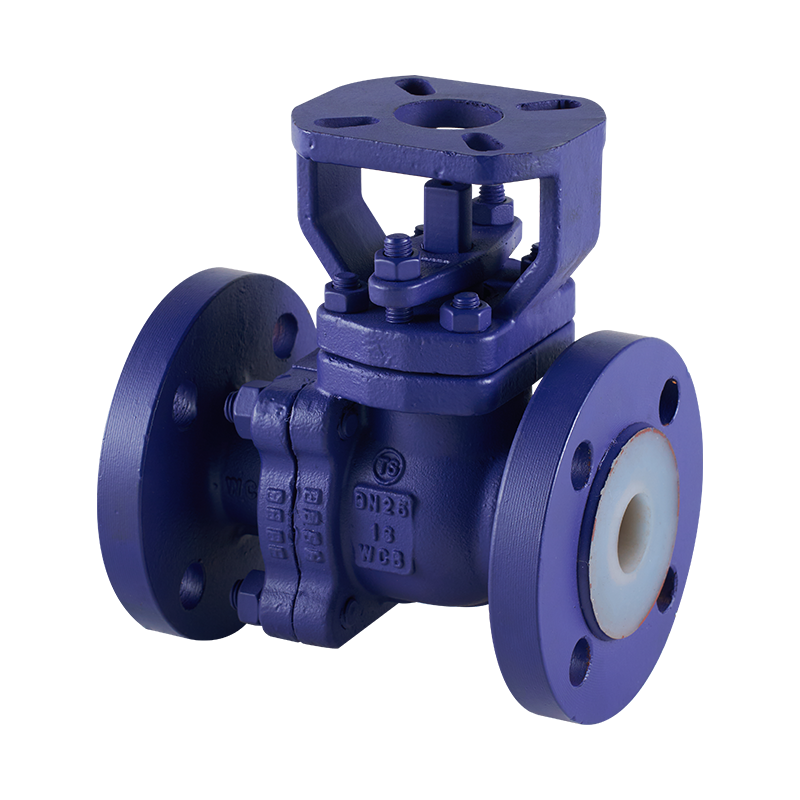
Frequent valve operation can gradually affect sealing performance, operating torque, and maintenance requirements in industrial pipeline systems. For facilities handling oil, gas, process water, or other industrial fluids, choosing the right Cast Steel Ball Valve involves evaluating pressure ratings, operating frequency, seat design, and service conditions. Understanding these factors helps procurement teams select suitable equipment and reduce avoidable downtime.
Understanding Wear in Frequently Operated Valves
Every opening and closing cycle places mechanical demands on the ball, seats, stem, and related components. The actual wear rate depends on fluid characteristics, differential pressure, temperature, and operating practices. Abrasive particles or unsuitable throttling conditions may increase damage to sealing surfaces.
For high-cycle applications, engineers should provide the expected operating frequency and clarify whether the valve will perform isolation or flow-control duties. A standard on-off valve should not automatically be used for continuous throttling unless its design and operating limits support that service.
Selecting Suitable Seats and Sealing Materials
Seat selection plays an important role in maintaining shutoff performance over repeated cycles. Soft seats can provide effective sealing for compatible media and operating conditions, while metal seats may be appropriate for certain high-temperature or abrasive applications.
When specifying a valve for industrial pipelines, buyers should evaluate:
- Process fluid compatibility with seat and seal materials.
- Operating temperature and pressure differential.
- Required leakage acceptance criteria.
- Potential exposure to suspended solids or abrasive particles.
These details help manufacturers recommend a configuration that balances sealing requirements with expected service conditions.
Managing Operating Torque and Actuator Sizing
Increasing operating torque can indicate changes in friction, process conditions, or component condition. Selecting an actuator based solely on nominal valve size may result in unreliable operation if the available torque does not meet actual requirements.
For automated applications, the selection process should account for operating torque under relevant conditions, actuator output, supply pressure or voltage, and the required safety margin. Engineers should also confirm that the actuator and mounting arrangement are compatible with the valve stem and operating mechanism.
Avoiding Problems During Installation
Incorrect installation can introduce stresses or operational difficulties unrelated to manufacturing quality. Before installation, technicians should verify flange alignment, gasket selection, bolt-tightening procedures, and pipeline cleanliness.
The valve should be installed in the orientation permitted by the manufacturer's instructions. Where an actuator is fitted, sufficient clearance should be provided for operation, inspection, and future servicing. These checks help prevent unnecessary loads on the valve body and connected piping.
Establishing a Practical Inspection Routine
Maintenance intervals should reflect service severity, operating frequency, and equipment history rather than a fixed schedule applied to every application. Routine inspections can identify external leakage, loose connections, abnormal noise, or changes in operating behavior before they develop into larger problems.
A practical inspection plan may include:
- Checking the stem packing and body joints for visible leakage.
- Recording unusual changes in opening or closing torque.
- Verifying actuator response and control signals.
- Reviewing maintenance records for recurring operational issues.
Any suspected internal damage or pressure-boundary defect should be assessed by qualified personnel before the valve is returned to service.
Verifying Manufacturing Quality Before Delivery
A reliable supplier should be able to explain its inspection procedures and provide documentation relevant to the purchase specification. Depending on project requirements, this may include dimensional inspection, material traceability, pressure testing, and verification against applicable standards such as API 6D or API 598.
As a manufacturer, we recommend agreeing on inspection scope, acceptance criteria, and documentation requirements before production begins. Clear expectations help reduce delays during customer inspection and project handover.
Making High-Cycle Valve Procurement More Effective
A successful purchasing decision combines technical suitability, operational reliability, and maintainability. Before requesting a quotation, prepare the process medium, pressure and temperature range, expected cycle frequency, connection dimensions, seat and seal requirements, and automation details. Providing this information helps suppliers assess the application and propose a suitable configuration.
For your next industrial pipeline project, share your operating conditions and inspection requirements with our team to discuss a suitable Cast Steel Ball Valve configuration. Reviewing specifications, material compatibility, and actuator needs before ordering can help reduce selection errors, avoid unnecessary revisions, and support reliable operation over the intended service life.