
 English
 中文简体
中文简体

Industrial pipeline operators increasingly focus on valve reliability, maintenance planning, and compatibility with demanding service conditions. A properly specified Cast Steel Ball Valve can support dependable shutoff in oil and gas facilities, chemical processing systems, and industrial water applications. However, selecting the right valve requires more than matching pipe size and pressure class. Material compatibility, sealing performance, operating conditions, and inspection requirements all influence long-term performance.
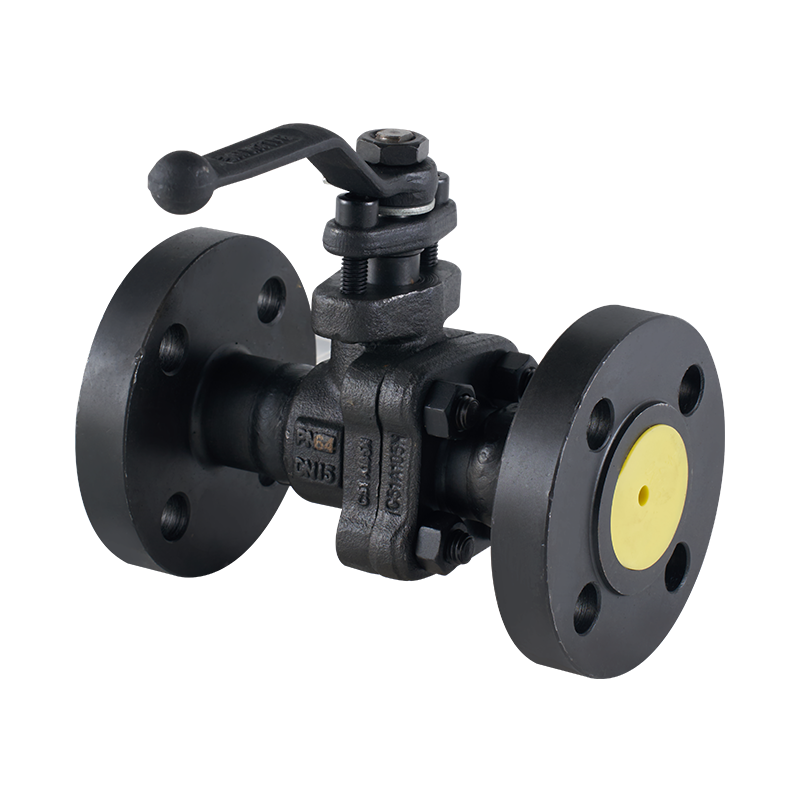
Matching Pressure Ratings to Actual Operating Conditions
One common purchasing mistake is selecting a valve based only on normal working pressure. Pressure fluctuations during startup, shutdown, or process changes can place additional stress on the valve body and sealing components. Buyers should confirm the required pressure class against the applicable pressure-temperature rating and project specifications.
As a manufacturer, we recommend reviewing both normal operating conditions and foreseeable pressure surges before finalizing a purchase. This helps engineers identify a suitable high-pressure cast steel ball valve without relying on assumptions that may lead to premature wear or leakage.
Choosing Materials for the Process Medium
Cast steel is widely used in industrial valve bodies because it provides a practical combination of strength and structural versatility. Nevertheless, the body material alone does not determine whether a valve suits a particular application. Corrosive chemicals, moisture, suspended particles, and elevated temperatures can affect internal components differently.
When evaluating a cast steel ball valve for oil and gas applications, buyers should specify the process medium, operating temperature, and relevant chemical properties. Seat and seal materials must also be compatible with the fluid. For corrosive service, additional material requirements or protective measures may be necessary.
Preventing Leakage Through Proper Seat Selection
Seat performance directly affects shutoff reliability. Soft-seated designs can provide effective sealing in suitable applications, while metal-seated configurations may be considered for certain demanding temperature, pressure, or abrasive-service conditions. Neither option is universally suitable; the decision depends on the actual operating environment.
Before ordering, procurement teams should clarify the required leakage criteria, seat material, and applicable testing standard. These details help prevent misunderstandings between the valve supplier, engineering team, and end user.
Checking Valve Design and Installation Requirements
A valve that meets the basic technical specification may still create installation problems if its connections or operating arrangements do not match the pipeline layout. Face-to-face dimensions, flange standards, flow passage, stem orientation, and actuator clearance should therefore be reviewed before shipment.
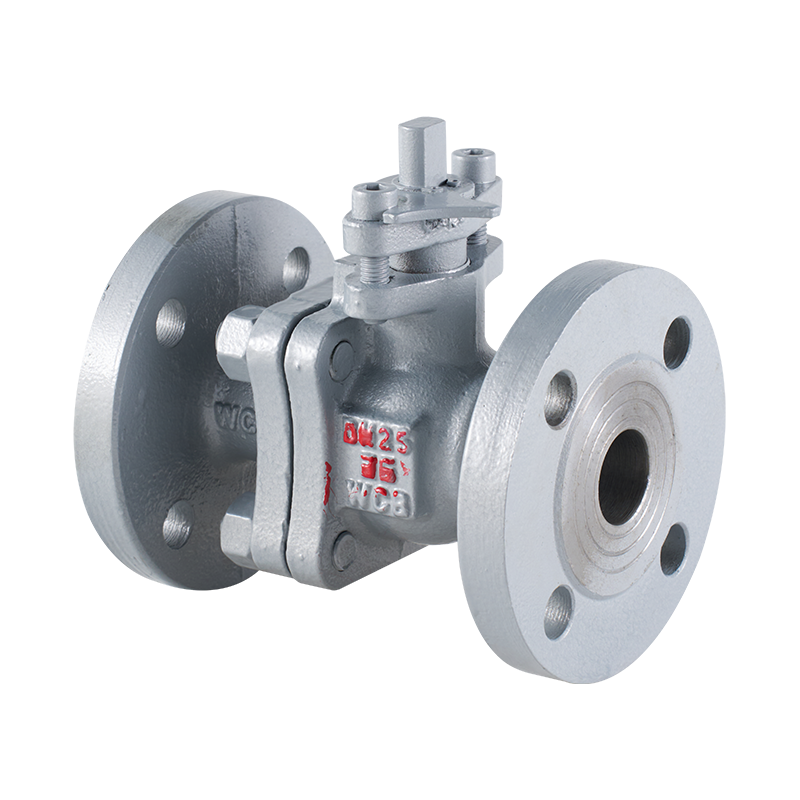
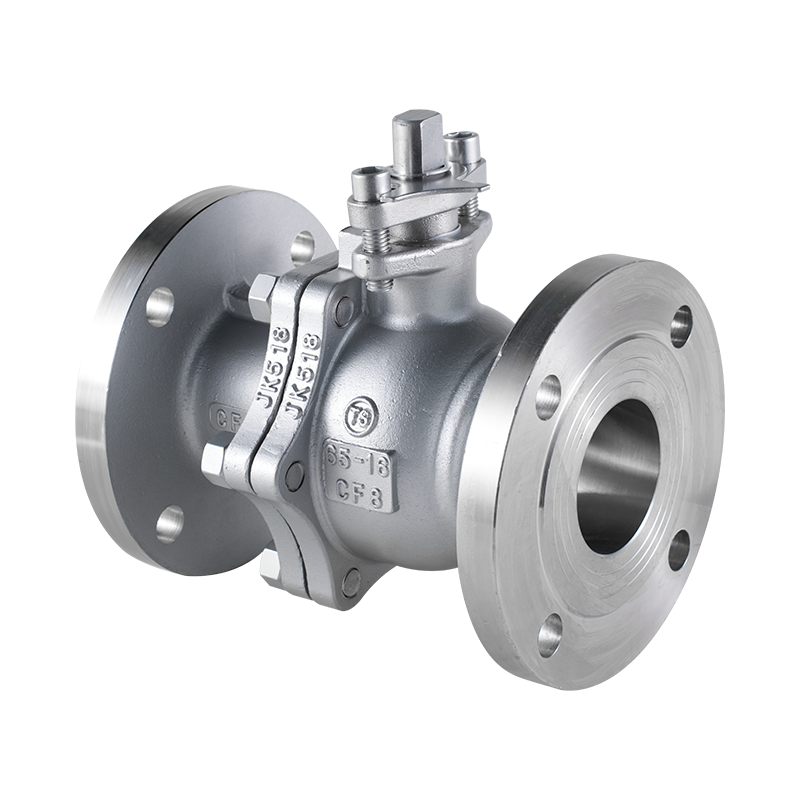
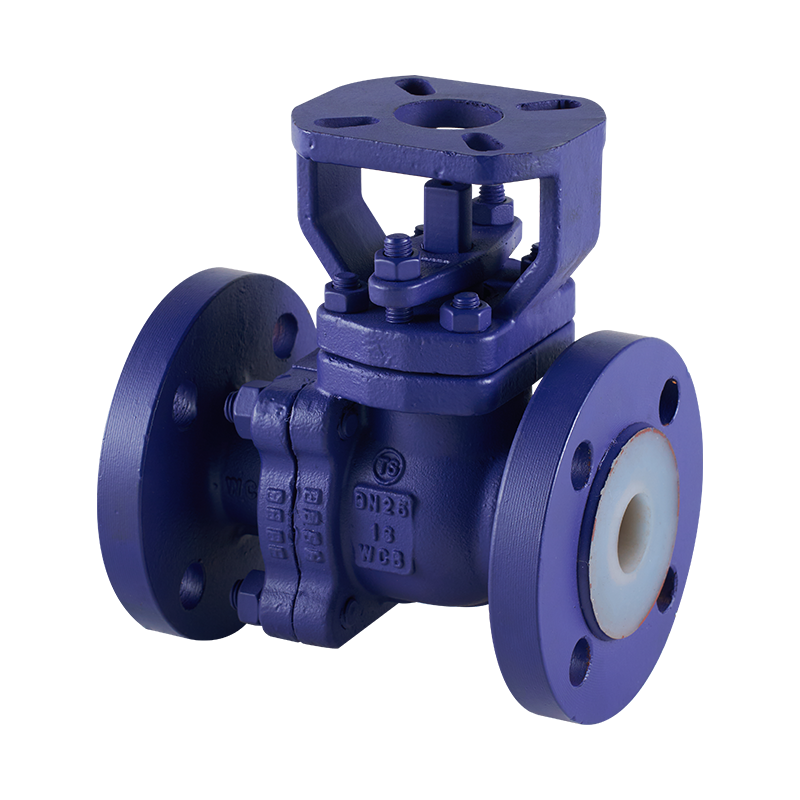
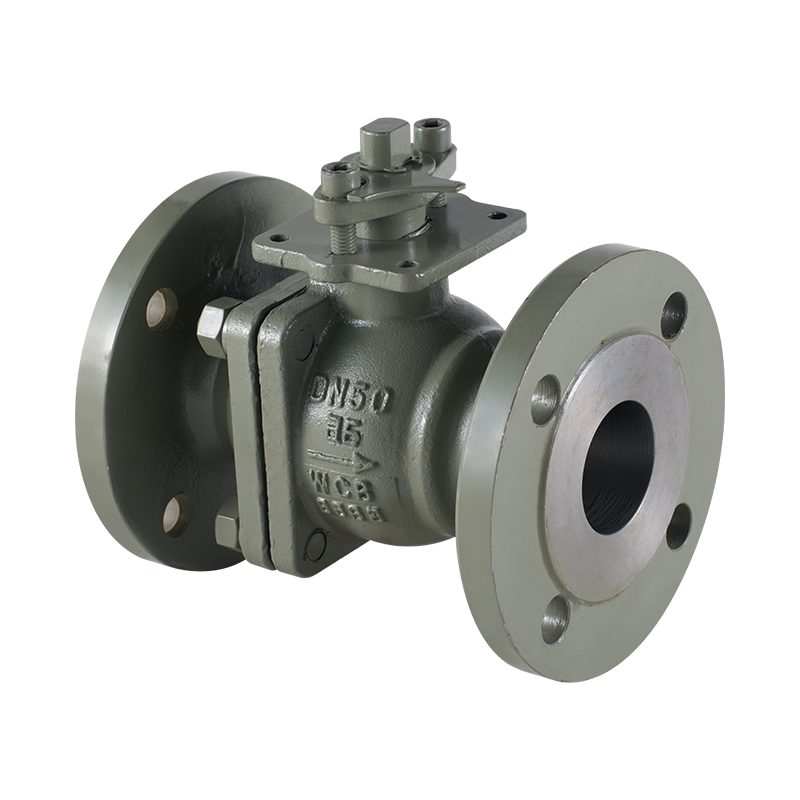
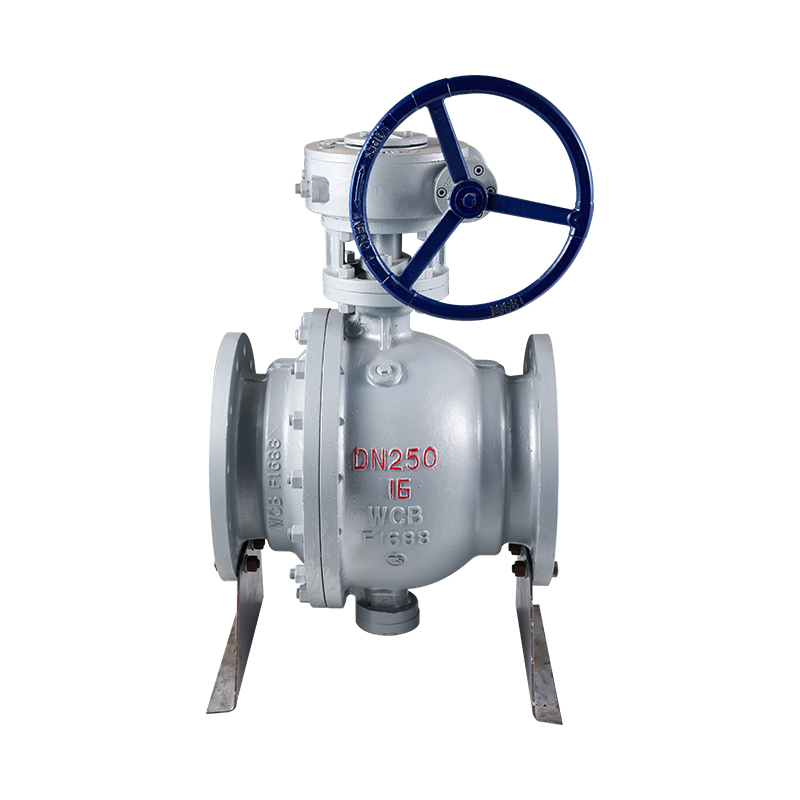
For projects requiring a flanged cast steel ball valve, confirming the applicable flange dimensions and pressure rating is particularly important. Where automation is planned, engineers should also verify actuator torque requirements, power supply, control signals, and available installation space.
Using Inspection and Testing to Verify Quality
Documented inspection provides buyers with evidence that a valve meets agreed requirements. Depending on the purchase specification, verification may include casting examination, dimensional checks, material documentation, and pressure testing.
Our manufacturing approach emphasizes clear technical requirements and traceable quality checks throughout production. Buyers can strengthen supplier evaluation by requesting relevant inspection records and confirming whether testing follows the specified edition of API 598 or another applicable project standard. Acceptance criteria should be agreed upon before manufacturing begins.
Reducing Maintenance Risks After Installation
Even a correctly selected valve needs appropriate operation and maintenance. Excessive operating force, unsuitable process conditions, contaminated media, and neglected packing can contribute to performance problems. Operators should follow the manufacturer's instructions rather than applying additional torque whenever a valve becomes difficult to operate.
A practical maintenance plan should include periodic external inspection, checks for leakage around the stem and body joints, and functional testing at suitable intervals. Any abnormal operating resistance should be investigated before continued operation causes further damage.
Improving Procurement Decisions Through Clear Specifications
Reliable valve purchasing begins with complete technical information. Before requesting a quotation, buyers should prepare the following details:
- Nominal size, pressure class, and connection type.
- Body, ball, stem, seat, and seal material requirements.
- Process medium, temperature range, and operating pressure.
- Manual or automated operation requirements.
- Applicable design, inspection, testing, and documentation standards.
Providing these details helps manufacturers recommend a suitable configuration, reduce specification revisions, and improve coordination between purchasing and engineering teams.
For industrial projects where dependable isolation and maintainable performance matter, selecting a Cast Steel Ball Valve should be a specification-led decision rather than a price-only comparison. By assessing service conditions, sealing requirements, installation constraints, and documented quality controls together, buyers can make more informed purchasing decisions and choose a valve solution aligned with their pipeline's operational needs.