
 English
 中文简体
中文简体


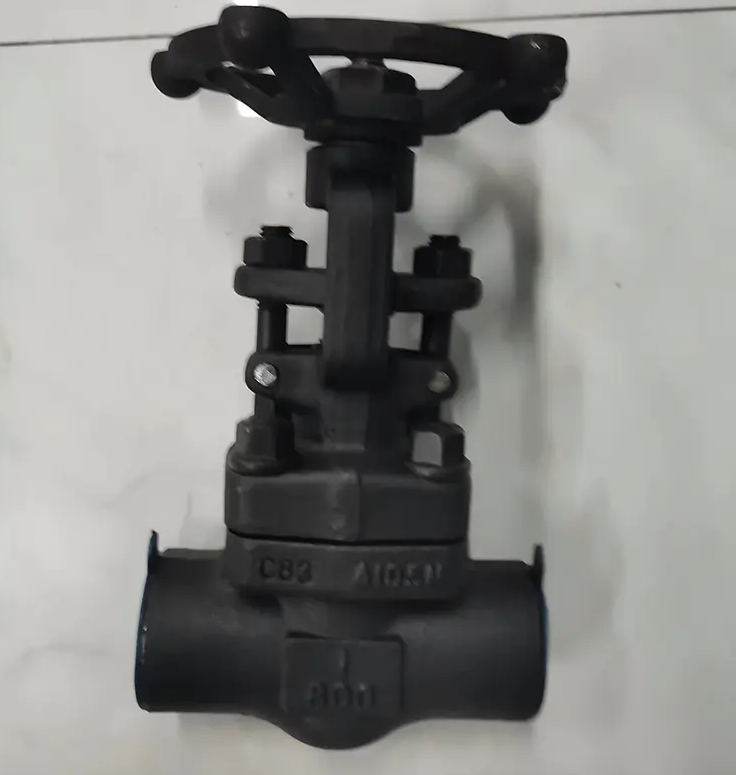
ANSI Globe Valve selection is increasingly focused on practical engineering requirements rather than simply matching a valve size to a pipeline. Overseas buyers and engineers need to consider pressure, temperature, media compatibility, flow control requirements, connection standards, and maintenance conditions before placing an order. For industrial piping systems, choosing a valve that matches the full operating environment can reduce specification conflicts and make installation and future servicing easier.
Start With the Working Conditions
The first step is to define how the valve will actually operate. Process medium, working pressure, temperature, flow direction, operating frequency, and installation position all affect the suitable configuration. A globe valve used for steam service may require a different material and trim arrangement from one installed in a chemical or water treatment system. Providing these details at the quotation stage helps the manufacturer recommend a configuration based on the application instead of relying on a general catalogue description.
Clarify the Applicable Standards
Many purchasing teams use the term ANSI Globe Valve when searching for valves designed for American-standard piping systems. However, the complete specification should identify the relevant design and dimensional standards, pressure class, materials, end connections, and testing requirements. This is particularly important for international projects where piping components from different suppliers must work together. A clear technical specification also allows buyers to compare quotations without treating different configurations as equivalent.
Select Materials Around the Process Medium
Material selection should follow the characteristics of the working medium. Carbon steel may suit certain general industrial services, while stainless steel or other alloy materials may be considered where corrosion resistance or specific process conditions require them. Internal trim and sealing components also deserve attention because they are directly exposed to the operating environment.
From a manufacturing perspective, we recommend reviewing the body material together with trim, seat, stem, and packing requirements. This avoids choosing a body material that appears suitable while overlooking the service limitations of internal components.
Match the Valve to Flow Control Needs
Globe valves are often selected when the system requires more than simple pipeline isolation. Their construction can support flow regulation, but the expected operating condition should still be considered during specification.
Before ordering, engineering teams can review several practical points:
- Whether the valve will mainly regulate or isolate flow.
- How frequently the valve will be operated.
- Whether manual or automated operation is required.
- Whether the process involves clean, corrosive, hot, or contaminated media.
- Whether the available installation space affects the valve configuration.
This information gives the manufacturer a clearer basis for recommending the appropriate design.
Consider Connection and Installation Requirements
Connection compatibility is another frequent source of problems in international valve projects. Flanged, threaded, or other end configurations need to correspond with the existing piping system and project requirements. Face-to-face dimensions, installation orientation, actuator clearance, and access for maintenance should also be checked before production.
For replacement projects, providing drawings or existing valve information can be especially useful. A manufacturer can review the available dimensions and identify potential installation conflicts before the new valve reaches the site.
Treat Testing as Part of Procurement
Testing should be included in the purchasing specification from the beginning. Depending on the project, buyers may require pressure testing, material documentation, dimensional inspection, marking verification, or other quality records. Clearly defining these requirements before manufacturing helps purchasing, engineering, and quality teams work from the same technical reference.
For overseas orders, consistent inspection documentation can also make incoming quality checks easier when the equipment arrives at the customer's facility.
Work With a Manufacturer During Specification
A reliable ANSI Globe Valve is not selected by product name alone. The right configuration depends on the process conditions, piping arrangement, materials, control requirements, and inspection expectations of each application. As a manufacturer, we work with buyers to review these details before production, helping turn a general valve requirement into a clear technical specification. For overseas industrial projects, this approach supports smoother sourcing, installation, and long-term maintenance of the ANSI Globe Valve.