
 English
 中文简体


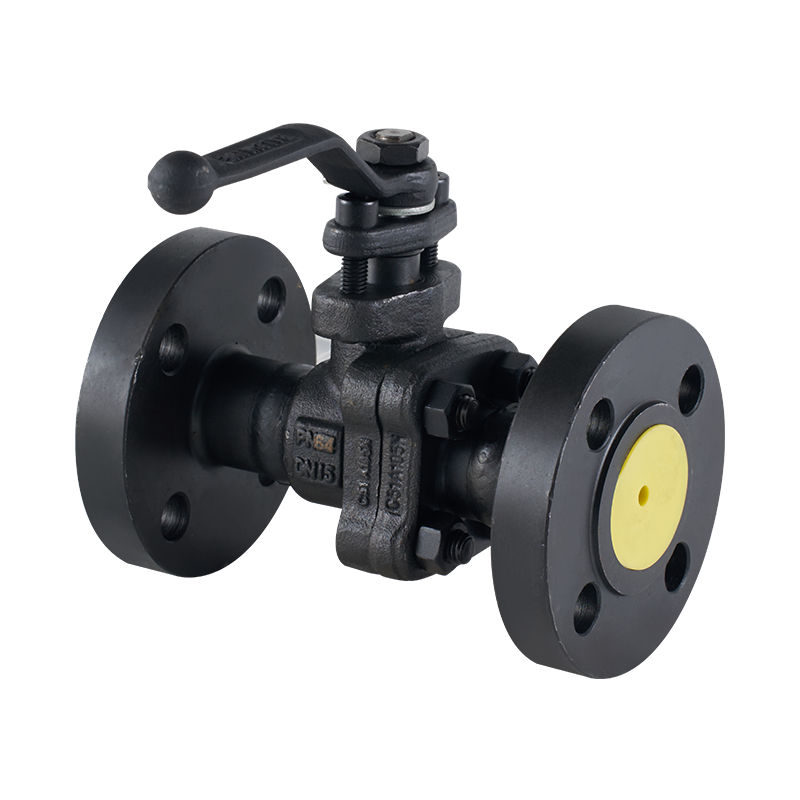
Unexpected valve maintenance can disrupt production schedules, increase labor costs, and delay project delivery. For industrial facilities, choosing a suitable Cast Steel Ball Valve involves more than comparing quotations. Buyers must evaluate valve specifications, spare parts availability, inspection requirements, and compatibility with existing pipeline equipment. A structured procurement process helps engineering and purchasing teams reduce avoidable installation problems and improve maintenance planning.
Identifying the Causes of Unplanned Valve Replacement
Valve replacement is not always caused by manufacturing defects. Incorrect material selection, unsuitable operating conditions, damaged seats, and improper installation can all contribute to premature failure. In some cases, incomplete purchasing specifications lead to equipment that meets basic requirements but does not suit the actual process.
Before ordering replacement valves, maintenance teams should review previous failure records, leakage locations, operating frequency, and process conditions. This information gives manufacturers a clearer basis for recommending a suitable design and helps buyers avoid repeating earlier specification mistakes.
Standardizing Specifications Across Pipeline Projects
Using consistent specifications for comparable pipeline applications can simplify purchasing and spare parts management. However, standardization should never override differences in pressure, temperature, fluid composition, or installation requirements.
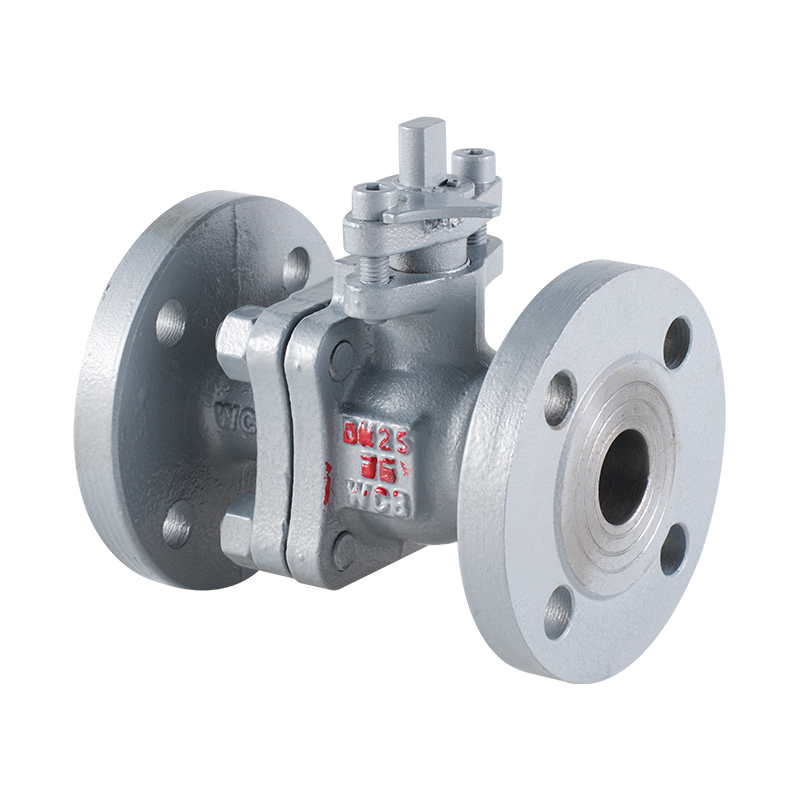
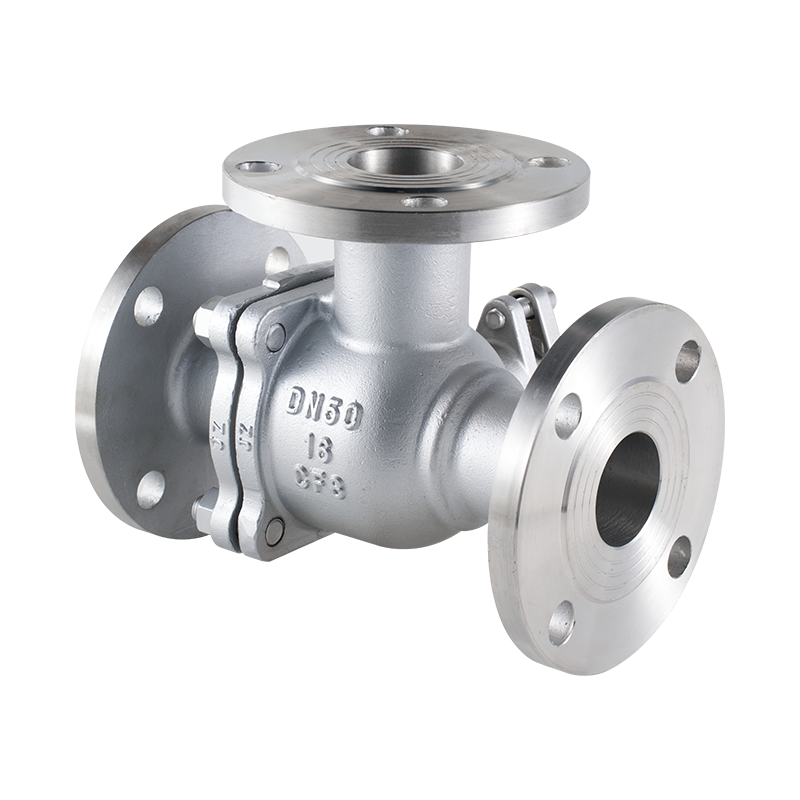
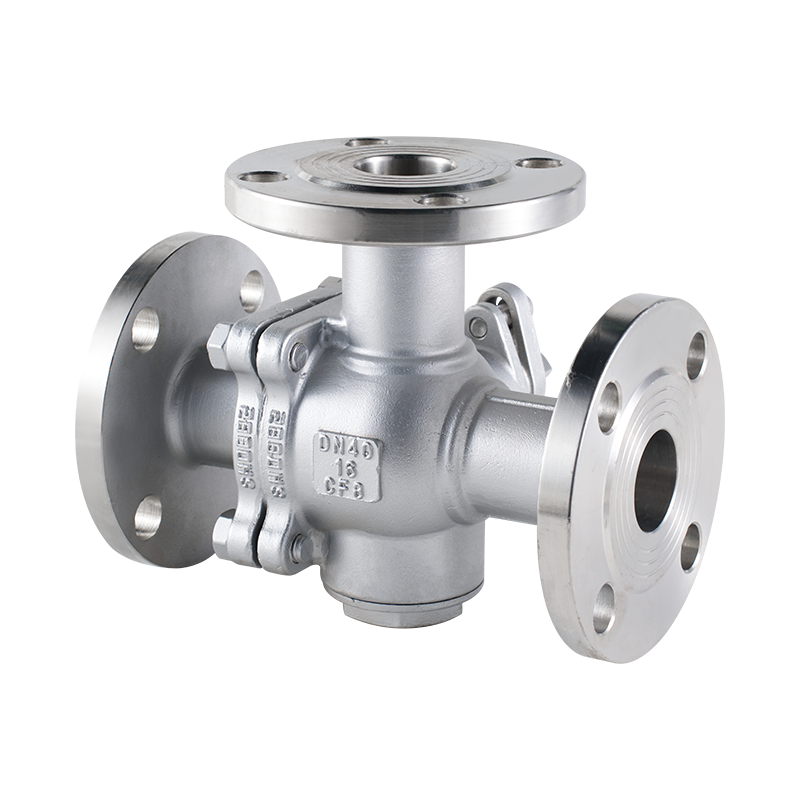
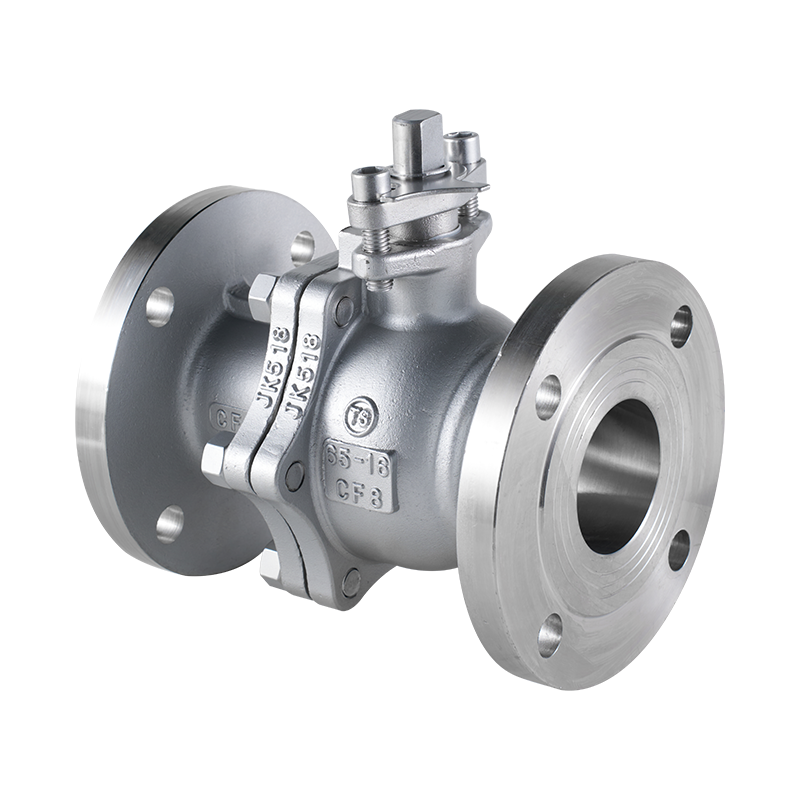
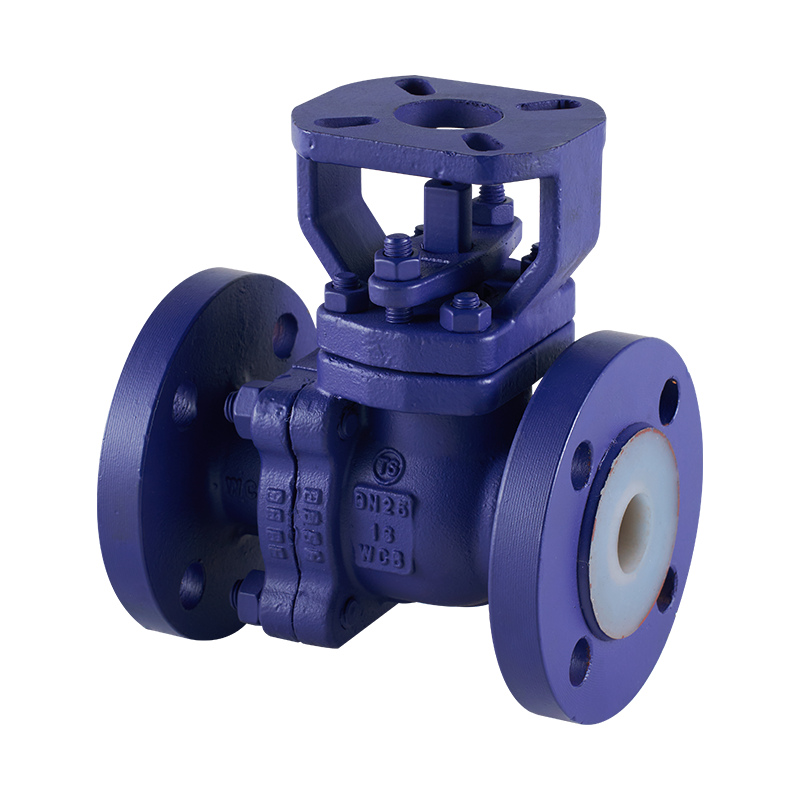
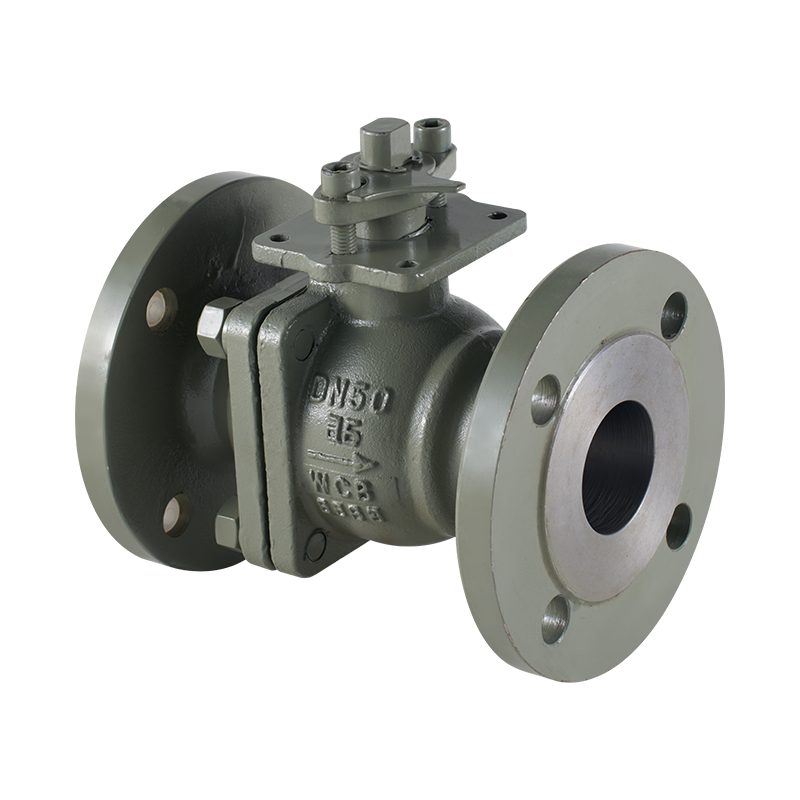
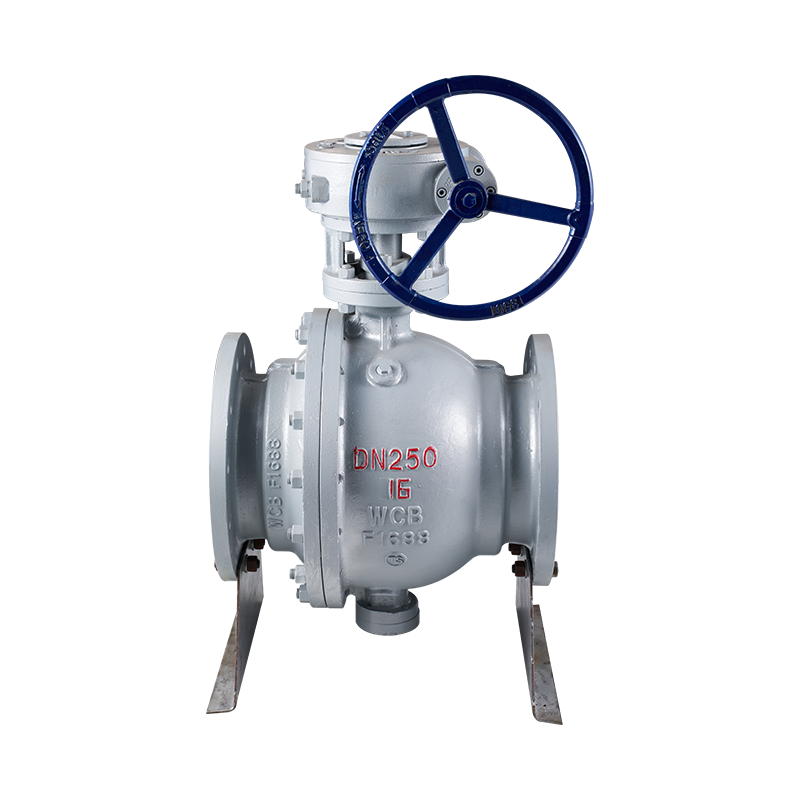
For a flanged cast steel ball valve, procurement teams should verify the following details before requesting quotations:
- Nominal pipe size and applicable pressure class.
- Flange dimensions and facing requirements.
- Body, ball, stem, seat, and seal materials.
- Manual operation or actuator configuration.
- Required inspection records and testing standards.
A complete specification reduces clarification cycles and makes supplier quotations easier to compare on a like-for-like basis.
Evaluating Suppliers Beyond the Quoted Price
A lower initial price may not reflect the total cost of ownership. Differences in material traceability, manufacturing controls, testing scope, delivery coordination, and technical support can affect the overall purchasing decision.
Buyers should ask suppliers to explain their inspection procedures and identify the documents provided with each shipment. Depending on project requirements, these may include material certificates, dimensional inspection records, and pressure-test reports. Clear documentation also helps engineering teams review compliance before equipment reaches the installation site.
Planning Spare Parts for Critical Applications
Spare parts planning is particularly important when a valve operates in a process where shutdowns are costly or replacement equipment has a long lead time. Seats, seals, stem packing, and actuator-related components may require different maintenance arrangements depending on the valve design.
When sourcing a Cast Steel Ball Valve, buyers should confirm whether replacement components are available and whether their materials and dimensions correspond to the supplied model. Keeping appropriate spare parts on hand can shorten maintenance interruptions, provided that replacement work follows the manufacturer's procedures and applicable safety requirements.
Coordinating Delivery With Installation Schedules
Late delivery can affect commissioning, maintenance shutdowns, and contractor coordination. Procurement teams should confirm production lead times, inspection arrangements, packaging requirements, and shipping documentation before placing an order.
For projects involving multiple valve sizes or pressure classes, a detailed purchase schedule helps manufacturers organize production and inspection more effectively. Buyers should also communicate any required witness inspections or document approvals early, since these activities may influence the delivery timeline.
Verifying Valve Condition Before Commissioning
Receiving inspection provides an opportunity to identify shipping damage, specification discrepancies, and missing documentation before installation begins. Technicians should check identification markings, connection dimensions, external condition, and the supplied documents against the purchase order.
The valve should then be installed, tested, and commissioned according to the manufacturer's instructions and project procedures. If damage, abnormal operation, or a specification mismatch is discovered, the issue should be resolved before the equipment enters service.
Building a More Reliable Procurement Process
Effective valve procurement connects engineering requirements with manufacturing quality, logistics, and maintenance planning. By providing complete specifications, reviewing supplier documentation, and planning replacement components in advance, industrial buyers can reduce unnecessary delays and make better-informed purchasing decisions.
Selecting a Cast Steel Ball Valve through this coordinated approach helps ensure that the supplied equipment matches the intended pipeline application while supporting installation readiness, maintenance efficiency, and long-term operational planning.