
 English
 中文简体


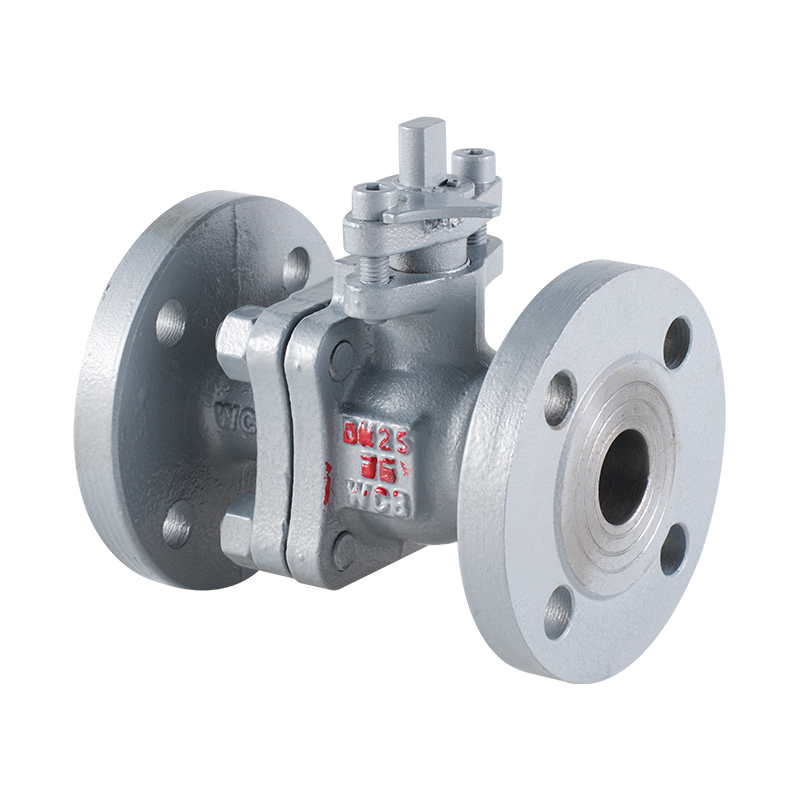
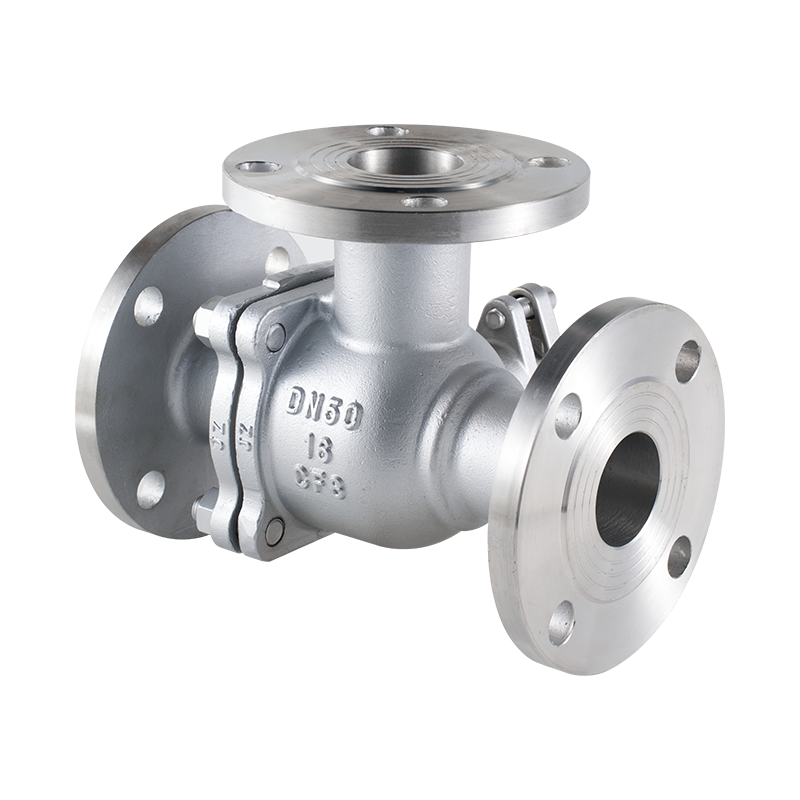
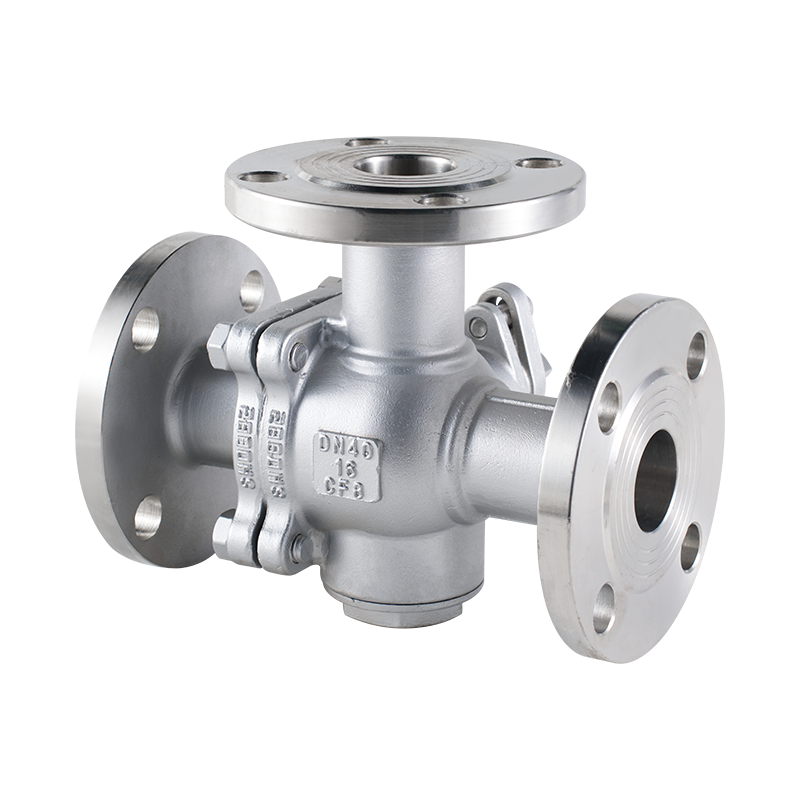
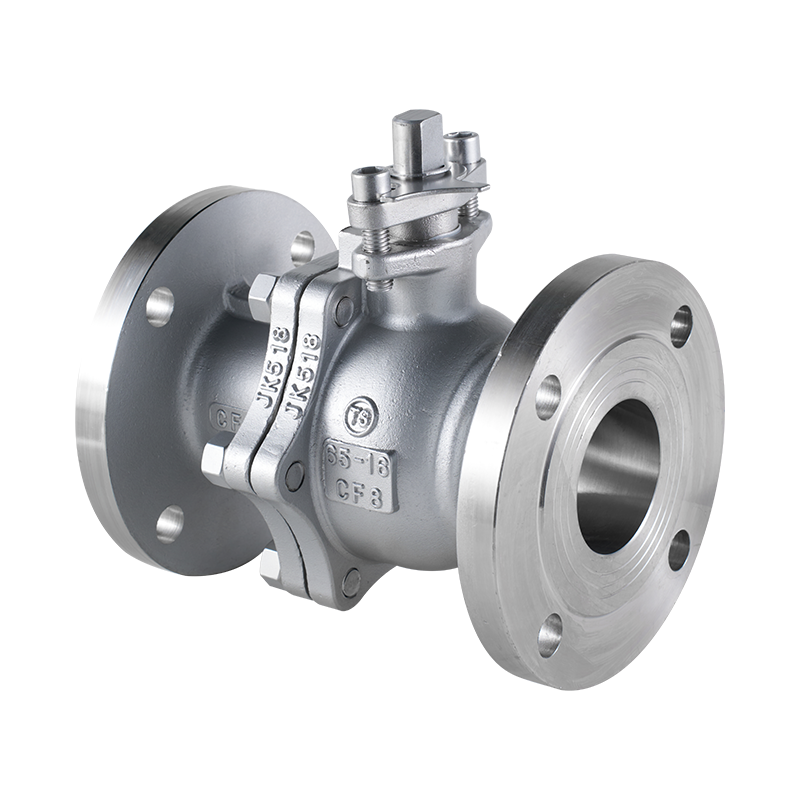
Industrial valve failures can result from material incompatibility, excessive operating temperatures, or unsuitable sealing components. For buyers sourcing equipment for chemical processing, energy facilities, and industrial fluid systems, selecting a Cast Steel Ball Valve requires careful evaluation of the complete operating environment. Matching the body material, internal components, and seat design to actual service conditions helps reduce premature wear and supports reliable pipeline isolation.
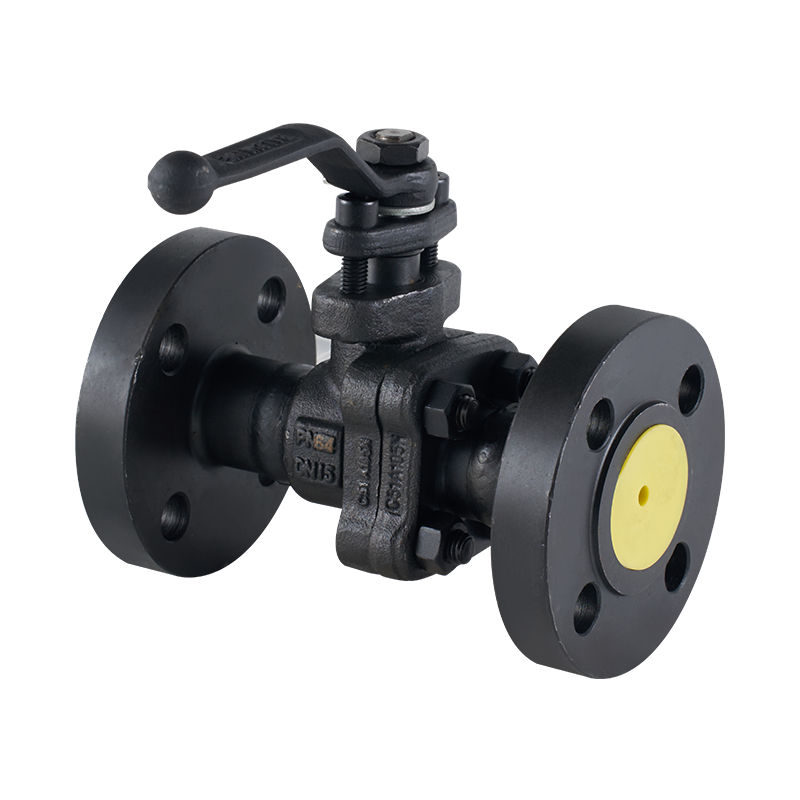
Evaluating the Process Medium Before Ordering
The chemical composition of the process fluid is one of the first factors engineers should assess. Water containing dissolved salts, chemical solutions, hydrocarbons, and fluids carrying suspended particles can affect valve components in different ways. Even when the valve body provides sufficient mechanical strength, internal parts may remain vulnerable to corrosion or erosion.
When specifying a cast steel ball valve, buyers should provide the fluid composition, concentration where applicable, operating temperature, and potential contaminants. This information allows manufacturers to assess material compatibility rather than recommend a valve based on nominal size and pressure rating alone.
Understanding the Limits of Cast Steel
Cast steel is commonly selected for industrial valve bodies because it offers useful mechanical properties and supports a range of pressure-rated designs. However, cast steel is not automatically suitable for every corrosive environment. Material grades differ in strength, temperature capability, and resistance to specific service conditions.
For applications involving aggressive chemicals or saline fluids, engineers should evaluate whether the specified carbon steel grade is appropriate or whether a corrosion-resistant alloy is needed. Material selection should follow the project's design requirements and applicable standards, with particular attention to the consequences of material degradation.
Matching Seat Materials to Temperature Conditions
Seat materials influence sealing performance, operating torque, and resistance to wear. Polymer-based seats may suit many conventional services, but their allowable temperature and chemical compatibility vary by material. Metal-seated designs may be considered for certain elevated-temperature or abrasive applications, provided their leakage requirements are acceptable.
When purchasing a high-temperature cast steel ball valve, buyers should confirm the temperature limits of the complete assembly, including seats, seals, packing, and any actuator accessories. The rating of the body alone does not establish the operating limit of the finished valve.
Reducing Corrosion Risks Through Design Review
Corrosion can occur on external surfaces, internal wetted areas, or around connections, depending on the environment and fluid properties. Protective coatings may help control external corrosion, but they cannot replace appropriate material selection for components exposed directly to the process medium.
Before approving a valve design, engineers should review:
- Body and trim material specifications.
- Seat, seal, and stem material compatibility.
- External coating requirements and environmental exposure.
- Inspection procedures and material documentation.
These checks help identify potential weaknesses before procurement and installation.
Confirming Testing and Documentation Requirements
Quality verification should be defined before manufacturing begins. Depending on the project specification, relevant checks may include dimensional inspection, pressure testing, material verification, and examination of cast components where required.
As a manufacturer, we recommend confirming the applicable design and testing standards, inspection scope, and acceptance criteria with the buyer. Standards such as API 598 may apply to valve inspection and testing, while the appropriate design standard depends on the valve type and intended service. Documentation should correspond to the actual supplied configuration.
Improving Service Life Through Maintenance Planning
Material selection is only one part of valve reliability. Operators should also monitor external leakage, changes in operating torque, coating damage, and signs of corrosion around exposed surfaces and connections. Maintenance frequency should reflect the severity of the service environment and the equipment's operating history.
If abnormal leakage or corrosion is identified, qualified personnel should determine the cause before returning the valve to service. Replacing components without addressing incompatible materials or unsuitable operating conditions may allow the same problem to recur.
Making a Better-Informed Purchasing Decision
A suitable valve specification should describe the process medium, pressure and temperature ranges, connection type, material requirements, sealing performance, and inspection documentation. Providing this information early helps manufacturers evaluate the application and propose a configuration that meets the project's technical needs.
Choosing a Cast Steel Ball Valve through a complete material and service-condition review can help industrial buyers manage corrosion risks, improve maintenance planning, and select dependable pipeline isolation equipment for their intended application.