
 English
 中文简体
中文简体


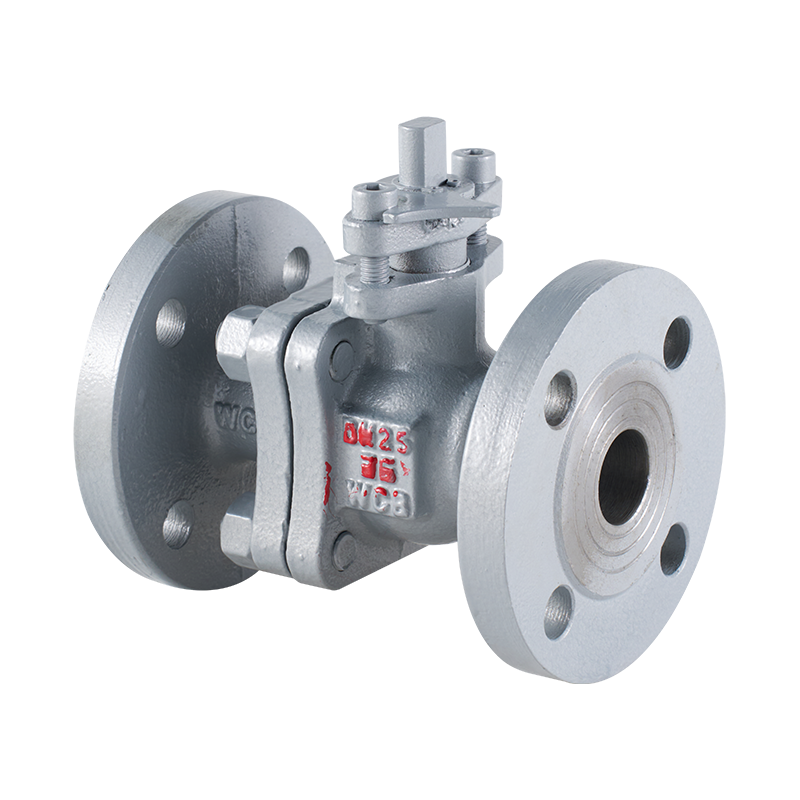
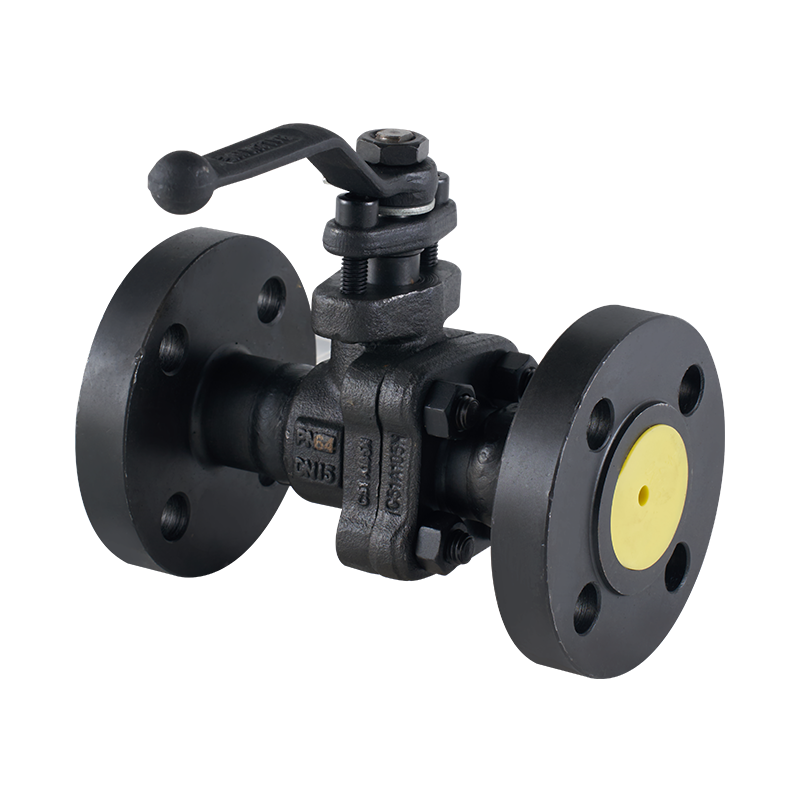
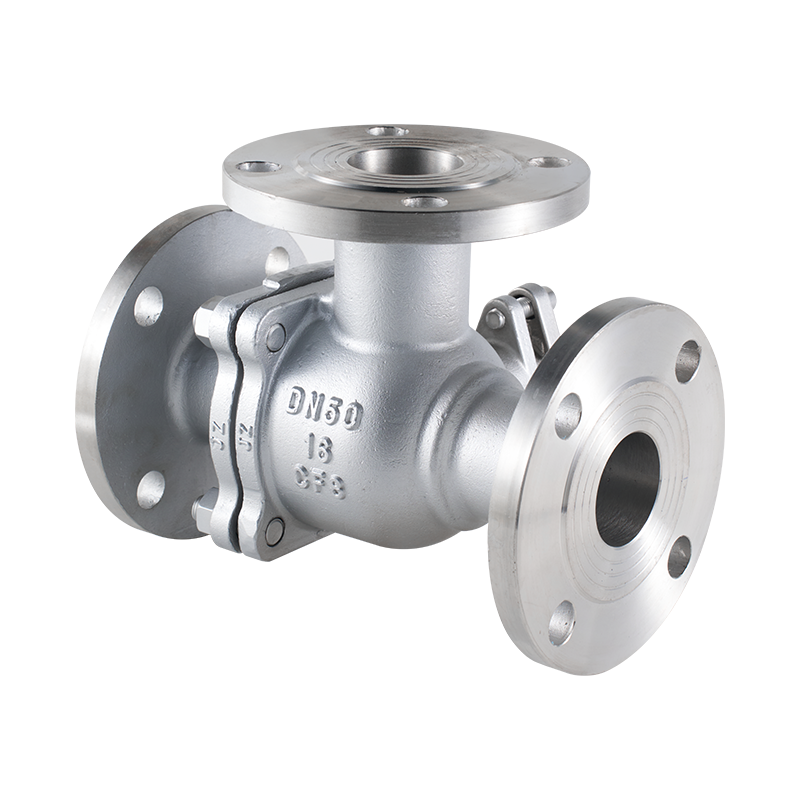
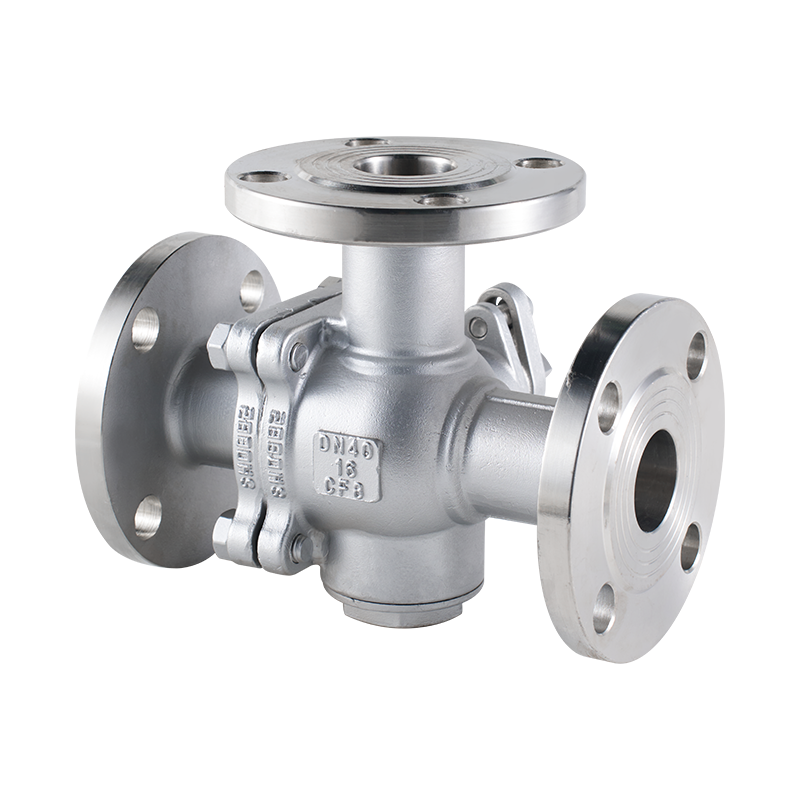
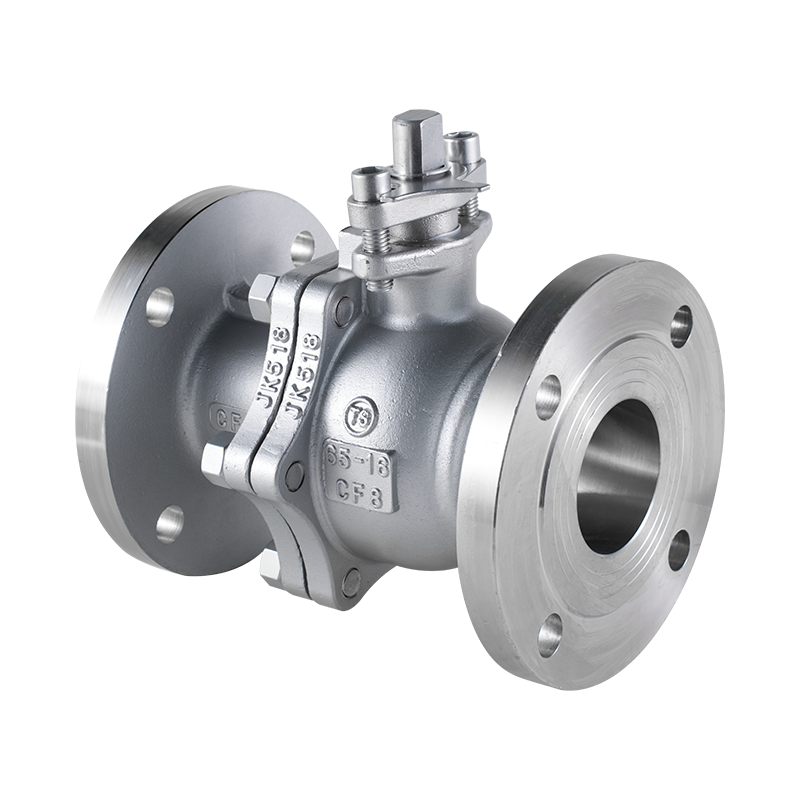
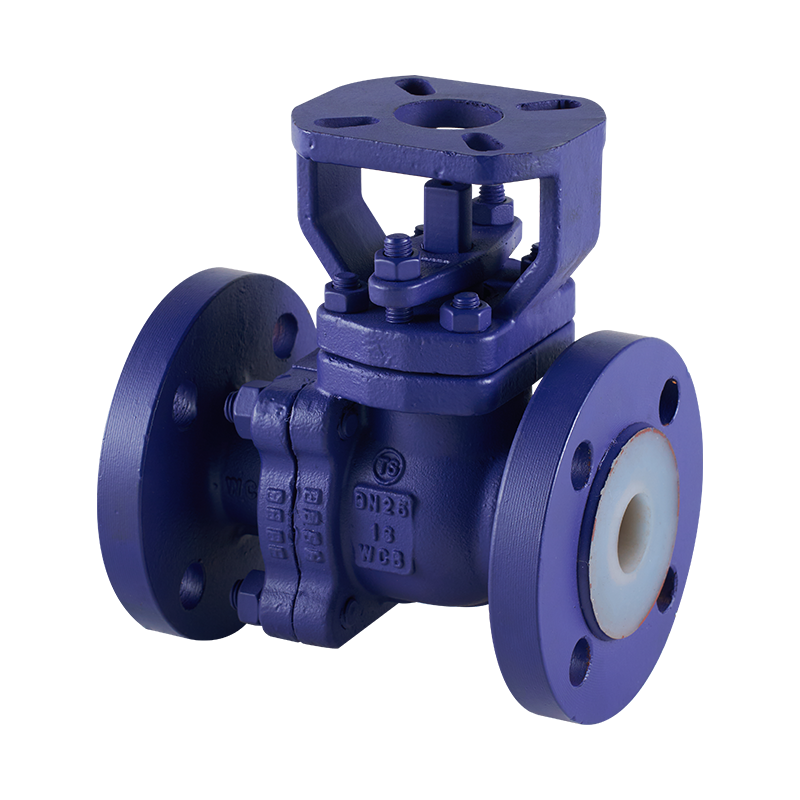
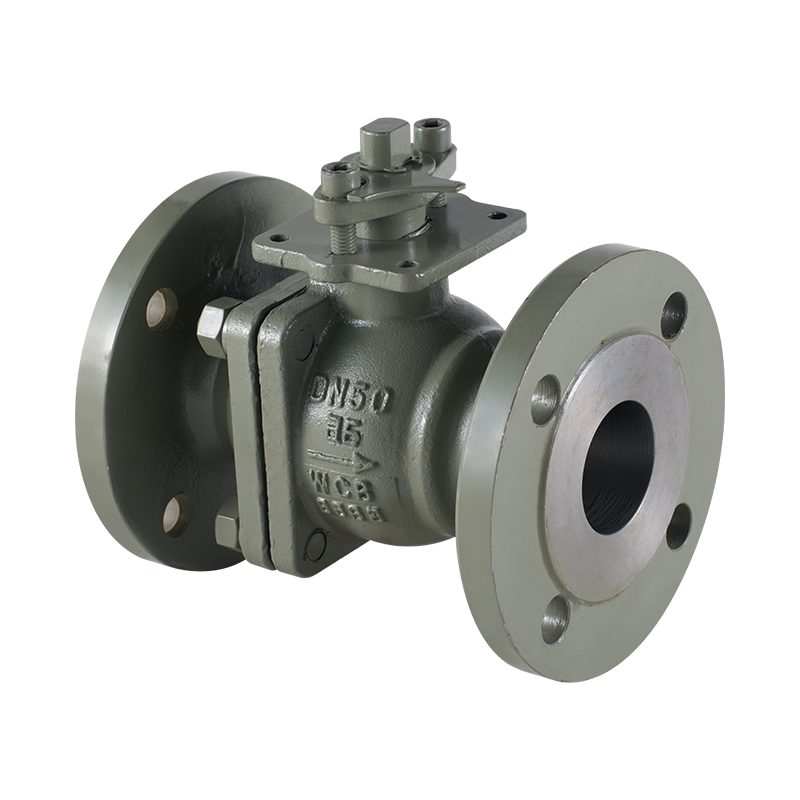
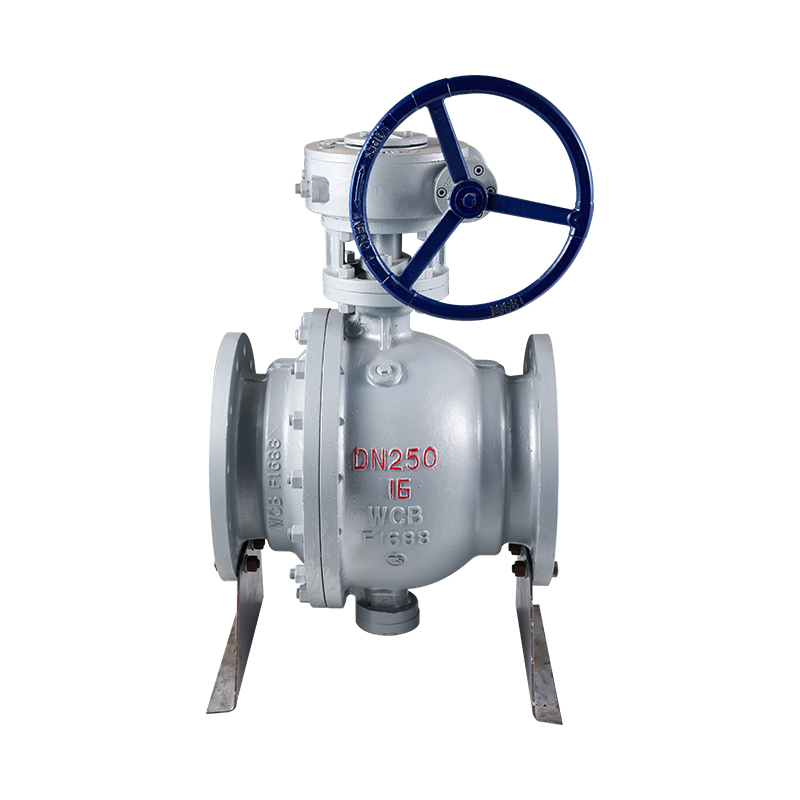
In industrial applications, selecting the Correct cast steel ball valve is crucial for ensuring safe and efficient fluid control. For companies seeking reliable flanged ball valve suppliers, Zhejiang Xiongxiang Valve Co., Ltd. offers a comprehensive range of high-quality valves suitable for high-pressure pipelines in petrochemical, power, and water treatment industries. Understanding the key features, materials, and applications of cast steel ball valves can help engineers and procurement teams make informed decisions.
1. Material Advantages of Cast Steel Ball Valves
Durability and Strength: Cast steel provides exceptional mechanical strength, enabling valves to withstand high-pressure and high-temperature environments. Its robustness reduces the risk of deformation or failure under extreme conditions.
Corrosion and Wear Resistance: High-grade cast steel alloys resist corrosion from acids, alkalis, and other industrial fluids. Combined with precision machining, these valves maintain performance over long service periods.
Versatile Temperature Range: Cast steel ball valves perform effectively across temperatures ranging from -29°C to 400°C (depending on material grade), making them suitable for diverse applications including steam, gas, and liquid systems.
Cost-Efficiency: Compared to forged steel alternatives, cast steel valves provide a balance of strength and cost-effectiveness, making them practical for both large-scale and specialized projects.

2. Flanged Connections for Secure Installation
Ease of Installation: Flanged ends simplify the bolting process, allowing secure connections to pipelines without complex welding or threading. This is particularly important in high-pressure applications.
Maintenance-Friendly Design: Flanged ball valves can be easily removed or replaced, reducing downtime during inspections or repairs.
Standards Compliance: Flanged valves conform to widely recognized standards (ANSI, DIN, JIS, etc.), ensuring compatibility with international pipeline systems.
Leak Prevention: Proper flange design with quality gaskets ensures a tight seal, minimizing leakage risk and enhancing overall pipeline safety.
3. Applications of Cast Steel Ball Valves
Petrochemical Industry: Used in oil, gas, and chemical transport, cast steel ball valves handle high pressures and corrosive fluids effectively.
Power Generation: Suitable for steam, cooling water, and other fluid control in thermal and nuclear power plants, providing reliability under fluctuating pressures and temperatures.
Water Treatment and Distribution: In municipal and industrial water systems, cast steel ball valves ensure precise flow regulation and secure shut-off.
Chemical and Pharmaceutical Processing: The material’s resistance to corrosion and high temperatures makes it ideal for aggressive chemical environments where precision control is required.
4. Selecting the Correct Flanged Ball Valve Supplier
Quality Assurance: Partnering with established flanged ball valve suppliers like Zhejiang Xiongxiang Valve Co., Ltd. guarantees adherence to ISO 9001 standards, including rigorous testing for pressure, leakage, and durability.
Custom Solutions: Suppliers can provide valves customized by size, pressure rating, flange type, and material to match specific project needs.
Technical Support and Consultation: Reliable suppliers offer guidance on valve selection, installation nicely practices, and maintenance procedures, helping clients avoid operational issues.
Timely Delivery: Professional suppliers maintain inventory and production schedules to meet project deadlines without compromising quality.
5. Installation and Maintenance nicely Practices
Inspection: Conduct periodic checks for signs of wear, corrosion, or leakage. Timely maintenance ensures longer valve life and uninterrupted operation.
Correct Installation: Ensure proper alignment and torque when bolting flanges. Use high-quality gaskets suitable for the fluid and temperature conditions.
Operational Care: Avoid rapid valve operation under high pressure to prevent water hammer and mechanical stress. Gradual opening and closing prolong valve life.
Lubrication and Cleaning: Some cast steel ball valves benefit from periodic lubrication of moving parts and cleaning to prevent buildup that may impede operation.