
 English
 中文简体



As industrial piping systems face changing operating demands, valve selection is becoming more focused on pressure ratings, sealing performance, installation compatibility, and long-term maintenance. For overseas distributors, project contractors, and engineering teams, choosing an ANSI Butterfly Valve involves more than matching pipe dimensions. Small differences in valve structure, seat materials, and operating conditions can affect system reliability and maintenance costs. As a manufacturer, we believe that understanding these practical details before ordering helps buyers avoid unnecessary installation problems and select valves that suit their actual applications.
Understanding Pressure Ratings and Operating Conditions
One common issue during valve selection is confusing the nominal pressure class with the actual working pressure. An ANSI Butterfly Valve must be selected according to the pressure and temperature conditions of the pipeline, rather than the pressure class alone.
Buyers should check several factors before confirming a specification:
- Maximum and normal operating pressure.
- Operating temperature and possible temperature fluctuations.
- Pressure differences across the valve during operation.
- Whether the valve is used for isolation or flow regulation.
These details help determine whether the selected valve body, disc, and seat materials are suitable for the application. A valve that meets dimensional requirements may still create problems if its pressure-temperature limits do not match the operating environment.
Choosing the Right Wafer, Lug, or Flanged Design
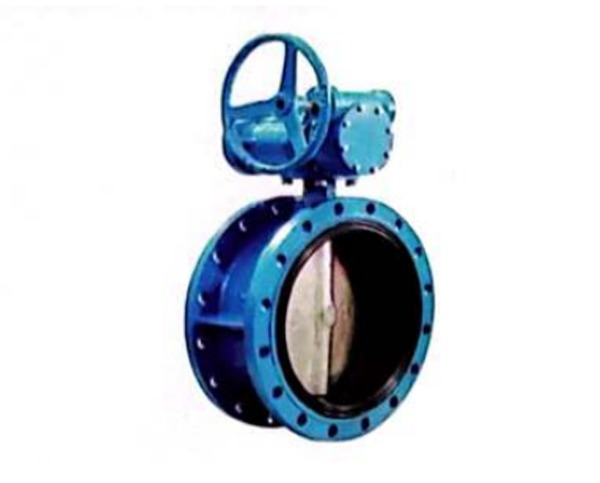
Installation compatibility is another important concern for engineering teams. Wafer, lug, and double-flanged butterfly valves have different connection structures, and each design serves particular piping requirements.
Wafer butterfly valves are commonly considered where installation space and compact construction matter. Lug butterfly valves allow independent bolting arrangements on each side, which can be useful for certain maintenance configurations. Double-flanged designs provide a bolted connection at both ends and are often selected for heavier pipeline arrangements.
Before placing an order, buyers should confirm flange standards, face-to-face dimensions, bolt patterns, and available installation clearance. These checks reduce the risk of receiving valves that cannot fit existing pipeline connections.
Seat Material and Leakage Prevention
Seat performance directly affects shutoff reliability. However, selecting a seat material based only on its general description can lead to unexpected problems.
EPDM seats are commonly used in suitable water applications, while NBR may be considered where oil resistance is required. PTFE-based seating solutions are also used in applications involving particular chemical and temperature requirements.
When evaluating an ANSI Butterfly Valve, engineers should consider:
- Media composition and chemical compatibility.
- Operating temperature range.
- Required shutoff performance.
- Frequency of opening and closing.
- Potential exposure to abrasive particles.
As a manufacturer, we pay attention to the compatibility between the seat, disc, and operating medium during product selection. This helps reduce premature wear and avoid unnecessary maintenance.
Understanding the Latest API 609 Standard Update
Valve specification requirements also deserve attention in international projects. API published the tenth edition of API Standard 609 in May 2026, covering butterfly valve design, materials, dimensions, pressure-temperature ratings, inspection, and testing. The update includes changes concerning pressure classes, dead-end service testing, and other technical requirements.
NBS+1
For buyers, this is a practical reason to review existing technical documents and confirm which edition is required by the project. ANSI dimensional or pressure-class requirements and API 609 compliance should be checked separately rather than treated as interchangeable certifications.
Actuator Selection and Operation Control
Manual handles, gear operators, pneumatic actuators, and electric actuators offer different operating advantages. The choice depends on valve size, installation accessibility, operating frequency, and automation requirements.
For frequently operated pipelines, automated actuation can reduce manual intervention. However, actuator torque must match the valve's operating requirements under actual working conditions. Insufficient torque may prevent complete opening or closing, while unsuitable actuator sizing can increase equipment costs.
Buyers should also consider available power sources, control signals, fail-safe requirements, and installation space before finalizing the configuration.
Inspection and Testing Before Shipment
Product inspection should cover more than external appearance. Dimensional checks, material verification, pressure testing, and seat leakage testing help confirm whether a valve meets the agreed technical specification.
We recommend that buyers clarify the following with their suppliers:
- Material certificates and traceability requirements.
- Hydrostatic and seat leakage test procedures.
- Applicable inspection standards.
- Nameplate information and product identification.
- Inspection documentation required before shipment.
Clear inspection requirements make communication between manufacturers, distributors, and project engineers more efficient.
Making Valve Specifications Easier to Confirm
Selecting an ANSI Butterfly Valve requires coordination between pipeline conditions, connection dimensions, sealing materials, and operating methods. Rather than relying on a general product description, buyers should provide detailed application information when requesting quotations. As a manufacturer, we focus on matching valve construction and material configurations with actual project requirements, helping overseas customers reduce specification errors and installation difficulties. A clearly defined ANSI Butterfly Valve specification also makes product comparison, technical approval, and future maintenance planning easier.