
 English
 中文简体



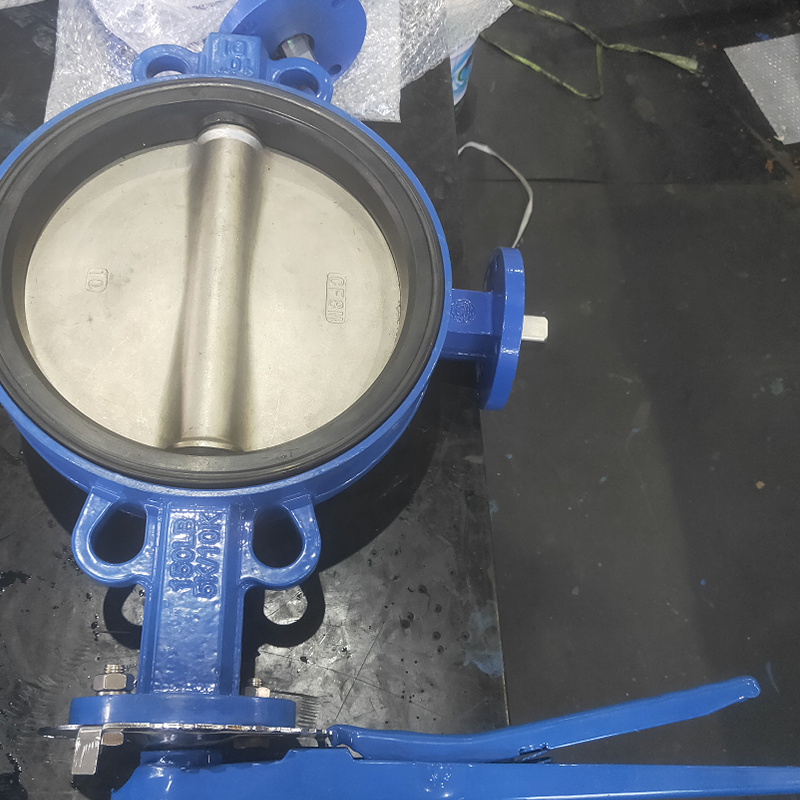
Selecting the right valve involves more than matching pipeline size. Engineers and buyers also need to consider pressure ratings, fluid characteristics, sealing materials, and installation requirements. An ANSI Butterfly Valve is widely used in water treatment, HVAC, and industrial piping systems because of its compact structure and quarter-turn operation. However, an unsuitable configuration may cause leakage, installation difficulties, or additional maintenance. Understanding several key selection factors can help buyers make more informed purchasing decisions.
Checking ANSI Standards and Pipeline Compatibility
Before ordering, buyers should confirm that the valve matches the existing pipeline specifications. ANSI standards provide important references for dimensions and pressure ratings, but the exact requirements depend on the valve design.
Key details include:
- Pressure class and operating conditions.
- Face-to-face dimensions.
- Flange drilling and connection compatibility.
- Pipeline diameter and installation space.
Checking technical drawings before production helps reduce fitting problems during installation.
Selecting Suitable Body and Disc Materials
Different fluids create different demands on valve materials. Ductile iron is commonly used in general water and industrial applications, while stainless steel may be considered for environments requiring greater corrosion resistance.
The disc and seat materials also need careful evaluation. Buyers should consider fluid compatibility, operating temperature, pressure, and potential abrasive particles. As a manufacturer, we recommend selecting materials according to actual working conditions rather than applying one configuration to every project.
Comparing Wafer, Lug, and Flanged Designs
Connection type affects installation flexibility and maintenance arrangements.
- Wafer type: Installed between pipe flanges, suitable for compact piping systems.
- Lug type: Uses threaded inserts for bolted connections and may support specific maintenance arrangements.
- Double-flanged type: Provides bolted flange connections for corresponding pipeline designs.
Each structure has different installation requirements. Buyers should confirm whether the selected valve supports the intended pipeline arrangement and end-of-line service.
Improving Sealing Performance
Leakage prevention is an important consideration in water distribution, cooling systems, and industrial processes. The valve seat directly affects shut-off performance.
EPDM and NBR seats are commonly used in different service environments, while PTFE may be suitable for certain chemical applications. The final choice should depend on fluid compatibility, temperature, and pressure conditions.
Buyers should also specify the required leakage performance and testing criteria before placing an order. This helps manufacturers confirm the appropriate sealing configuration.
Matching Actuators to Operating Requirements
Manual handles and gear operators are suitable for many conventional applications. For automated systems, pneumatic and electric actuators can provide remote operation and integration with industrial control equipment.
Before selecting an actuator, engineers should check operating torque, opening frequency, power supply, control signals, and available installation space. Proper matching helps avoid operating difficulties and unnecessary equipment costs.
Focusing on Manufacturing Quality and Inspection
Product quality depends on both material selection and manufacturing control. During production, important inspection points include body dimensions, disc movement, shaft assembly, seat installation, and sealing performance.
For industrial projects, buyers can request dimensional drawings, material specifications, pressure ratings, and relevant inspection documents. These details make technical evaluation easier and help confirm whether the product meets project requirements.
Choosing a Valve for Long-Term Operation
A suitable valve should meet the pipeline's actual operating conditions rather than simply fit the purchasing budget. As a manufacturer, we recommend evaluating connection type, material compatibility, sealing requirements, and actuator configuration before confirming an order. For water treatment, HVAC, and general industrial applications, selecting the right ANSI Butterfly Valve helps support reliable flow control, convenient installation, and manageable maintenance over its service life.