
 English
 中文简体



Pressure compatibility is an important consideration when purchasing valves for industrial piping projects. A valve that does not match the system's operating conditions may experience sealing problems, excessive stress, or premature component wear. An ANSI Butterfly Valve is commonly used in water treatment, HVAC, and industrial process systems, but selecting the correct pressure class requires more than checking the pipeline size. Buyers and engineers need to evaluate working pressure, temperature, fluid properties, and possible pressure fluctuations before confirming a valve specification.
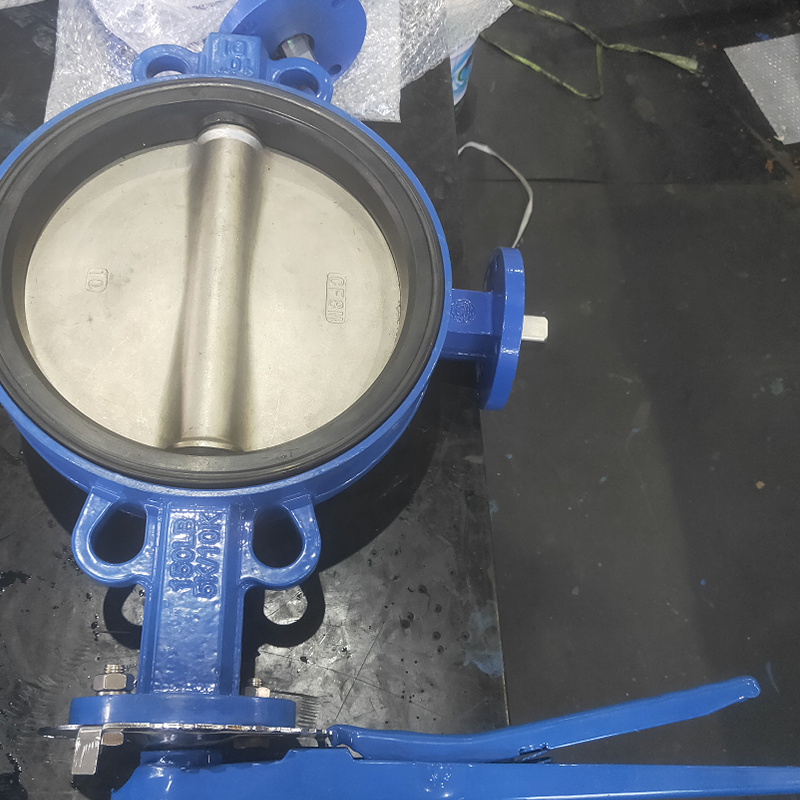
Understanding Pressure Class Requirements
Pressure class is one of the first specifications engineers should review. It indicates the pressure-temperature rating framework applicable to the valve design and material.
Buyers should not assume that valves with the same nominal diameter have identical pressure capabilities. The applicable pressure rating needs to be confirmed against the relevant standard, material, and operating temperature. Checking the manufacturer's technical documentation before ordering helps avoid mismatches between the valve and pipeline system.
Evaluating Working Pressure and Temperature
Pressure and temperature are closely related in valve selection. Changes in operating temperature can affect material strength and sealing performance, particularly when the system handles hot water, steam-related services, or industrial fluids.
Before selecting a valve, project engineers should clarify:
- Normal operating pressure and temperature.
- Possible pressure peaks during operation.
- Fluid characteristics and chemical compatibility.
- Required shut-off performance.
These details help manufacturers determine whether the proposed valve configuration is suitable for the intended service.
Considering Pressure Fluctuations and Water Hammer
In systems with pumps, frequent valve operation, or rapid flow changes, pressure fluctuations can place additional stress on pipeline components. Water hammer is particularly relevant when fluid velocity changes suddenly.
A suitable valve should be evaluated as part of the complete piping system. Engineers may need to consider closing speed, actuator control, pump operation, and pipeline layout. Selecting an appropriate operating mechanism can help reduce unnecessary pressure disturbances.
Matching Seat Materials to Operating Conditions
Pressure resistance is not determined by the valve body alone. The seat must also maintain suitable sealing performance under the specified operating conditions.
EPDM and NBR are commonly considered for different water and industrial applications, while PTFE may be selected for certain chemical services. However, no single seat material is suitable for every medium or temperature range.
As a manufacturer, we recommend confirming the fluid composition, temperature range, and pressure requirements before finalizing the seat configuration.
Checking Flange and Connection Compatibility
Even when the pressure rating is suitable, connection mismatches can create installation and leakage risks. Wafer, lug, and double-flanged butterfly valves have different structural characteristics.
Buyers should verify flange dimensions, bolt arrangements, face-to-face dimensions, and pipeline specifications. For replacement projects, reviewing the existing valve drawing and installation measurements is particularly important because similar-looking products may have different dimensional requirements.
Reviewing Pressure Testing and Quality Control
Pressure testing is an important part of valve quality inspection. Buyers should clarify the applicable testing standard and acceptance requirements when requesting quotations.
Depending on the product specification, inspection may include shell testing, seat leakage testing, dimensional checks, and operational testing. Relevant records can help purchasing teams evaluate product conformity and maintain project documentation.
Making Pressure Selection Part of Purchasing Decisions
Choosing a valve based only on its nominal pressure class may overlook temperature effects, pressure fluctuations, and sealing requirements. As a manufacturer, we encourage buyers to provide complete operating conditions before ordering an ANSI Butterfly Valve. Proper evaluation of pressure ratings, materials, connections, and testing requirements helps ensure better compatibility with industrial piping systems and supports dependable long-term operation.