
 English
 中文简体



In industrial piping systems, valve performance can gradually change due to frequent operation, fluid conditions, and component wear. For buyers and maintenance engineers, reducing unexpected downtime is an important part of equipment management. An ANSI Butterfly Valve offers a compact structure and convenient quarter-turn operation, but its long-term performance still depends on correct installation, suitable material selection, and regular inspection. Understanding common operating problems can help industrial users maintain stable flow control and avoid unnecessary replacement costs.
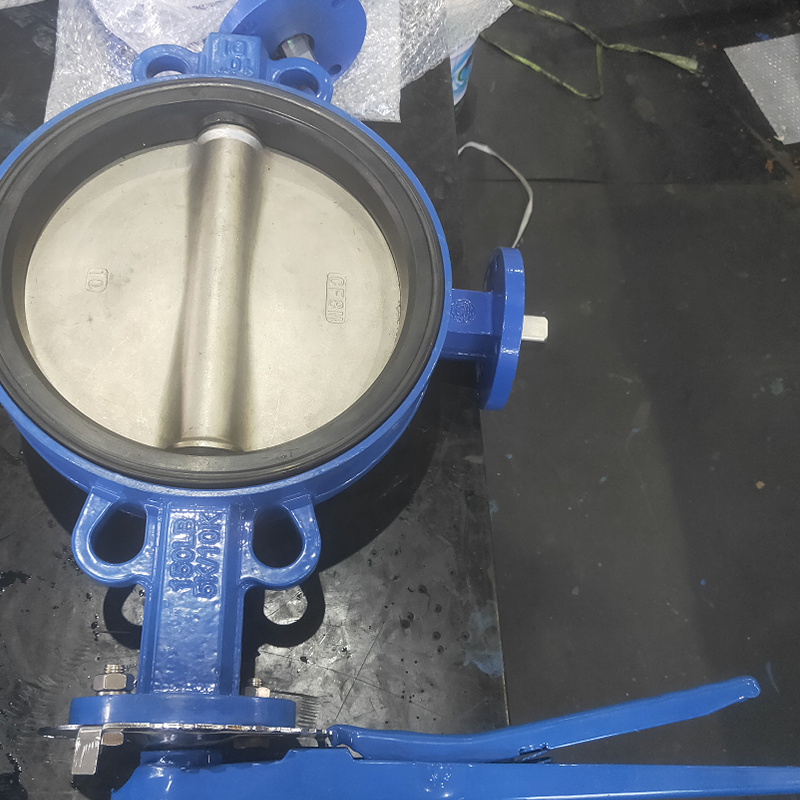
Identifying Early Signs of Valve Wear
Valve problems do not always appear as sudden failures. Small changes during operation may indicate that internal components need attention. Common signs include increased operating torque, incomplete closure, external leakage, and unusual noise.
Maintenance teams should pay particular attention to changes in operating resistance. These may result from foreign particles, seat deformation, shaft wear, or incorrect installation. Identifying the cause early can help prevent further damage to the valve assembly.
Preventing Seat Damage and Internal Leakage
The valve seat plays an important role in shut-off performance. Continuous operation, unsuitable fluid conditions, and solid particles can affect its sealing surface.
To reduce these risks, engineers should consider:
- Selecting seat materials compatible with the process medium.
- Checking whether the fluid contains abrasive particles.
- Avoiding operating conditions beyond the specified pressure and temperature range.
- Inspecting the sealing surface during scheduled maintenance.
For replacement projects, confirming the original seat dimensions and material requirements helps ensure compatibility with the existing valve.
Managing Installation Stress in Pipeline Systems
Incorrect installation can affect valve operation even when the product itself meets its specifications. Misaligned flanges, uneven bolt tightening, and excessive pipeline stress may place additional loads on the valve body.
Before installation, workers should check flange alignment and clean the connection surfaces. The valve should also be positioned according to the manufacturer's installation instructions. Proper bolt tightening helps maintain a stable connection and reduces the risk of external leakage.
Keeping the Disc and Shaft Operating Smoothly
The disc and shaft work together to control fluid movement. Deposits, corrosion, or mechanical wear may affect their movement over time, particularly in applications involving wastewater or fluids containing suspended particles.
Routine inspection should focus on disc movement, shaft condition, and operating torque. If resistance increases, maintenance teams should investigate the cause instead of applying excessive force to the operating mechanism. This helps protect connected components and prevents additional mechanical damage.
Choosing the Right Maintenance Strategy
Different industrial applications require different inspection arrangements. Water treatment facilities, HVAC systems, and chemical processing plants may have different operating frequencies and fluid conditions.
A practical maintenance plan can include:
- Visual inspection for external leakage and corrosion.
- Operational checks for opening and closing performance.
- Inspection of flange connections and fasteners.
- Evaluation of seat and shaft condition when necessary.
Inspection intervals should be determined according to operating conditions and manufacturer recommendations rather than using the same schedule for every installation.
Evaluating Replacement Parts and Technical Support
When a valve requires repair, buyers should confirm whether replacement seats, shafts, and other components are available for the specific model. Mixing incompatible parts may affect sealing performance and operating reliability.
Manufacturers can support maintenance planning by providing product drawings, material details, installation instructions, and relevant spare-part information. These documents are particularly useful for distributors and industrial maintenance teams managing different valve specifications.
Supporting Reliable Flow Control Through Proper Maintenance
Regular inspection and correct component selection help reduce avoidable operating problems in industrial pipelines. As a manufacturer, we recommend considering maintenance accessibility and spare-part compatibility when selecting an ANSI Butterfly Valve. Matching the valve structure, sealing materials, and operating mechanism to the application can support stable performance while making future maintenance more manageable.