
 English
 中文简体
中文简体


When planning a new industrial piping project, buyers and engineers often look to SS globe valve manufacturers for quotes and performance specifications early in the design phase. However, securing accurate and reliable valves — especially those that conform to an ANSI Globe Valve standard — can be more challenging than anticipated. From inconsistent specifications to mismatched material grades and delivery delays, these issues can affect project timelines and system reliability. Understanding these common complications and how to address them helps ensure that you select the right valve for your application.
1. Confusion Over ANSI Standards and Specifications
One of the initial hurdles in sourcing ANSI globe valves is understanding exactly which standards apply and how they affect procurement decisions. ANSI standards (such as ANSI B16.34) define critical aspects like pressure-temperature ratings, wall thickness, and connection types. However, differences in valve construction — especially between various manufacturers — can confuse what’s actually included under a given rating. For instance, large valves with bolted bonnets might behave differently in hydrostatic testing than expected, potentially showing leakage or bonnet flex issues if the wall thickness is marginal for the rating grade.
Because of this, buyers may receive quotes for “ANSI-compliant” valves that don’t meet all of the specific requirements for their intended service. The result is often further clarification requests, revised quotes, or even rejected samples, which costs time and money.
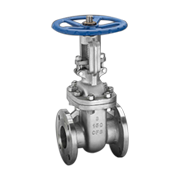
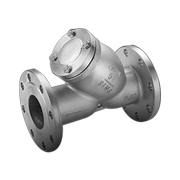
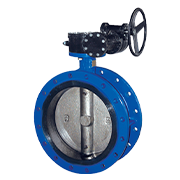
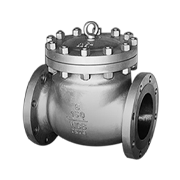
2. Material Selection Challenges
Selecting the right materials is another common sourcing concern. Stainless steel globe valves offer good corrosion resistance and are often recommended for aggressive fluid services. But within stainless steels, multiple grades exist, each with different performance characteristics. When searching for the right ss globe valve manufacturers, it’s important to ensure the quoted material grade matches your fluid’s corrosiveness and operating temperature.
Leaks often occur because of sealing surface wear, packing degradation, or improper material selection for the operating conditions. These problems can be exacerbated if the wrong grade of stainless steel is specified or if protective coatings are overlooked. In addition, internal components like seats and discs may require harder surfaces or specialized treatments to handle abrasive fluids and prevent premature wear. Regular inspection and maintenance are also recommended to identify early signs of wear or corrosion.
3. Inconsistent Connection Types and End Preparations
Buyers often underestimate how much variability exists in valve end connections. ANSI standards allow for various end types, including flanges, welding ends, and threaded ends. Each has unique dimensional and pressure-rating implications. Miscommunication about which end type is needed — or assumptions based on generic drawings — can cause valves that don’t fit your piping system without adapters or rework.
For example, a valve specified with threaded ends may not mate cleanly with flanged piping without additional hardware, which increases cost and installation time. Similarly, welding-end valves require skilled welders and proper preparation to avoid introducing leaks or stress points in the system. Clear specification sheets and firm drawings are essential to avoid mismatches in production orders.
4. Lead Times and Manufacturing Constraints
Lead times for ANSI globe valves can vary widely depending on size, material, testing requirements, and customization. Larger valves or those requiring specialized trims often take longer to produce. Unexpected delays can occur if detailed testing and inspection (like hydrostatic tests or seat tightness tests) require additional cycles to meet quality standards.
This is a particular concern for projects with tight timelines. Delays in valve delivery often cascade into downstream work, affecting the entire project schedule. Early engagement with your manufacturing contacts and clear communication of expected delivery windows can mitigate these risks.
5. Pricing vs. Long-Term Value
Users frequently focus on upfront pricing when sourcing valves, but this can cause issues later if cheaper valves require more maintenance or fail prematurely. Globe valves inherently have higher pressure drops compared to other valve types because the fluid changes direction inside the valve body — a feature that provides precise flow control at the cost of added resistance.
Investing in valves with appropriate pressure class, tighter tolerances, and reliable sealing surfaces can reduce operational issues and maintenance costs over time. This often means balancing initial cost with long-term reliability.
6. Quality Control and Testing Differences
Different manufacturers apply different quality control practices and may interpret ANSI standards with slight variations. Ensuring that vendors conduct thorough testing — including seat tightness and pressure testing — is critical. A valve that passes internal tests but fails under field conditions can cause warranty issues, downtime, and increased costs.
Working with suppliers who provide detailed test reports, inspection documentation, and traceability information helps buyers verify that the valves conform to the required ANSI specifications.
If you need help refining your valve specifications or want to discuss materials and testing practices that align with your system requirements, our team is ready to assist.